
Abstract:
A latest medical scientific research result reveals that just 20 minutes of light walking can have an immediate stimulating effect on human intestinal peristalsis and significantly increase its physiological activity in a short period of time. This discovery not only clarifies the immediate biological mechanism by which physical activity relieves constipation and improves digestive health, but also provides a simple and efficient scientific basis for daily intestinal health care and non-drug intervention.
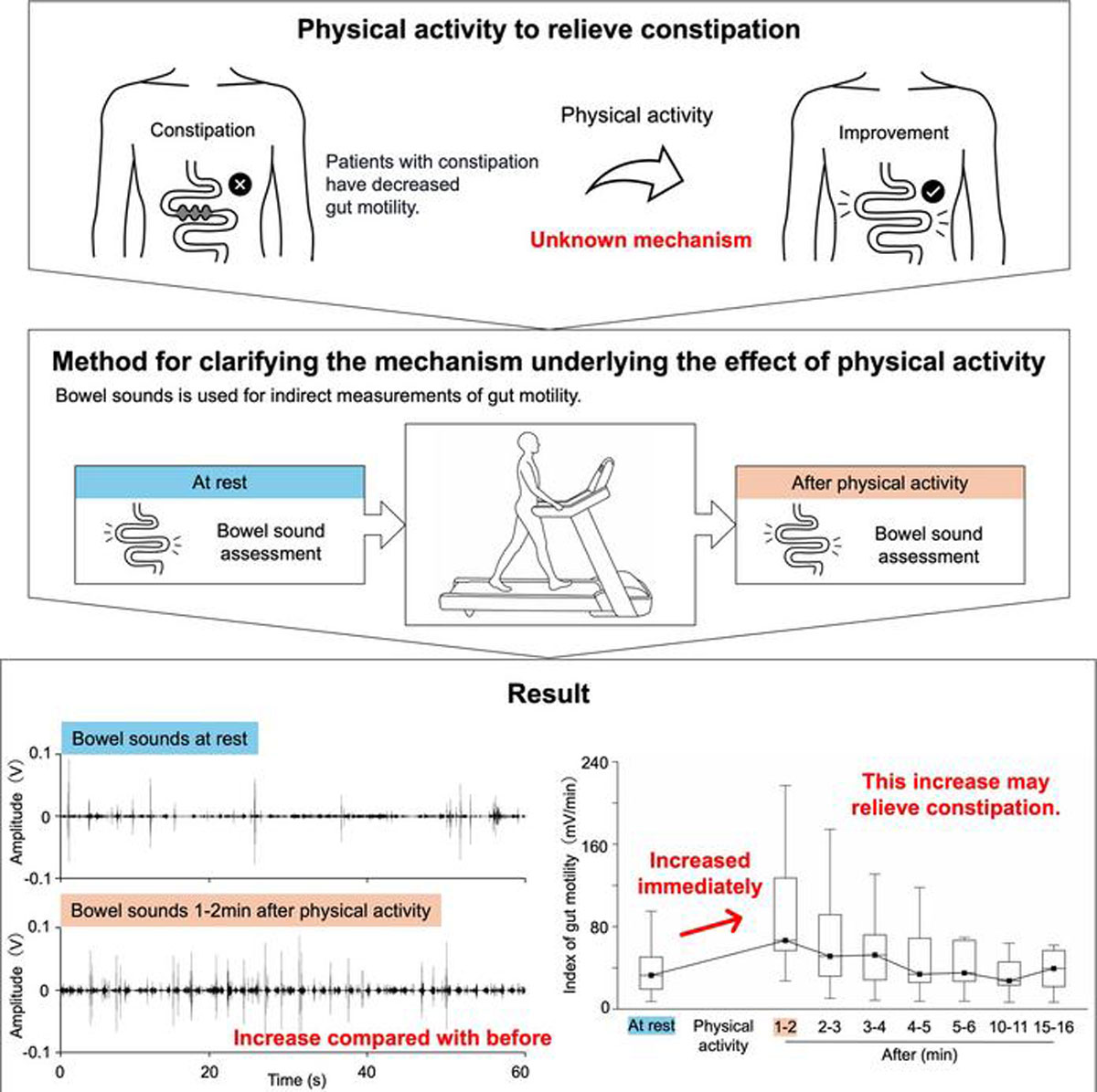
The medical community has long recognized that moderate exercise can help maintain intestinal health and relieve chronic constipation. However, most previous studies have focused on the long-term effects of long-term exercise habits on intestinal flora or overall digestive function. Little is known about the immediate effects of short-term mild exercise on intestinal physical peristalsis. In order to fill this scientific research gap, a research team from Fujita Health University in Japan conducted an innovative experiment aimed at exploring the immediate changes in intestinal activity after a short walk.
In this study published in Scientific Reports, researchers recruited 21 healthy adult subjects and used a non-invasive "Bowel Sounds" electronic auscultation and advanced signal analysis technology. Bowel sounds are the sounds produced when gas and liquid are pushed forward by muscle contraction in the intestines. They are a direct indicator of the intensity of intestinal peristalsis. The subjects first recorded baseline bowel sounds while lying down at rest, then walked on a treadmill at their own comfortable pace for 20 minutes, and immediately after the exercise, they lay down and received continuous bowel sound monitoring.
The experimental data showed a striking immediate change: within just 1 to 2 minutes after the end of the walk, the frequency and intensity of the subjects' bowel sounds increased significantly compared with baseline levels, almost twice as high as in the resting state. The researchers pointed out that although this violent dynamic peak will gradually level off within a few minutes, its extremely fast response speed confirms that slight body movement can instantly trigger the regulation of the autonomic nervous system or the reflex mechanism triggered by body swing, thereby strongly activating the contraction of intestinal smooth muscle.
Professor Yohei Otaka, the senior author of the study, said that this result shows that walking is not only a long-term beneficial health habit, but also can be used as a natural tool with immediate results to promote intestinal function and promote defecation. In addition, the non-invasive digital analysis method of bowel sounds verified in this study also provides a low-cost and convenient diagnostic and treatment method for future clinical evaluation of gastrointestinal motility disorders and monitoring of digestive system recovery.
Comments