
Abstract:
U.S. defense contractor Lockheed Martin recently announced more technical details about its "Vectis" autonomous combat system. This system is positioned as an artificial intelligence collaborative combat platform in future air combat. It aims to perform missions with manned fighters in high-threat environments and gradually become an important part of the next-generation air combat system.
According to Lockheed Martin's plan, Vectis is not a drone project in the traditional sense, but a highly autonomous digital combat architecture. The system can independently plan flight routes, evaluate tactical options and execute combat operations based on mission objectives, battlefield environment and real-time threat information, while maintaining coordination with manned aircraft and command systems.
The core advantage of Vectis is its open design concept, the company said. Unlike past solutions that relied on specific aircraft types and proprietary systems, Vectis is designed to be a universal architecture that can be integrated on different platforms. In the future, it can be applied to existing drones and can also be deployed on a new generation of collaborative combat aircraft. This modular design helps reduce subsequent upgrade costs and shorten the deployment cycle of new equipment.
In terms of combat mode, Vectis focuses on the development of the US Air Force's "cooperative combat aircraft" concept. On the future battlefield, a manned fighter will be able to command multiple autonomous drones at the same time. These drones can undertake high-risk tasks such as reconnaissance, electronic warfare, target search, decoy, and strike, thereby reducing the probability of pilots being directly exposed to dangerous environments.
Lockheed Martin emphasized that although the system has a high degree of autonomy, it will not completely escape human control. In practical applications, artificial intelligence is responsible for performing a large number of high-speed decision-making and task management tasks, while key operational decisions remain in the hands of human operators. This “human-in-the-loop” design is seen as an important way to balance efficiency and safety.
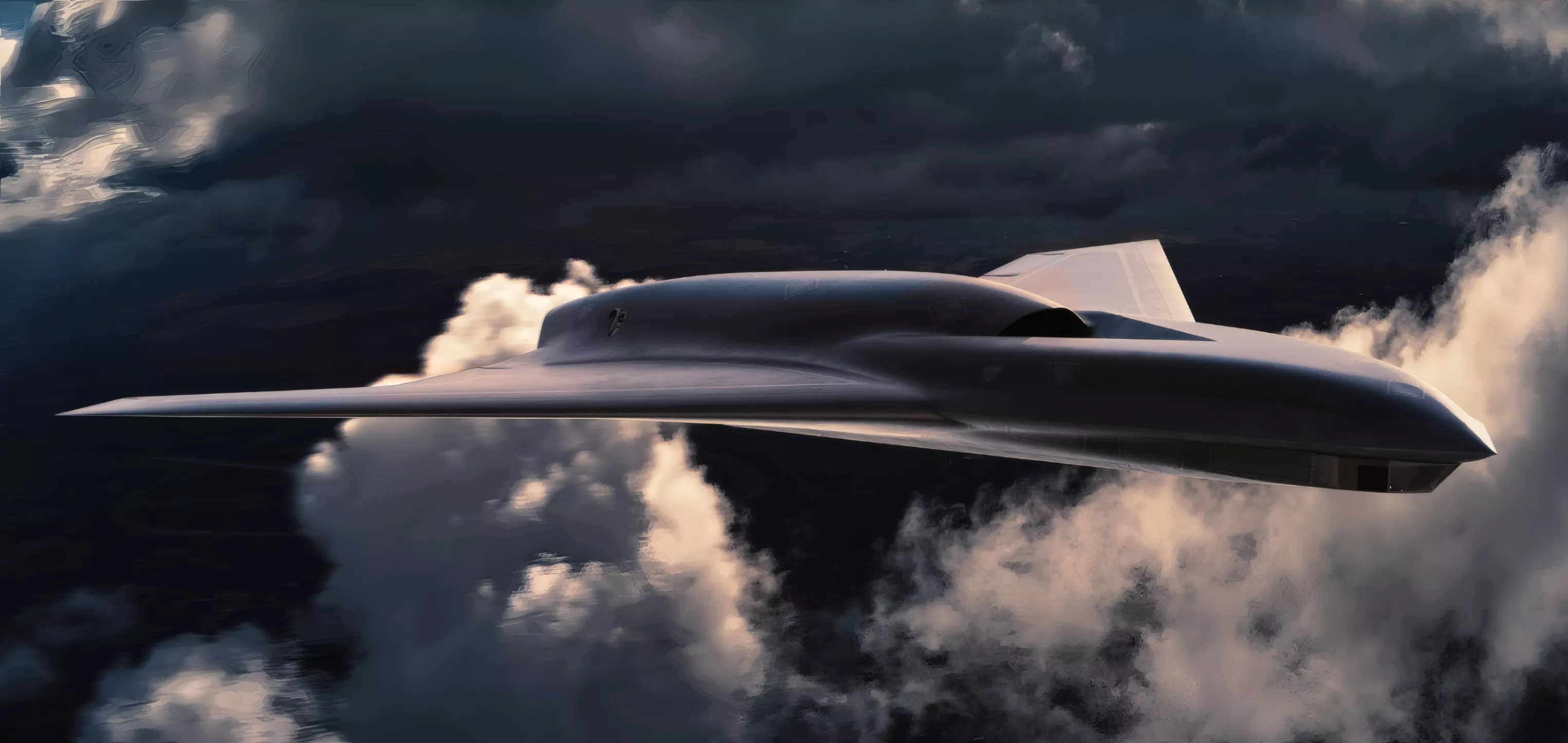
The company also revealed that Vectis has completed a large number of digital simulations and virtual tests. Through a high-fidelity simulation environment, the system has undergone training and verification in complex air combat scenarios, electronic jamming environments, and multi-platform collaborative combat missions. The development team believes that this digital development model can significantly shorten the development cycle of traditional military aviation projects.
With the rapid development of artificial intelligence technology, autonomous combat systems are becoming a key area of concern for the world's major military powers. The U.S. military has continued to promote the "Cooperative Combat Aircraft" program in recent years, hoping to enhance combat capabilities through low-cost, high-volume autonomous platforms and improve the survivability of manned combat aircraft in future high-intensity conflicts.
For Lockheed Martin, Vectis is not only a new artificial intelligence project, but also represents an important transformation direction for future air combat models. The company believes that competitive advantage on the future battlefield will increasingly depend on software capabilities, autonomous decision-making systems, and the level of human-machine collaboration, rather than just on the performance parameters of a single platform.
Currently, Vectis is still in the continuous development and verification stage, but as the U.S. military’s demand for autonomous combat capabilities continues to grow, the system is expected to participate in more real-machine tests in the next few years and gradually be integrated into the next-generation air combat system. By then, artificial intelligence-driven autonomous flight platforms may move from experimental concepts to real battlefields and become an important part of the future air force.
Comments