
Abstract:
Microsoft is secretly testing a new artificial intelligence application for Windows 11, which is internally codenamed "Project Pantheon." Unlike the Recall function, which has sparked widespread discussion before, this new tool does not automatically record all activities on the user's screen, but only saves content actively selected by the user. Therefore, it is regarded by the outside world as a new "memory system" that pays more attention to privacy.
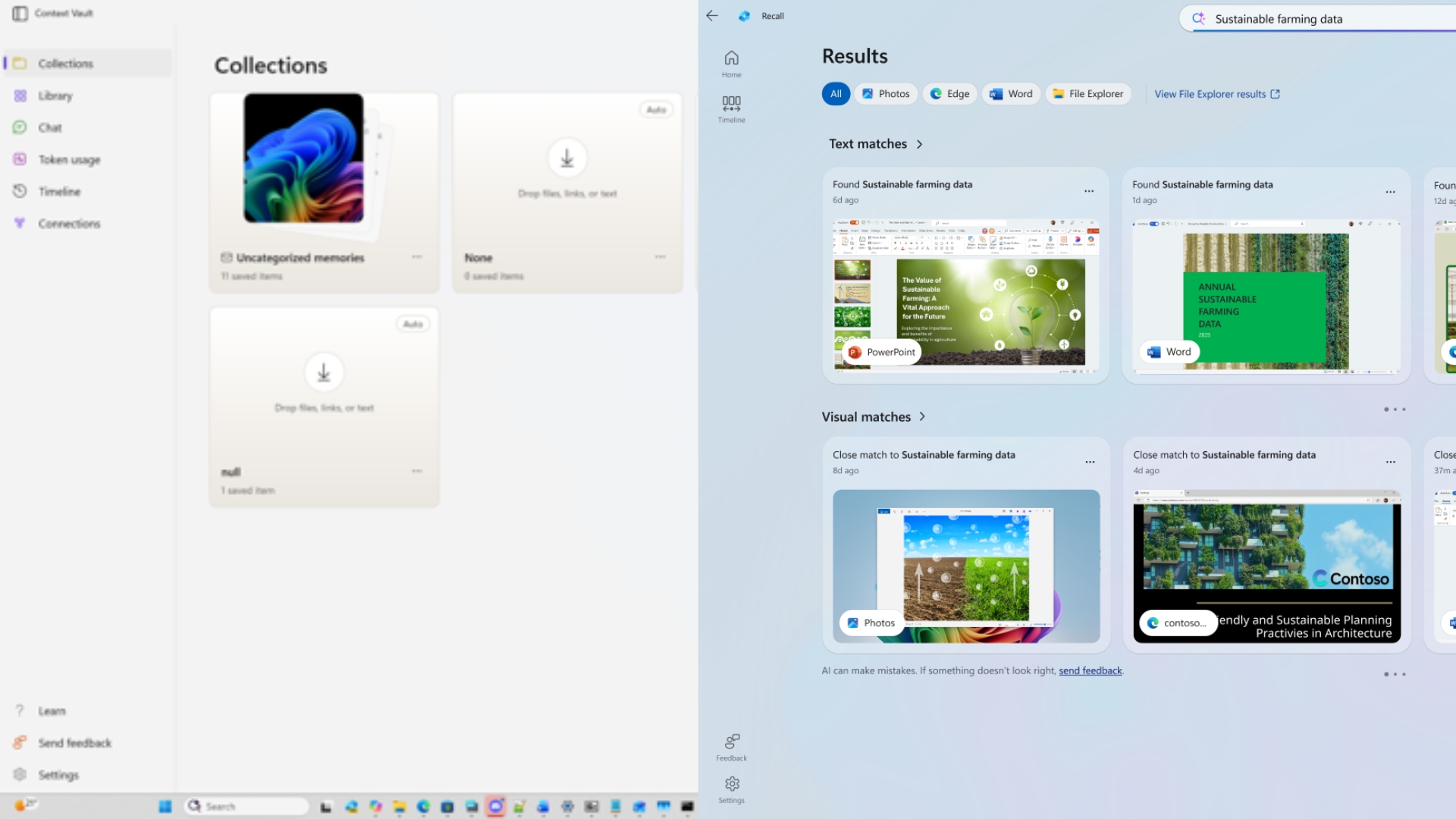
According to test information, Project Pantheon currently appears under the name "Context Vault", and also involves multiple internal names such as "Context IO" and "Projects". Although Microsoft has not officially announced the project, related applications have been tested through unpublicized Microsoft store pages and have been discovered and experienced by some users.
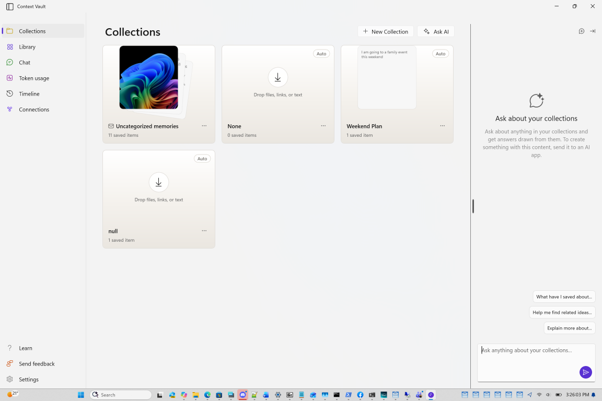
From a functional perspective, Context Vault is more like a personal digital memory bank. Users can actively save web pages, files, screenshots, copied text content, and audio and video materials and organize these contents into different collections. Subsequently, users can search, ask questions and summarize these materials through AI, thereby quickly retrieving previously saved information.
The main interface of the application includes multiple sections such as collections, database, chat, timeline, token usage, and external connections. The system not only supports users to manually create categories, but also uses artificial intelligence to automatically generate content collections. However, the test version is still in its early stages, and some of the automatically generated category names even have obvious imperfections such as "None" and "null".
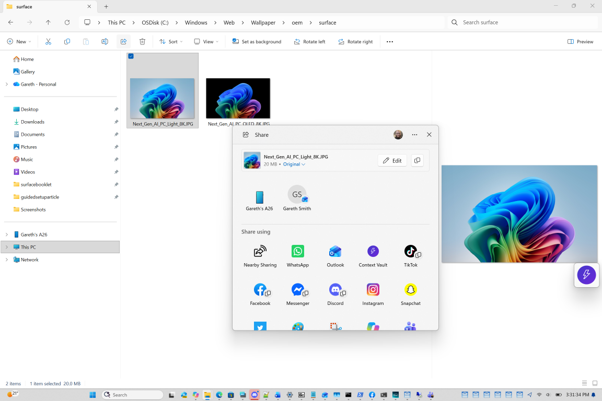
Unlike traditional note-taking applications, Project Pantheon is deeply integrated into the Windows 11 system. Users don't need to specifically open the app to save content. Content can be saved directly to the memory bank through browser extensions, file explorers, Windows sharing menus, clipboards, screenshot tools, and some compatible apps.
In the sharing menu of the file explorer, Context Vault can already appear as a sharing target like WhatsApp, Outlook and other applications. Users can save pictures, documents and other data to their own AI memory with just a few clicks.
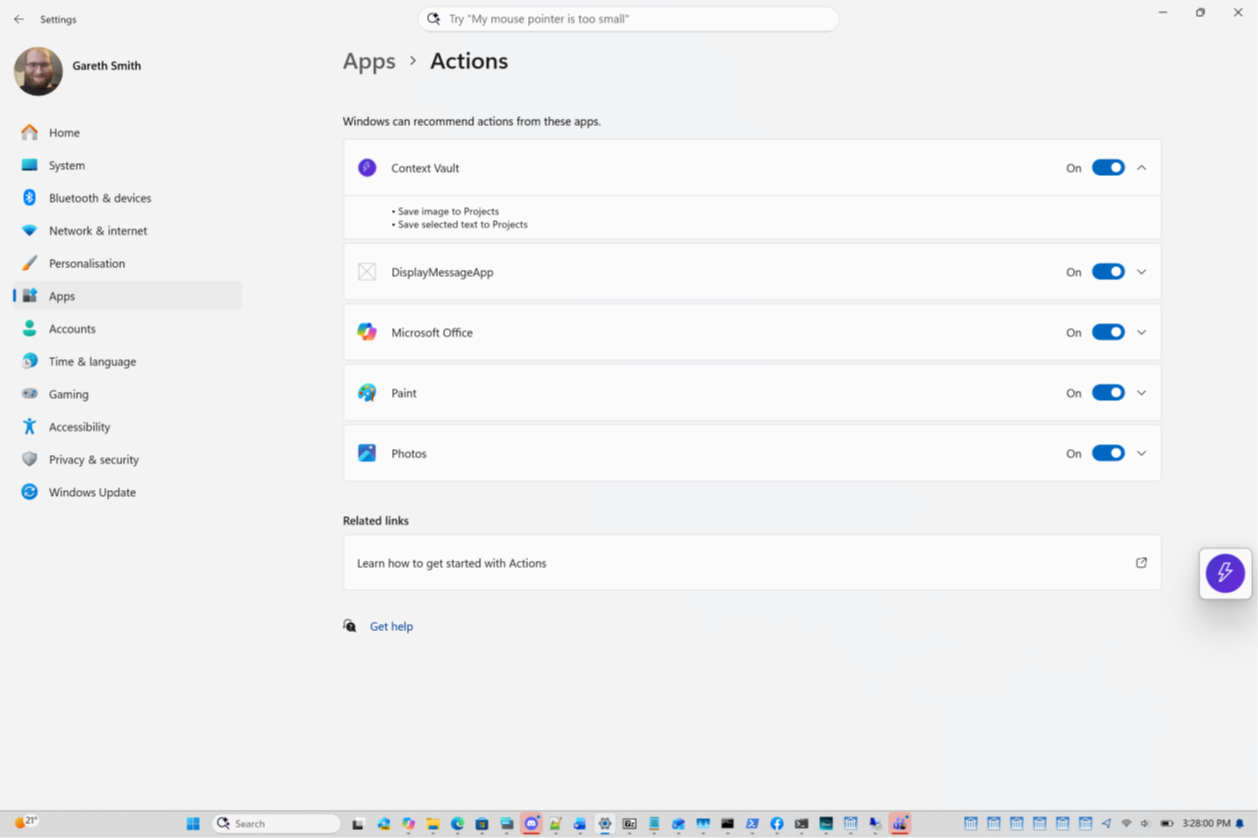
Microsoft has also integrated Windows 11’s “Click to Do” function into the project. In the system settings, the application has registered operation options such as "Save images to Projects" and "Save selected text to Projects". These features still use the "Projects" name from the project's earlier days, further indicating that the application is still in the development and testing phase.
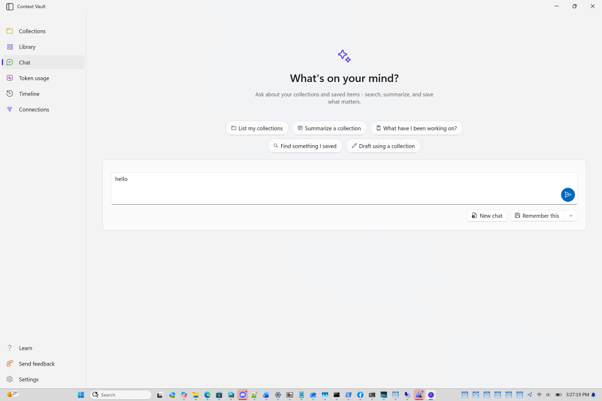
Another feature worthy of attention is the open AI ecological capability. Project Pantheon can not only manage locally saved information, but also share relevant contextual content to third-party AI tools such as Claude and Cursor through the MCP server, allowing different AI services to access materials authorized by users and work together.
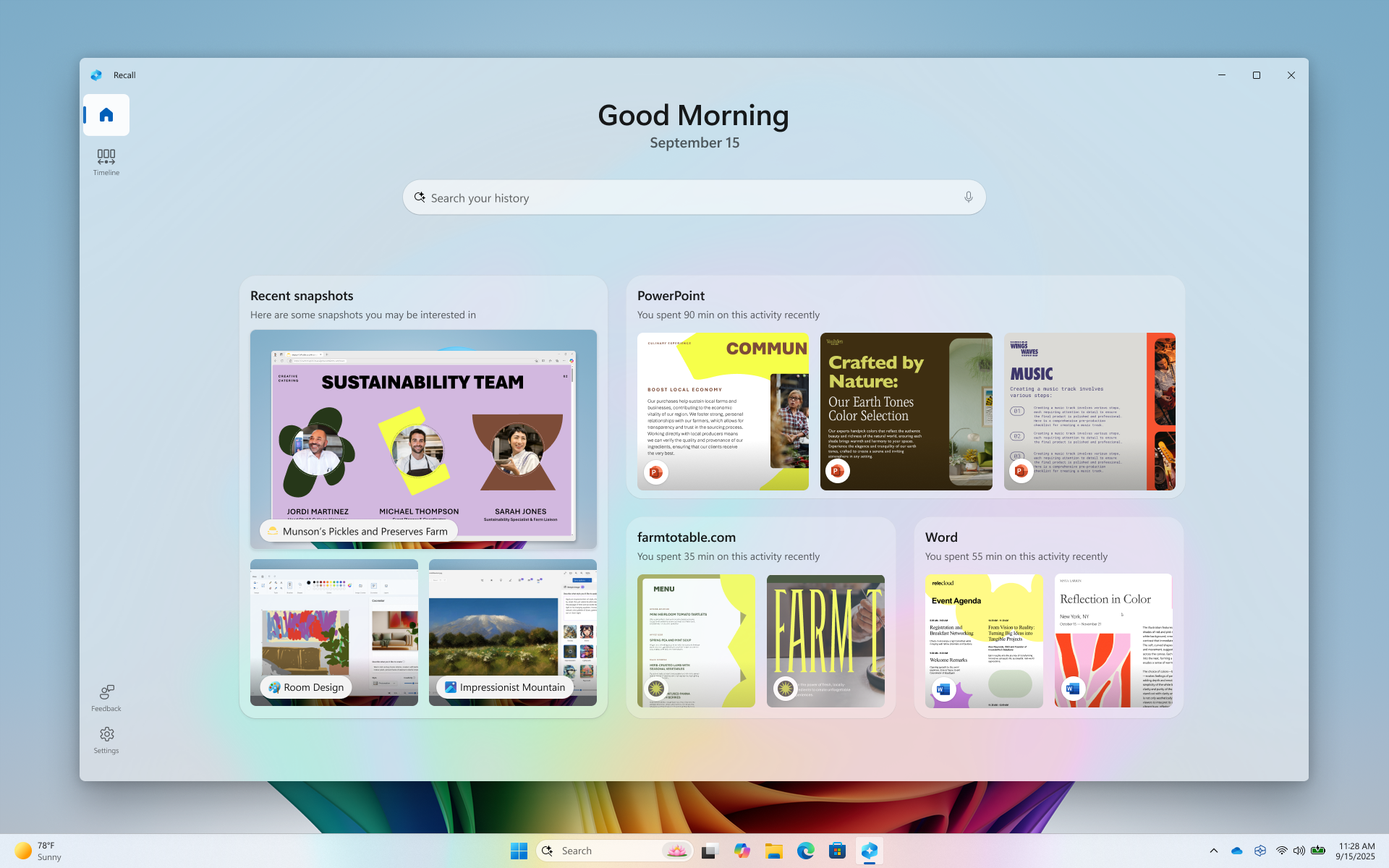
The report pointed out that if you use the simplest words to describe Project Pantheon, it is more like a "second brain." Unlike Recall, which automatically builds a complete history by continuously taking screenshots, Pantheon emphasizes that users actively decide what information to save, and then uses artificial intelligence to help organize, retrieve and understand the content.
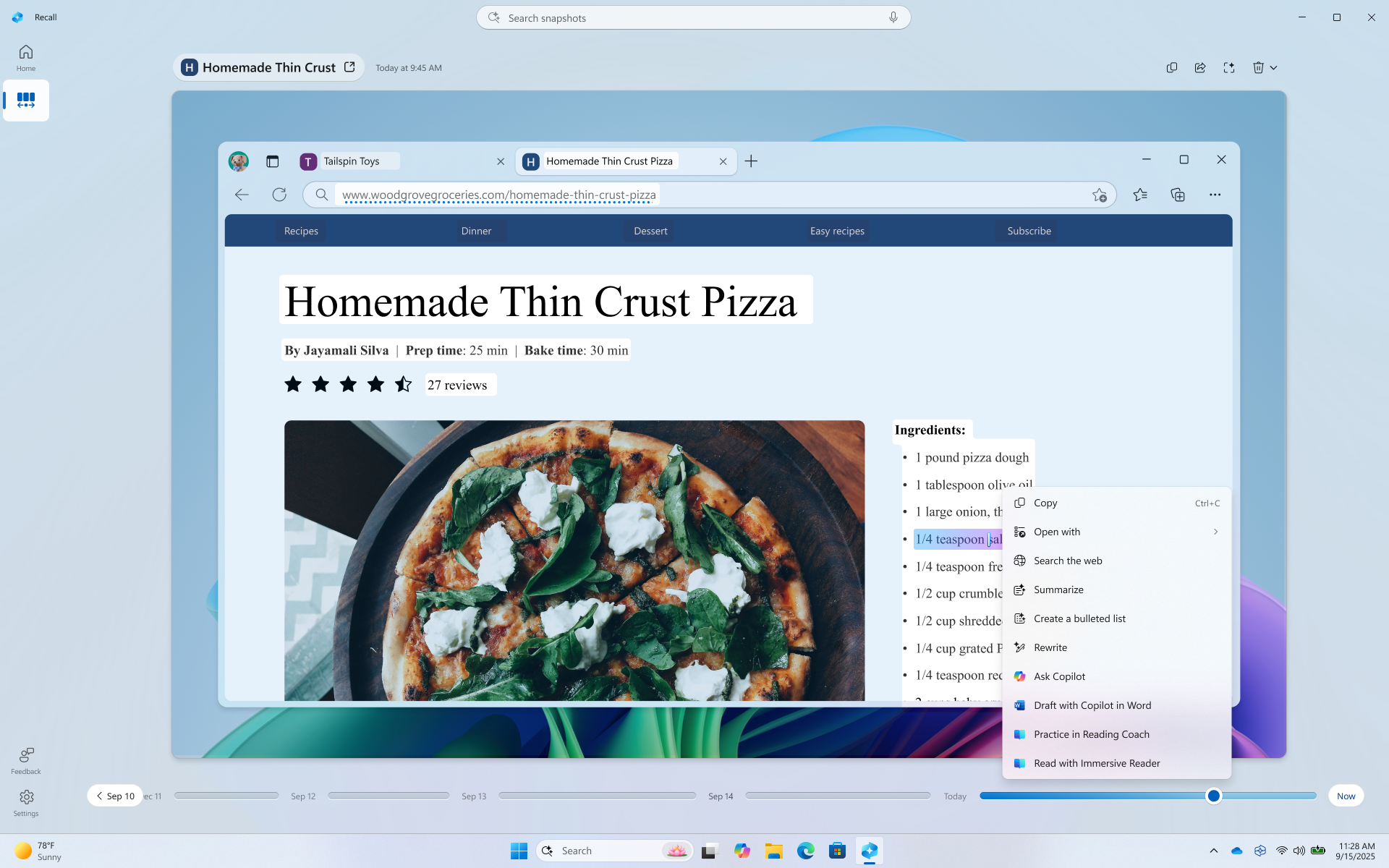
At present, Microsoft has not officially announced the release time, business plan or final product name of Project Pantheon. However, judging from the exposed functions, the company seems to be exploring an AI information management solution with more privacy control capabilities than Recall, hoping to help users build a personal knowledge base while avoiding the controversy caused by continuous screen recording.
Comments