
Abstract:
As one of the most iconic keys on the Windows system, the Windows key on the keyboard has been responsible for opening the Start menu for decades. However, as Microsoft's new generation search experience is about to land on Windows 11, this button that users have long been accustomed to may have a new mission in the future.
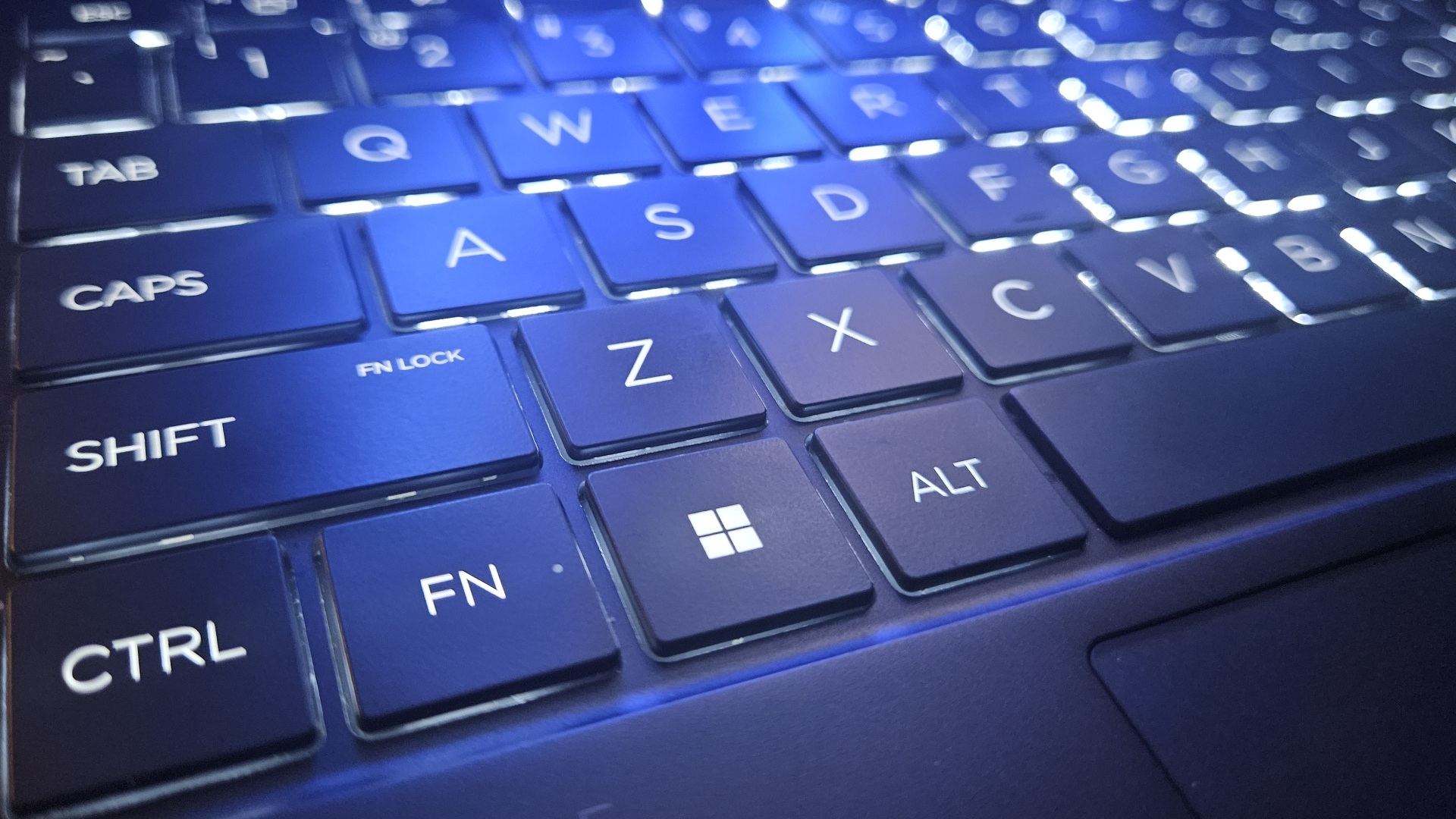
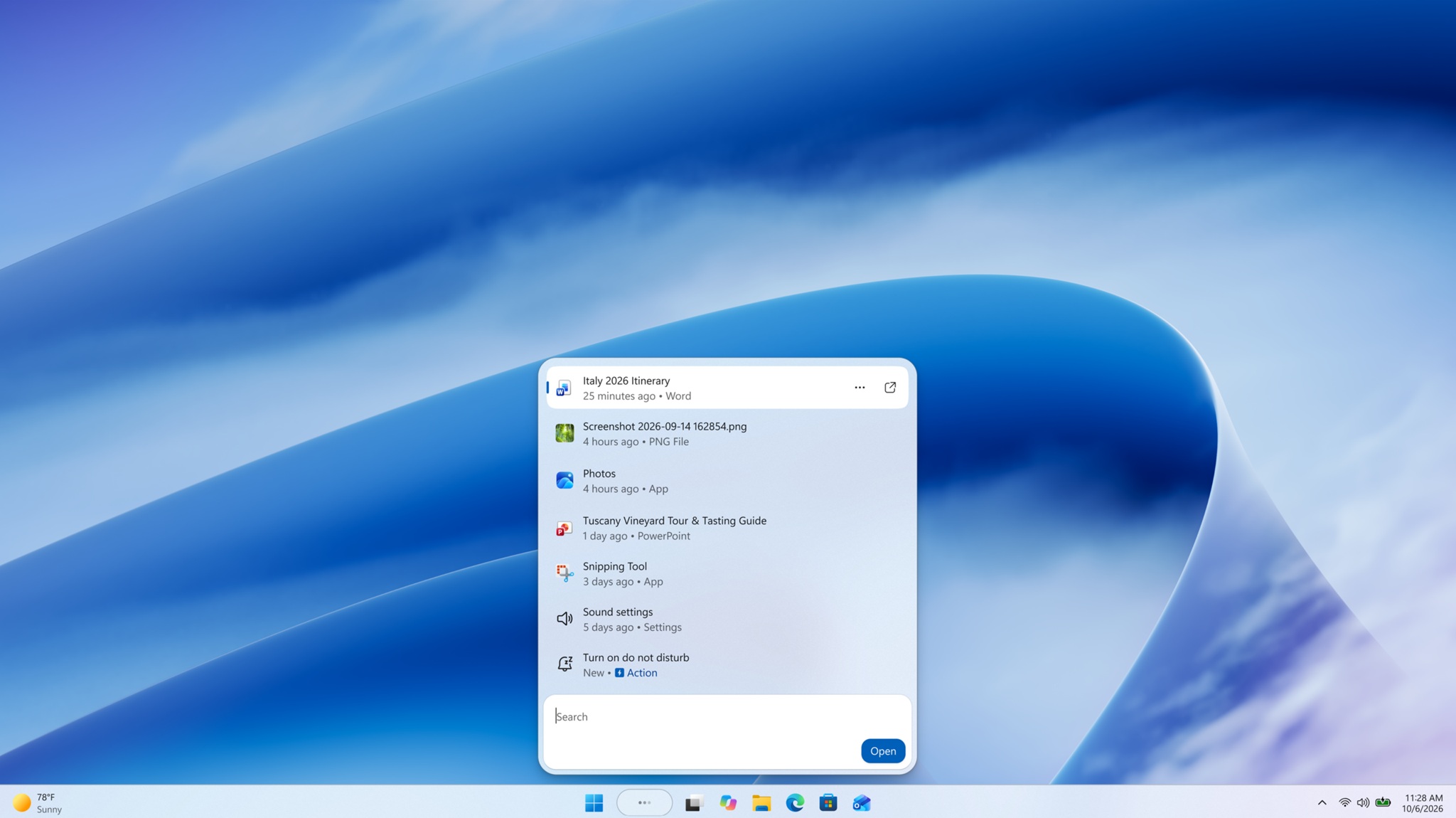
According to information recently revealed by Microsoft, the company is developing a new Windows search interface. Compared with the search function in the current system, the new interface adopts a completely redesigned architecture, which not only has a new visual style, but also provides richer functions than traditional search.
Judging from the Windows preview version, the new search interface currently exists independently of the Start menu. When a user opens the Start menu and enters a keyword, the system will still call the old version of the search function, which means that there are actually two search interfaces in Windows 11 that perform similar tasks.
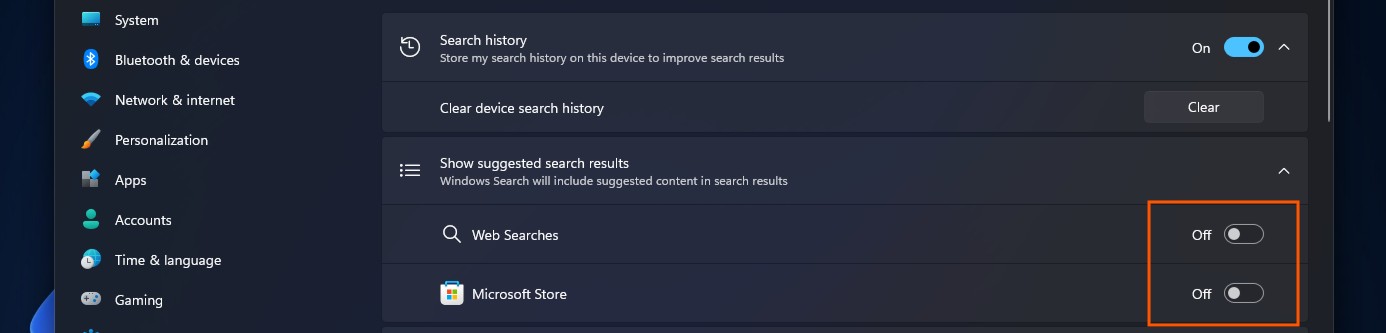
The new search system created by Microsoft not only allows users to remove Bing web search results, but also introduces a new feature called "Actions". With this feature, users can directly complete some system operations without entering the settings page, such as turning on or off common functions such as Bluetooth.
Microsoft has hinted that it will integrate these two search experiences in the future. However, because the design language of the new search interface is significantly different from the existing Start menu, with its overall height smaller and different interaction logic, many observers believe that Microsoft may eventually need to redesign the Start menu itself to achieve a more natural transition.
As the search function continues to expand, a Windows Insider test user recently made suggestions to Microsoft on the social platform X, hoping that the company can further strengthen the role of the Windows key. For example, just pressing the Windows key can directly launch the new search interface, instead of using the Win+S key combination. In addition, users also suggested that the search function can perform more immediate actions, such as sending an email directly without opening Outlook.
Surprisingly, Tally Rose, Microsoft's head of Windows Shell experience, personally responded to this suggestion. She said that after Microsoft integrates the new search experience into the Start menu, the company will re-evaluate the most appropriate way for the Windows key to behave. However, she also emphasized that Microsoft must seriously consider the "muscle memory" formed by users over time, because a large number of Windows users are accustomed to opening the Start menu through this button.
As for the functions proposed by users such as sending emails directly, Ross also revealed that this is indeed one of the potential "operational" functions that Microsoft is studying, and it does not rule out adding a new version of the search system in the future.
This statement triggered widespread speculation from the outside world. Since Microsoft has not clearly stated what new responsibilities the Windows key will assume in the future, there are still many possibilities as to whether one of the most classic keys in Windows 11 will receive a new functional positioning.
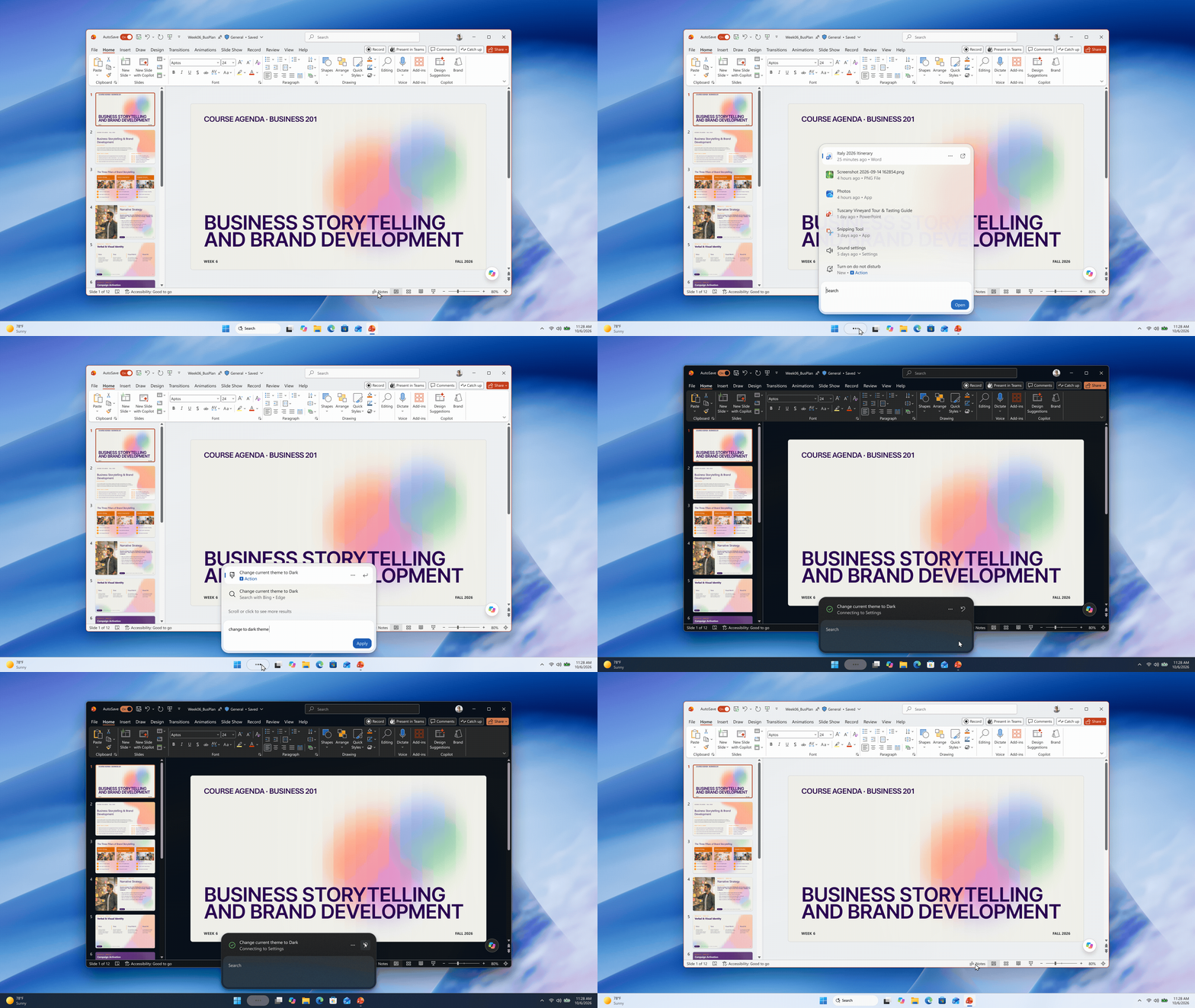
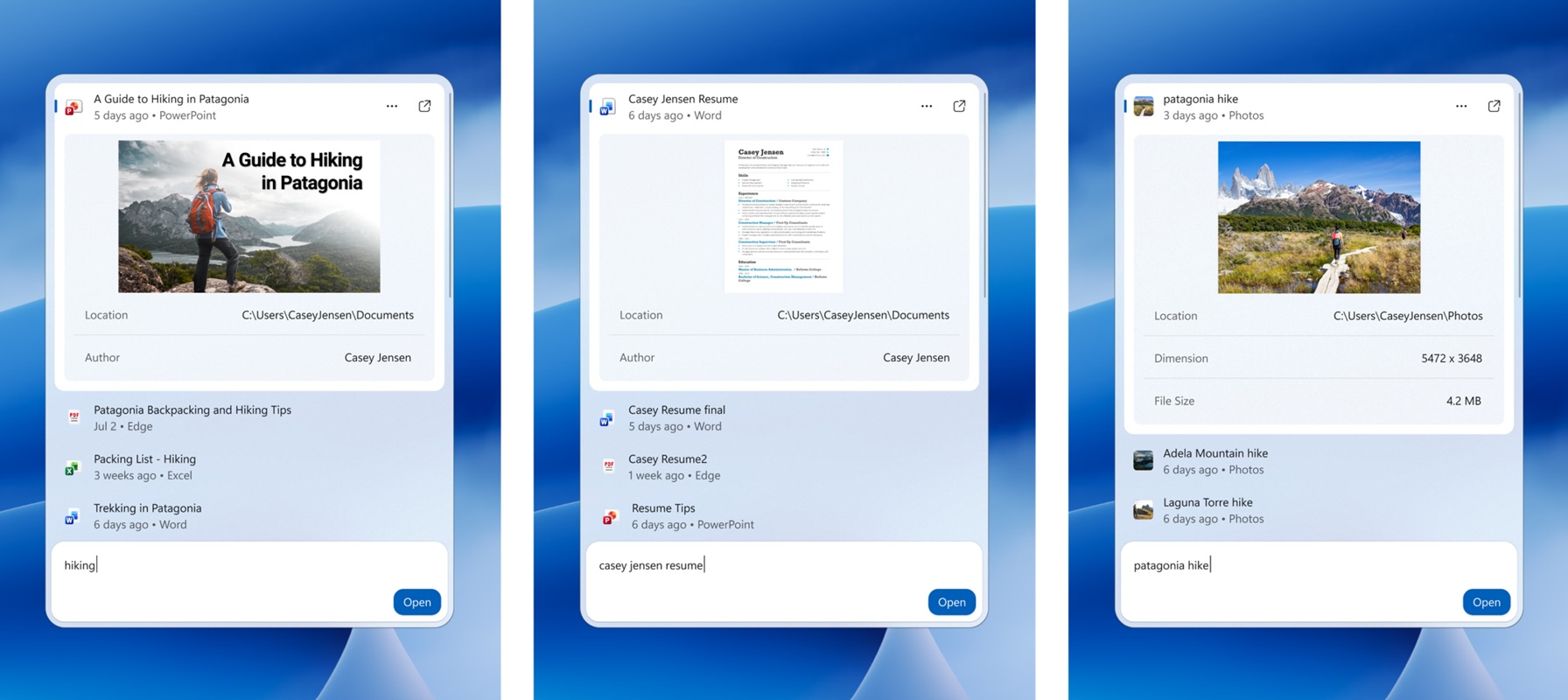
Analysts believe that if the new version of search gradually evolves into an intelligent portal that integrates search, system control and quick operations, then the Windows key may no longer be just the start button of the start menu in the future, but will become an important portal to connect search, system settings and artificial intelligence functions.
However, for Microsoft, no matter how it adjusts the Windows key function, it must face a real problem: hundreds of millions of Windows users around the world have formed deep-rooted usage habits over the past three decades. Any changes that affect the way the Windows key behaves may have a significant impact on users' daily operations.

Therefore, judging from the current signals released by Microsoft management, although the company is exploring a new positioning of the Windows key, it will obviously not easily break the operating habits that users have formed in the short term.
Comments