
Abstract:
Microsoft is accelerating the pace of revitalizing the Windows native application ecosystem and launching the most important update in recent years to address the missing WinUI features and performance issues that have long plagued developers. With the release of the latest Windows App SDK 2.5 Experimental version, WinUI not only adds table and chart controls that are highly requested by developers, but also begins to solve the problem that causes the memory usage of Windows 11 applications to continue to grow.
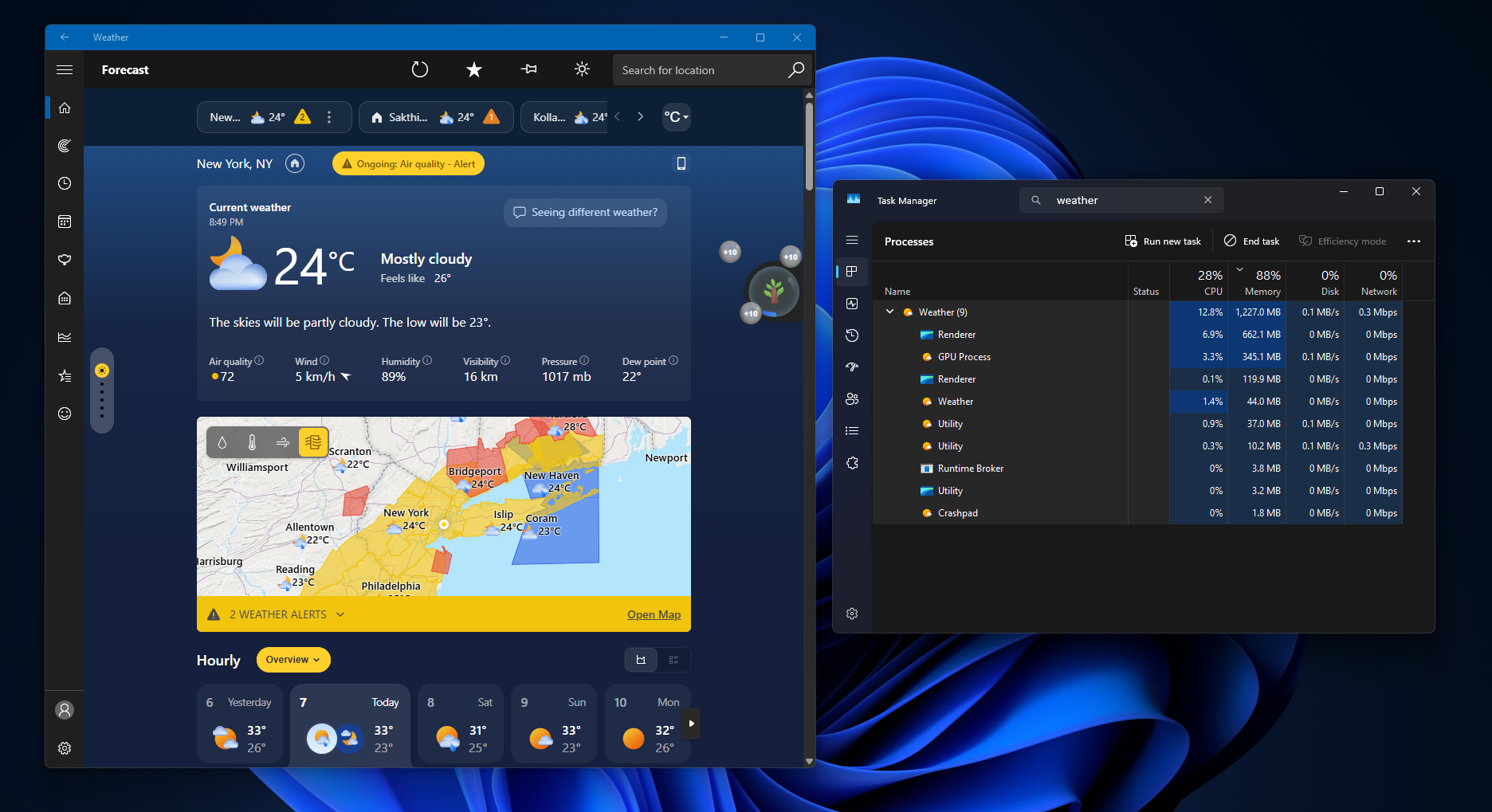
This update was released on September 29, introducing native TableView (table view) and Chart (chart) controls to WinUI 3 for the first time. These are the most basic and commonly used interface components for enterprise applications, data analysis tools, and various types of information management software. Previously, if developers wanted to implement related functions in WinUI applications, they often needed to rely on third-party libraries or community projects, and Microsoft officials have been unable to provide native support.
Microsoft admitted during the Build 2026 Developer Conference that WinUI still has a clear "framework gap." Although it is positioned as the core native development framework for Windows 11 in the future, some non-native frameworks surpass WinUI in terms of feature richness. The lack of basic components such as tables and charts also makes many developers doubt Microsoft's determination to promote the development of WinUI.
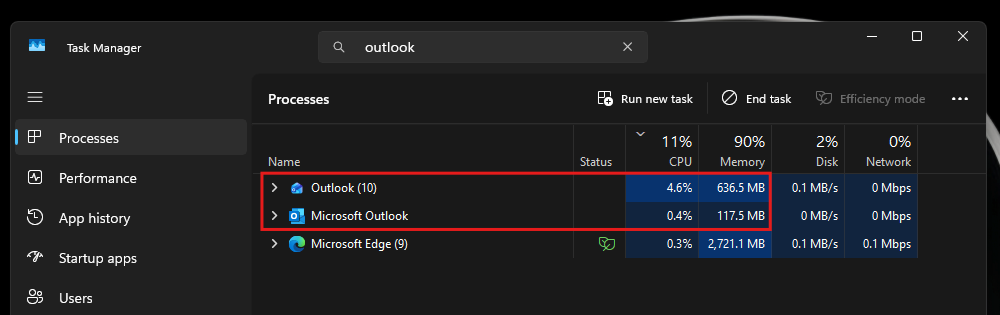
In fact, WinUI was once regarded as an important strategic project in the Windows 11 era. However, in the past few years, as more and more applications turned to Web technology, the outside world once believed that the framework had gradually lost Microsoft's internal priority. A large number of applications, including the new version of Outlook, Teams and other Microsoft flagship products, are built using web technology, and system components such as weather applications and start menus also use a large number of web components.
In this context, many developers believe that while Microsoft is promoting its native application strategy, it continues to migrate its own products to web architecture, which calls into question the development prospects of WinUI.
Microsoft Windows UI team member Chris Anderson promised during Build 2026 that the DataGrid and Charting controls are under development and will be released in a relatively short time in the future. With the release of this update, Microsoft has fulfilled this promise.
In addition to adding new controls, performance optimization work has attracted more attention. Microsoft said that this version contains important fixes for WinUI memory growth issues. Previously, applications built by WinUI were often criticized for taking up too much memory, and some Windows 11 native applications even continued to consume more memory as they were used over time.
Microsoft has repeatedly acknowledged the need to improve WinUI's memory management capabilities recently and listed it as one of the priorities for framework development. The company plans to migrate more Windows system components to WinUI in the future, including the core interface including the new start menu, so performance and resource usage issues must be resolved first.
Industry insiders believe that this update not only means that WinUI has finally completed some basic capabilities that have been missing for a long time, but also reflects that Microsoft is reinvesting resources to strengthen the native application development ecosystem. After years of Web application expansion, Microsoft is trying to re-attract developers back to the Windows native application platform by improving WinUI functions, optimizing performance, and making the development process public.
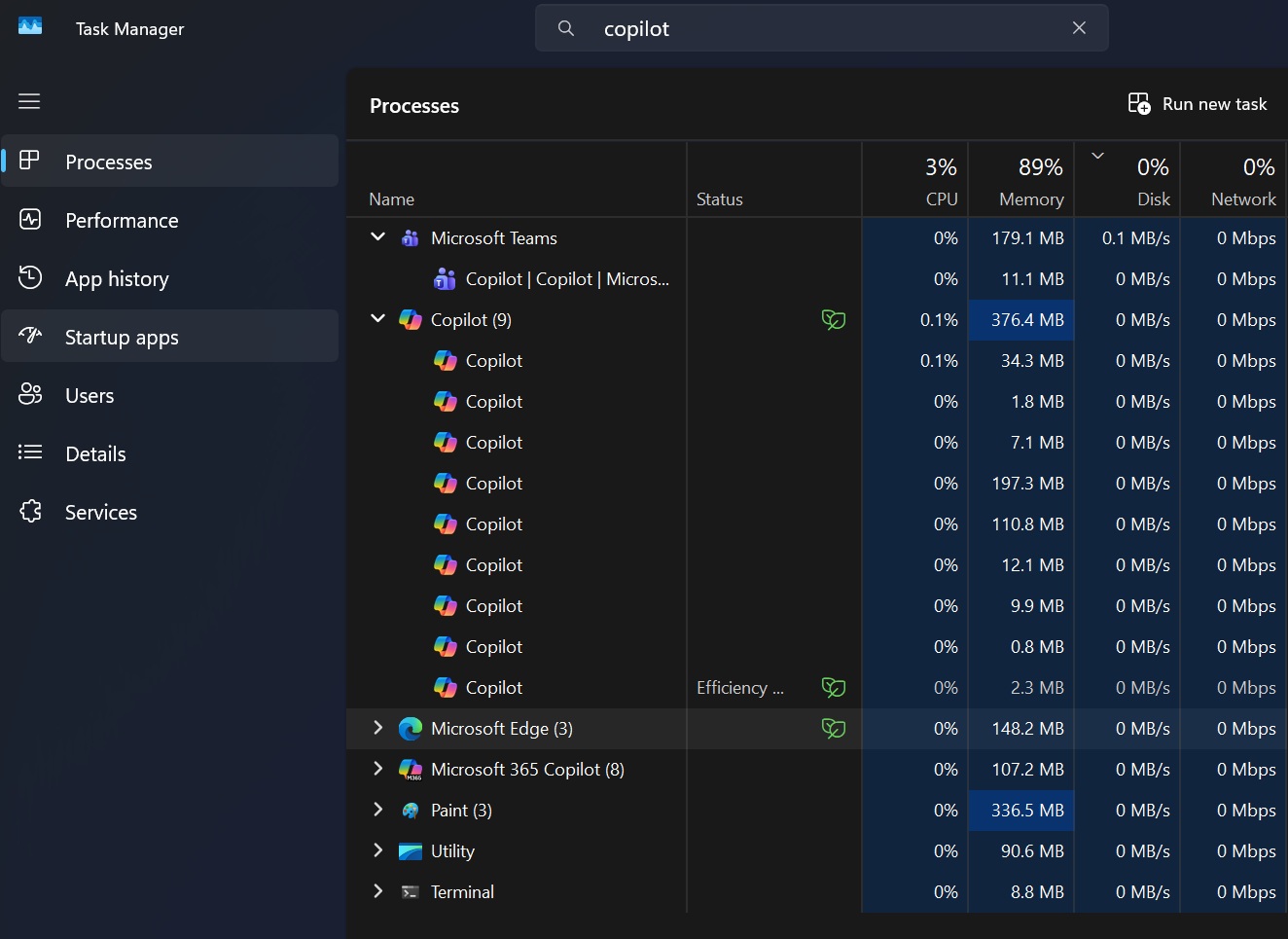
For Windows users, these changes will not immediately bring significant interface changes in the short term, but in the future, if more system components and applications of Windows 11 can be built on the optimized WinUI, it is expected to obtain lower memory usage, better response speed, and a more consistent native experience.
Comments