
Abstract:
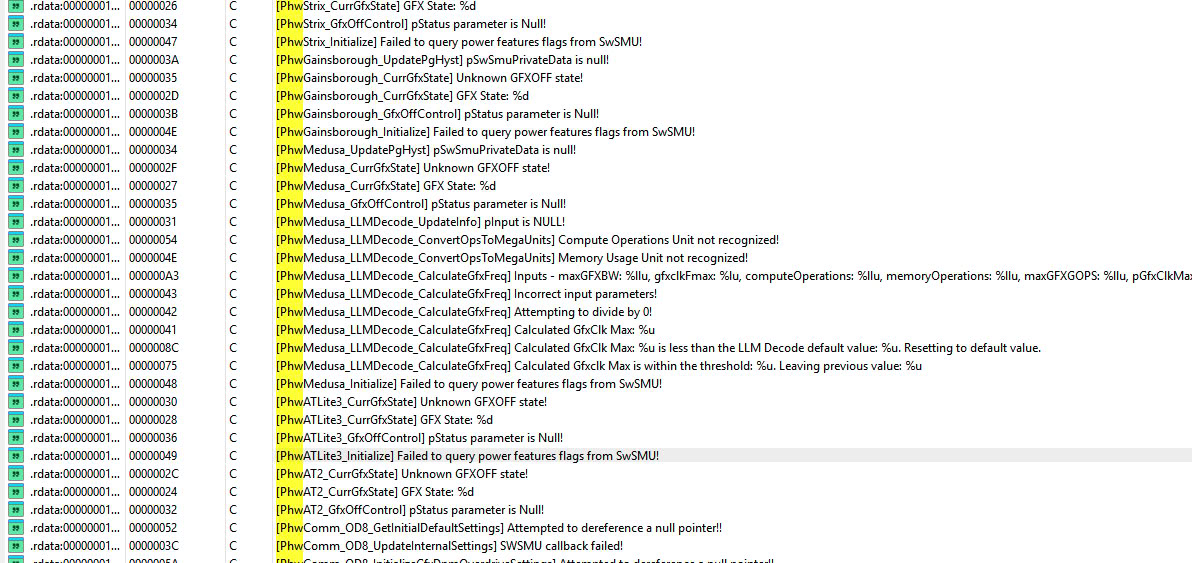
A previously undisclosed AMD APU codenamed "Gainsborough" recently appeared in Radeon Adrenalin 26.9.2 driver-related information, triggering speculation that it may become Valve's next-generation Steam Deck processor. This clue was originally discovered by an AnandTech forum user; AMD's official driver instructions do not mention Gainsborough, so there is currently no confirmation from AMD or Valve about this chip and its purpose.
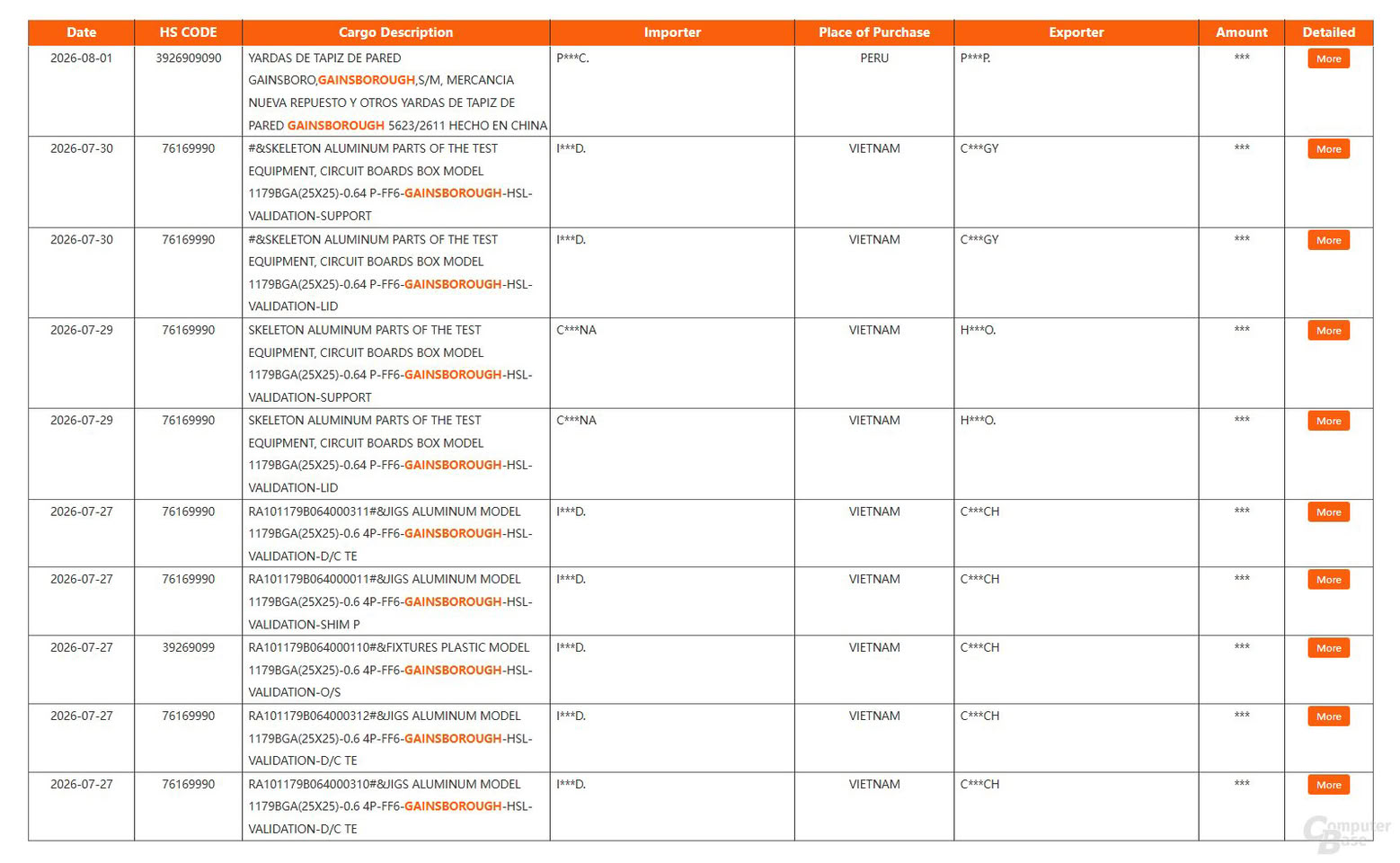
In addition to the driver information, relevant customs records are said to show that several test equipment marked Gainsborough were shipped from Asia at the end of July. Records describe it as using an FF6 BGA package with a total of 1,179 contacts. The form factor is reportedly close to the package of the custom APU used in current Steam Deck OLEDs. However, packaging similarities and sample shipments can only provide indirect clues. They cannot prove that the chip customer is Valve, nor can they confirm that it will eventually enter mass production equipment.
Hardware whistleblower Moore’s Law Is Dead said that Gainsborough may be a semi-custom processor developed by the AMD S3 team and uses TSMC’s N3P process. Rumored configurations range from 4 to 8 Zen 6c or other low-power CPU cores, and 12 to 24 sets of RDNA 5 computing units. This range is quite wide and may reflect incomplete information or may involve different versions; there is currently no confirmed clock frequency, power consumption, memory bandwidth or measured performance data. In particular, 24 sets of computing units means stronger graphics capabilities, which will also put higher requirements on memory bandwidth, heat dissipation and handheld power consumption management.
The name "Gainsborough" has also been seen as a possible piece of evidence related to the Steam Deck. The custom AMD processor of the current Steam Deck is often called Aerith, and "Aerith Gainsborough" is the full name of the character in Final Fantasy VII. The naming echo between the two is quite eye-catching, but this is still just speculation and cannot be regarded as evidence that the chip belongs to Valve.
Valve has previously stated that it will not launch handheld console replacement products on an annual basis, but hopes to wait until there is a significant generational improvement in performance without sacrificing battery life before releasing a true successor to the Steam Deck. Market rumors point to the end of 2027 or 2028, but Valve has not announced the official launch window. Even if Gainsborough is indeed a semi-custom chip for handheld consoles, it may still be in the testing stage and may not even be used in Steam Deck 2; all that can be confirmed at this stage is that relevant code names and hardware data clues have emerged.
Comments