
Abstract:
Microsoft confirmed that it will shut down some online service functions in Windows Media Player in November this year. This decades-old media playback component will further fade out of the Windows ecosystem, and users will be guided to use the new version of the Windows Media Player application.
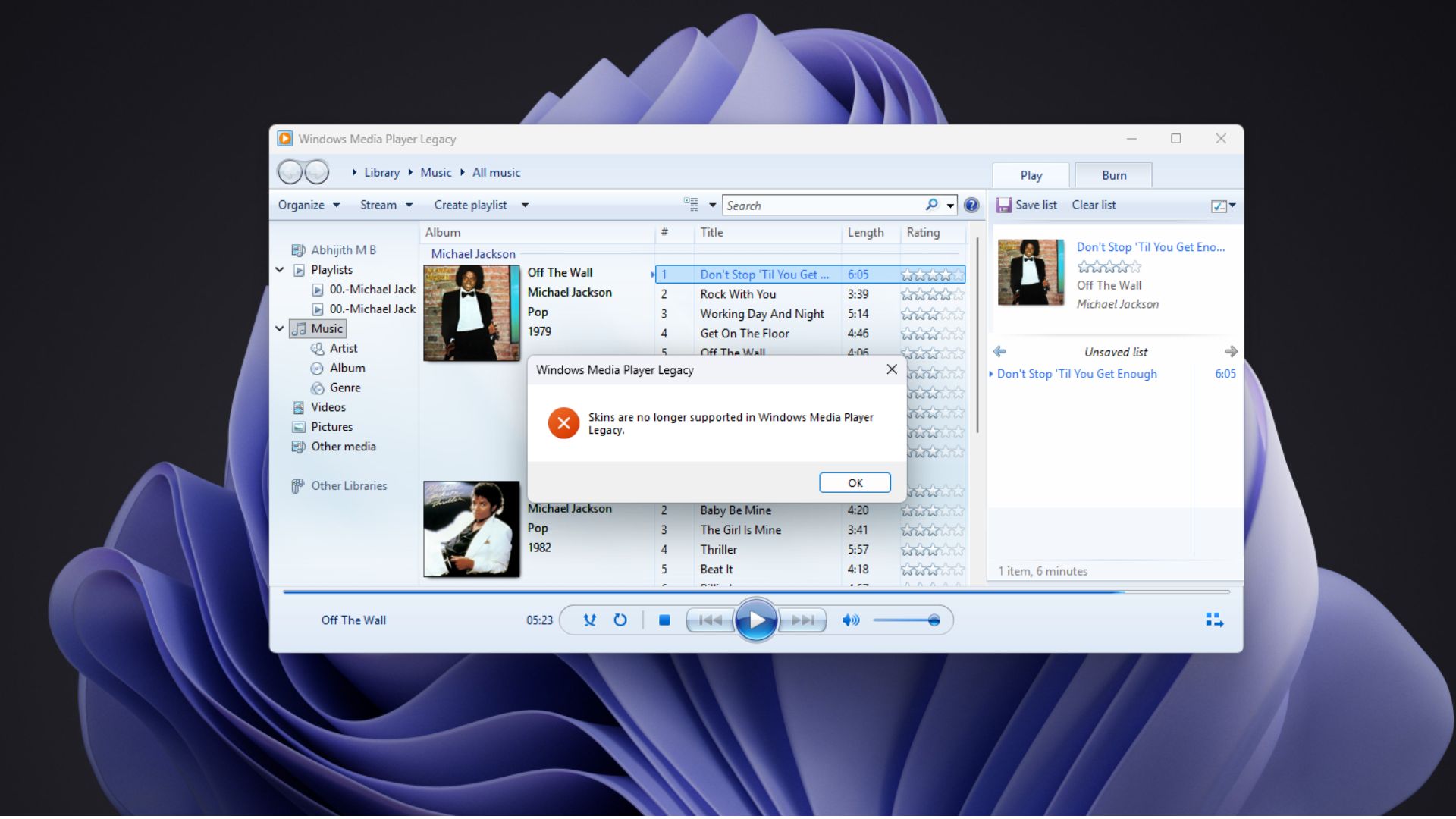
According to relevant instructions released by Microsoft, the main impact is the media information service provided by Windows Media Player which relies on online databases. These services have long been able to automatically download album art, artist information, genre classifications and other media metadata for music and video files, helping users build more complete local media libraries.
As related services stop running, Windows Media Player will no longer be able to obtain new media metadata content from Microsoft servers. Users can still access and use media files already stored in local devices and previously downloaded related information, but new content in the future will no longer receive online supplements and updates.
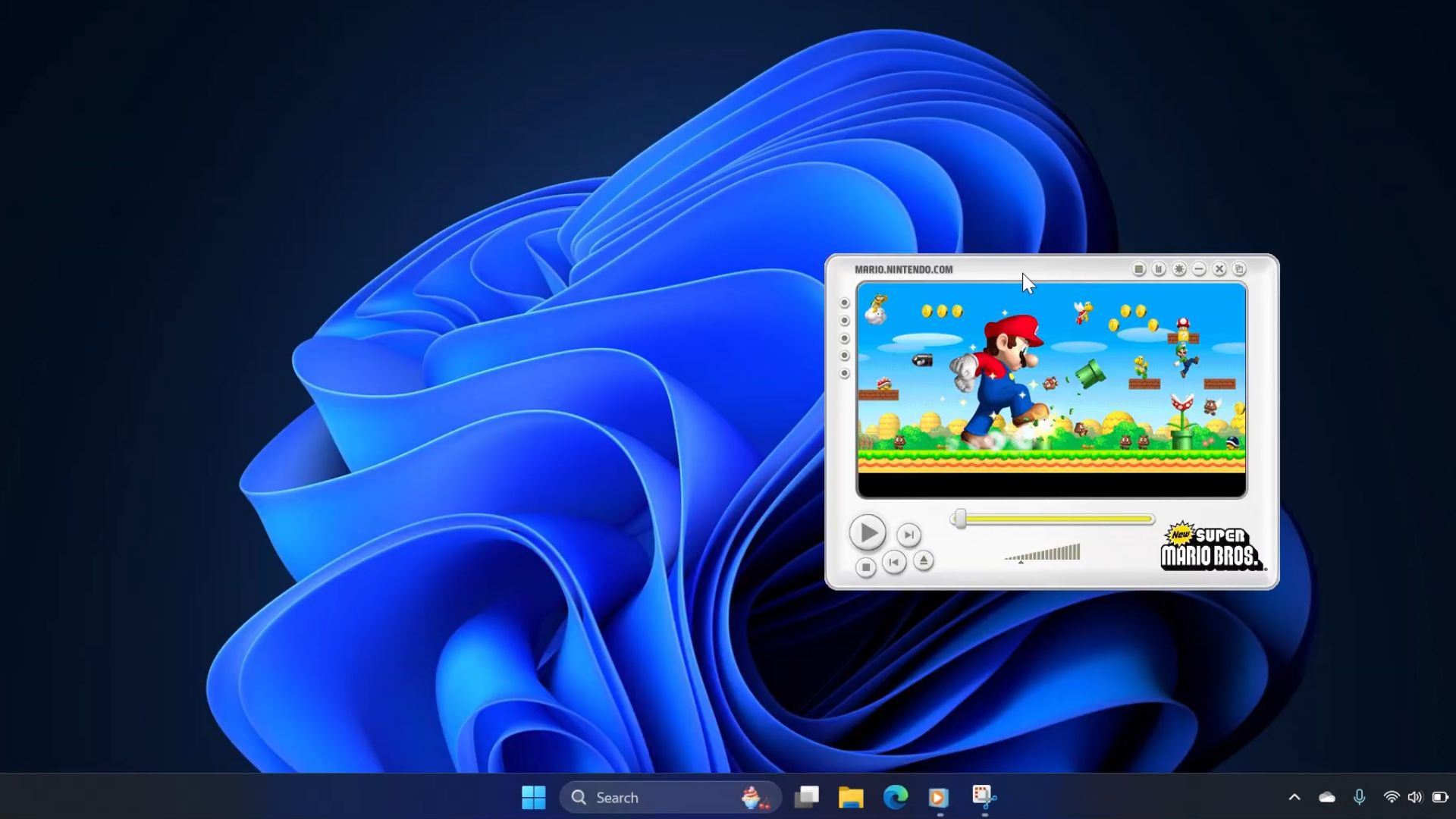
Microsoft said this adjustment is part of a push to modernize the media experience. In recent years, the company has continued to invest resources in new versions of Windows Media Player and other modern media applications, while the traditional Windows Media Player has gradually entered the maintenance stage. The new version of the application has become one of the default media players in Windows 11 and continues to receive feature updates and interface optimizations.
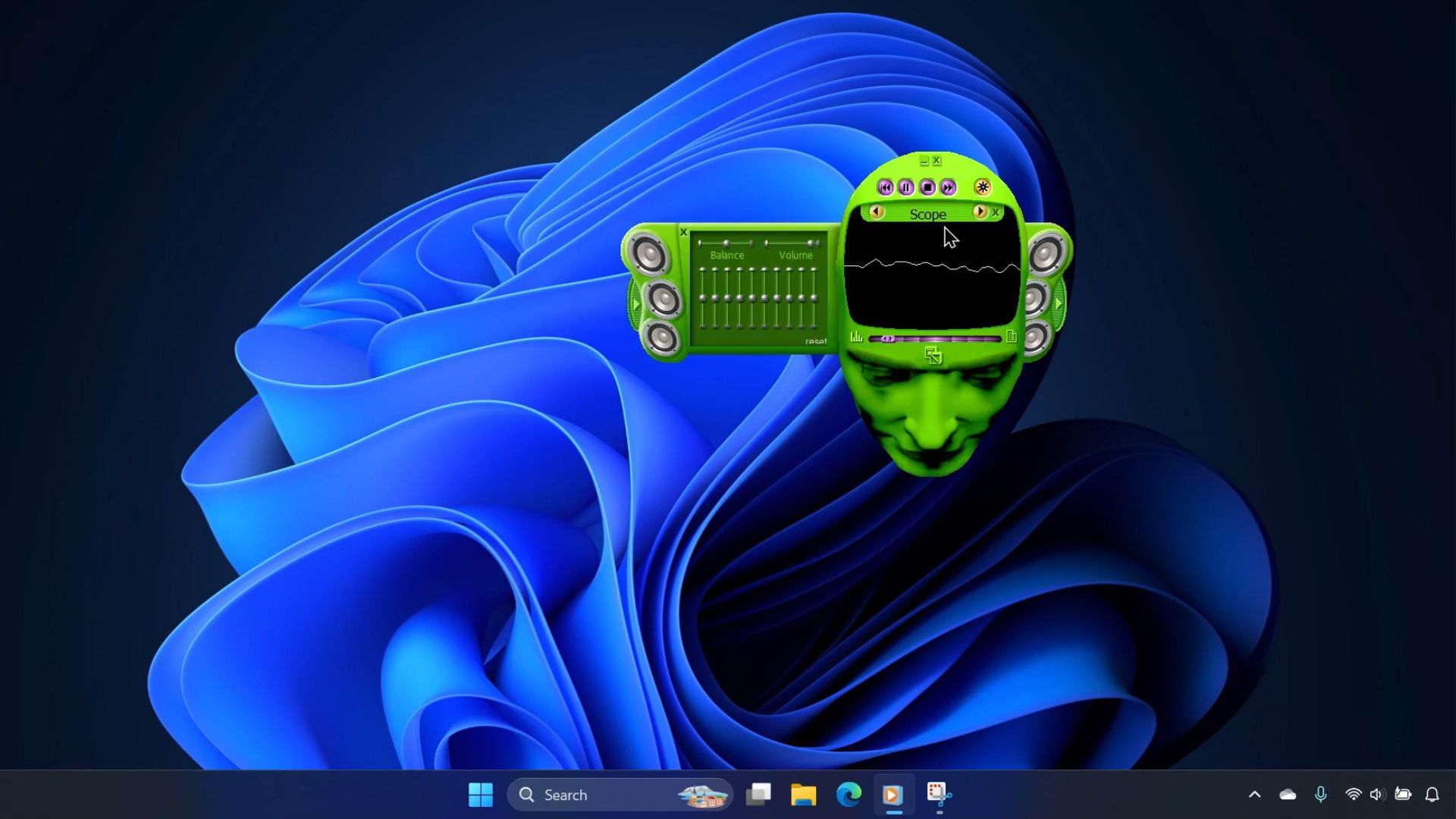
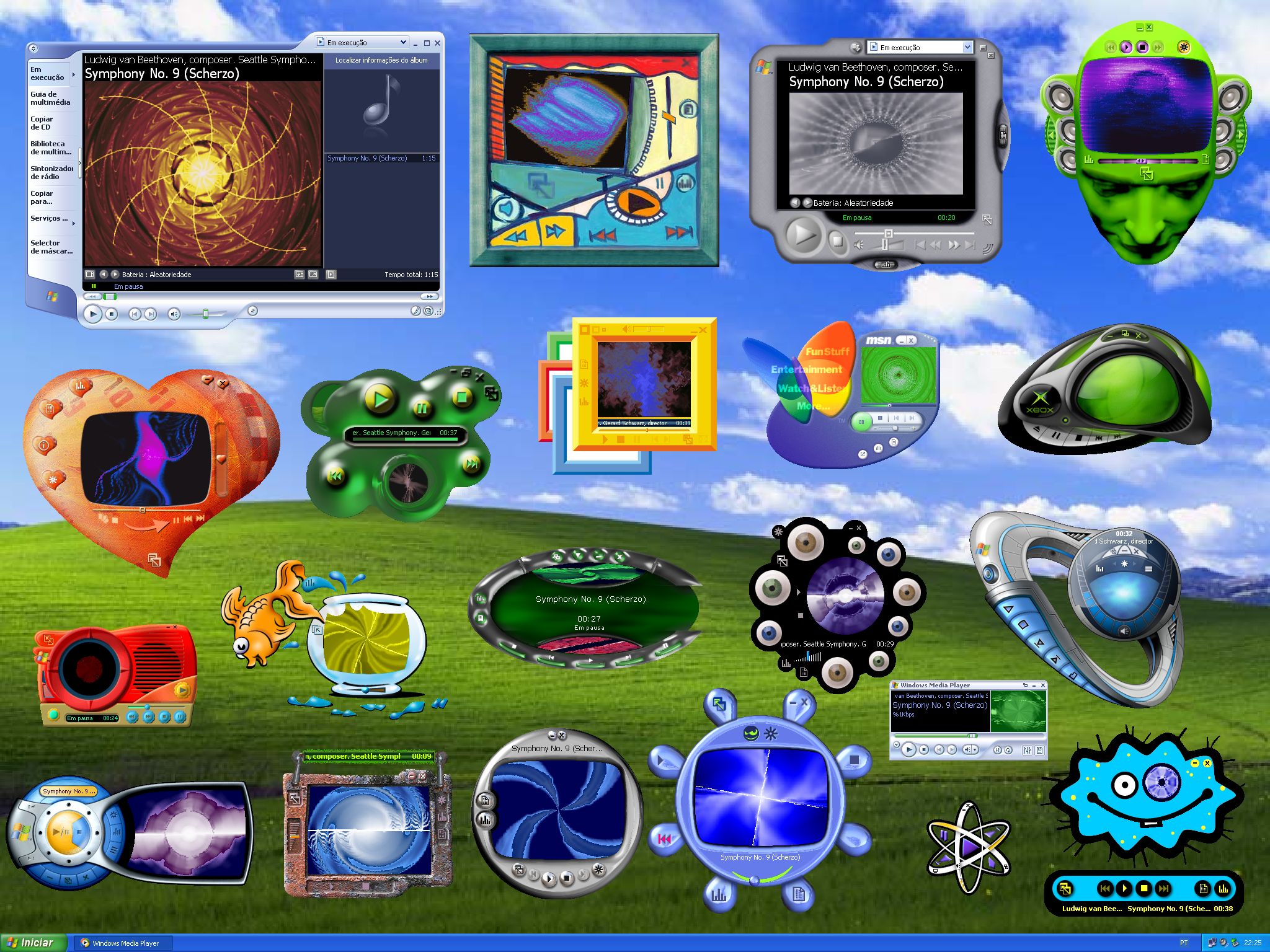
For users who are still using the classic Windows Media Player to manage their local music library, this change means that functions such as automatically obtaining album covers and artist information will gradually become ineffective. If users want to continue to have a similar experience, they need to use a new version of the media player or a third-party media management tool.
Windows Media Player can be traced back to the 1990s and is one of the oldest software components of the Windows platform. Over the years, it has assumed multiple functions such as music playback, video playback, CD burning, media library management, and online media services, and has become an important digital media tool for generations of Windows users.
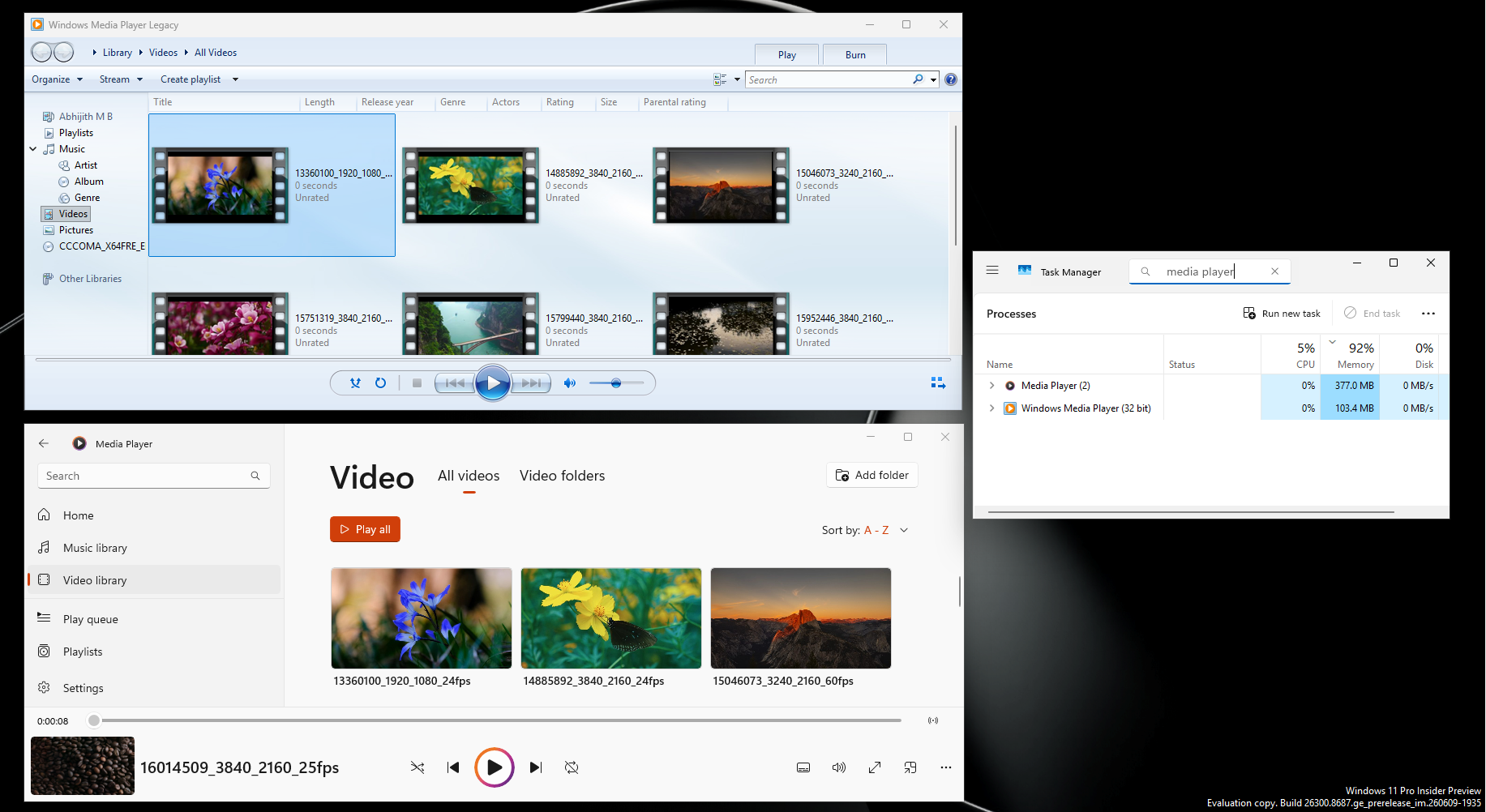
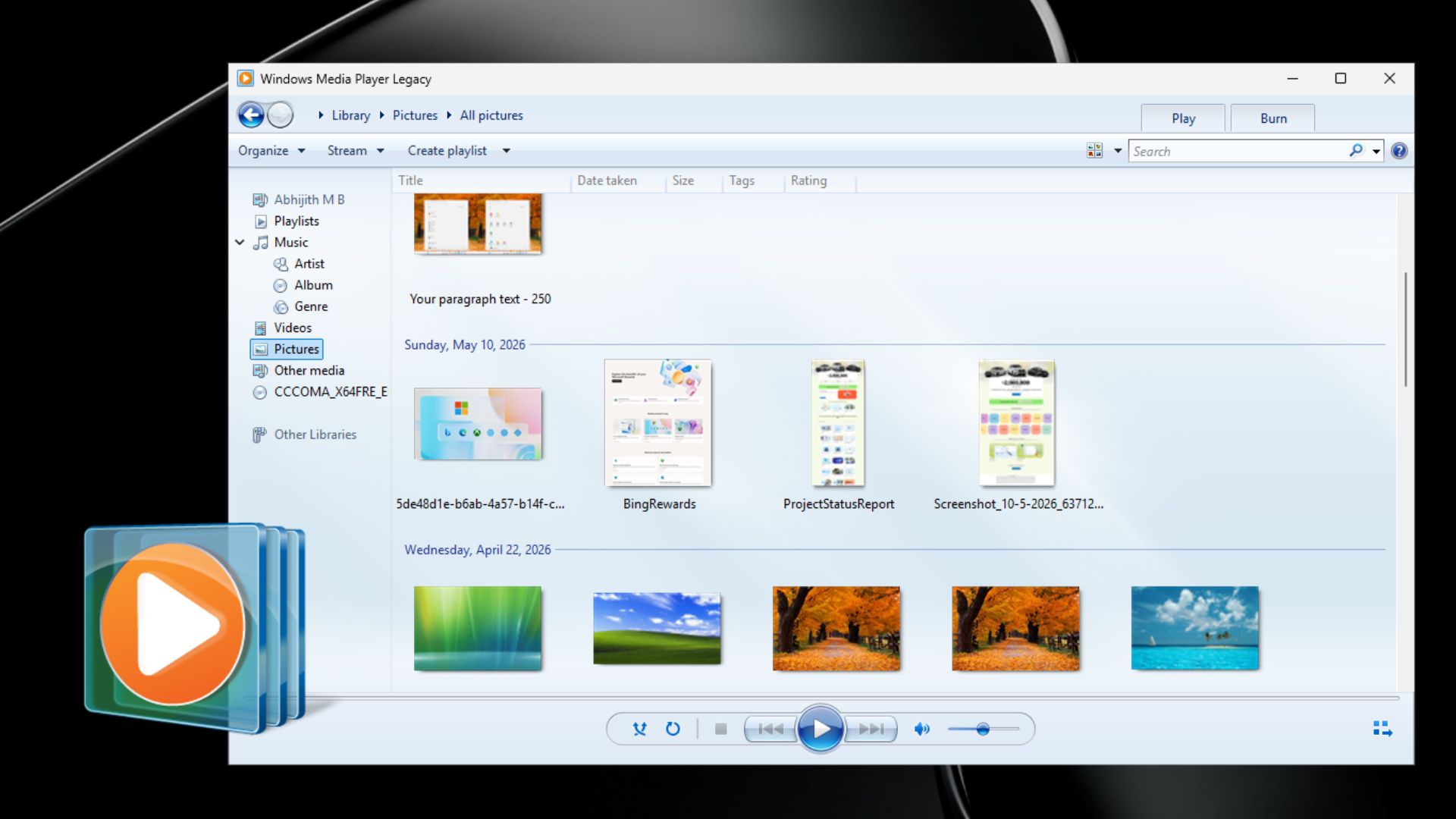
With the rise of streaming media services and the shift of the Windows application ecosystem to modern design, Microsoft has continued to reduce the functional scope of classic Windows components in recent years. The termination of the online metadata service is also seen as another landmark move for Windows Media Player to move further towards the edge of the historical stage.
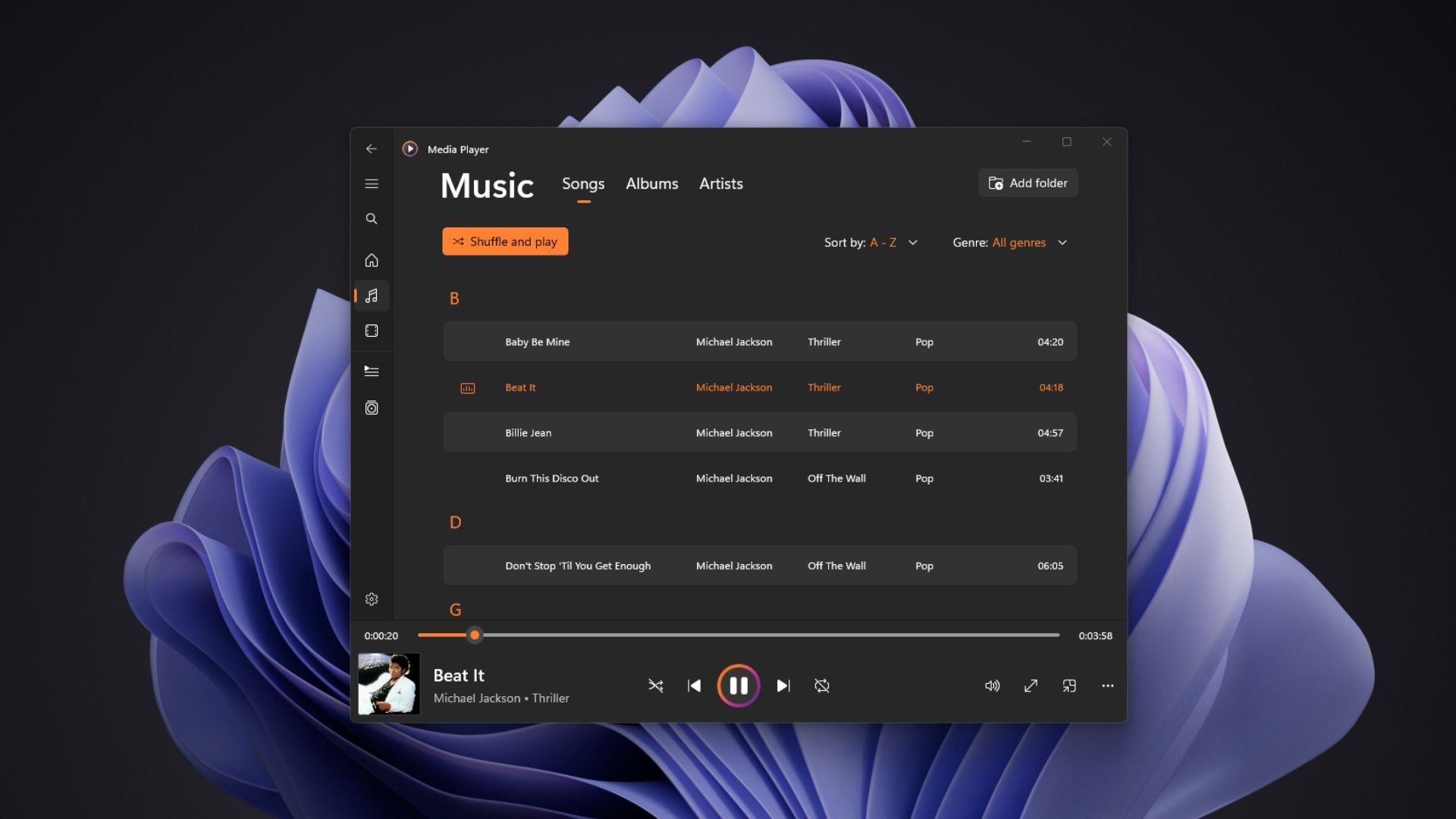
Microsoft plans to officially stop related services in November and recommends users to migrate to the new version of Windows Media Player in advance to obtain continued support and subsequent feature updates.
Comments