
Abstract:
According to the British "Financial Times" report, Musk is supporting the potential merger of SpaceX and Tesla, hoping to integrate most of its businesses into the same listed company. The transaction still needs to go through multiple approvals by the independent committee of the board of directors, shareholders and regulatory agencies, and it is still uncertain whether it can be reached.
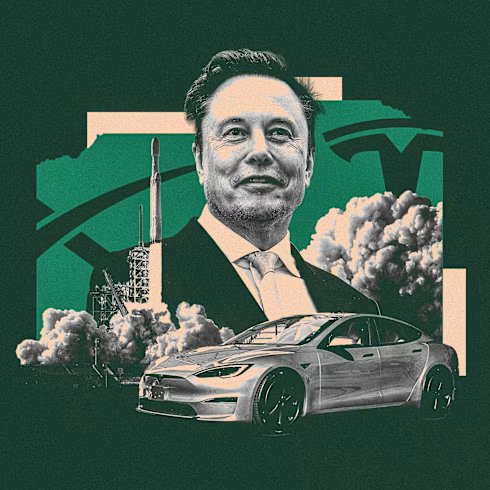
According to reports, the combined market value of the two companies is approximately US$3.5 trillion. If the deal goes through, it will bring businesses such as rockets, satellites, electric vehicles, artificial intelligence and robotics under the same company. The Financial Times described this idea as Musk’s “gamble of the century.” Its core bet is AI and the huge computing infrastructure that supports the operation of AI.
Financial needs have emerged. When Musk presented his plans to investors this week, he raised his target for new AI data center capacity to 10 gigawatts (GW) next year. The reference given by the report is that the forecast size of the entire US market in 2027 is 25 to 50 GW. According to the construction cost estimate of about US$50 billion per gigawatt commonly used in the industry, the total bill corresponding to Musk's goal may reach US$500 billion.
The above figures are construction targets and cost estimates and cannot be regarded as implemented investments.
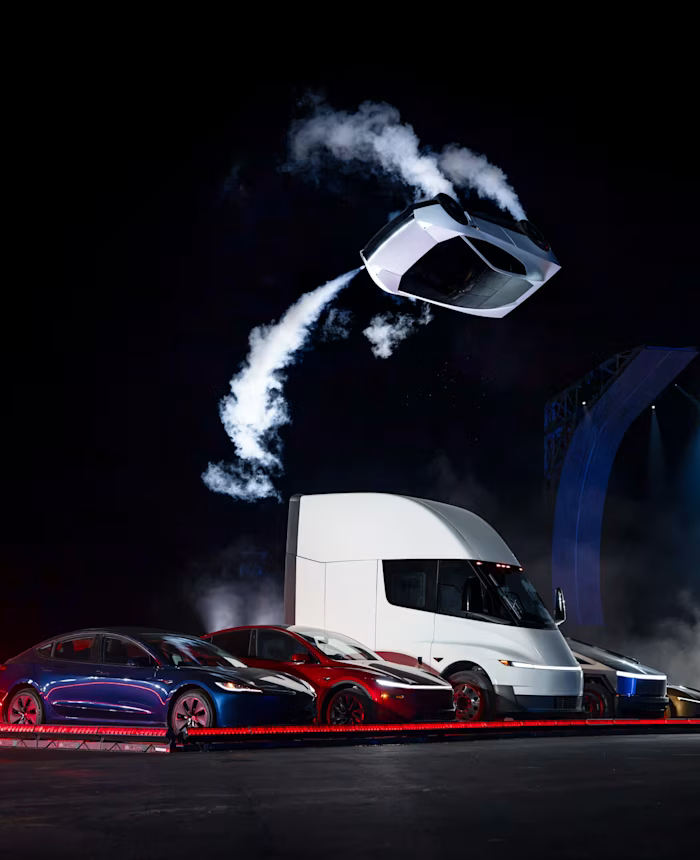
The merger may further consolidate Musk's control
According to a person close to Tesla’s board of directors, the potential transaction is expected to take the form of SpaceX issuing stock to acquire Tesla. Musk has about 85% voting control in SpaceX through a special class of super-voting shares; his stake in Tesla is about 20%.
The arrangement would give Musk majority control of the combined company, according to the person.
The report pointed out that Tesla has had many legal disputes over the past few years surrounding corporate governance and Musk's compensation, including its huge stock option award in 2018 and Tesla's acquisition of solar company SolarCity. A person close to the board of directors believes that the merger may change the governance arrangement that has long troubled Musk and the board of directors, but this is not the main reason for promoting the transaction.
Currently, both companies have established independent board committees to evaluate merger scenarios. The transaction also requires the support of a majority of Tesla shareholders and the approval of relevant regulatory agencies around the world.
Musk said he could not discuss the deal with those committees because of conflict-of-interest rules. He compared speaking publicly about the merger to "tap dancing in a minefield," but nonetheless made his support clear.
Supporters are optimistic about integration, but skeptics are worried about diverting attention
Supporters believe that the merger will help simplify the company structure and facilitate cooperation in different businesses and joint investments, including advanced chip manufacturing projects that both parties plan to promote.
Deepwater Asset Management investor Gene Munster believes that SpaceX has multiple business opportunities for long-term growth, and the combined company will be attractive to growth investors.
But Ross Gerber, an investor who once actively supported Tesla and still holds SpaceX shares, expressed a different view. He believes that Tesla has lost some of its advantages in the electric vehicle market, its robotics business has not yet fulfilled expectations, and its financial performance has weakened, giving Musk a strong incentive to merge it with SpaceX. In contrast, the market is more optimistic about SpaceX. Although its stock price fluctuates, it remains higher than the issue price most of the time.
Gerber also questioned the premium in the combined valuation of the two companies, believing that about $2 trillion of it may lack sufficient support. This is his personal judgment and is not a valuation conclusion recognized by the market.
The Financial Times noted that the combined company may also face a "diversified group discount." Investors may worry that excessive business span will distract management attention or make the company's internal capital allocation less efficient than the market.
Three sets of incentive plans, with a total potential salary of US$1.7 trillion
The merger proposal also involves Musk's huge compensation arrangement.
It is reported that after SpaceX integrated xAI earlier this year, it retained the Musk incentive plan corresponding to the two businesses. Among them, the maximum value of the plan linked to the original SpaceX business is US$550 billion, and the maximum value of the plan linked to the original xAI business is US$150 billion.
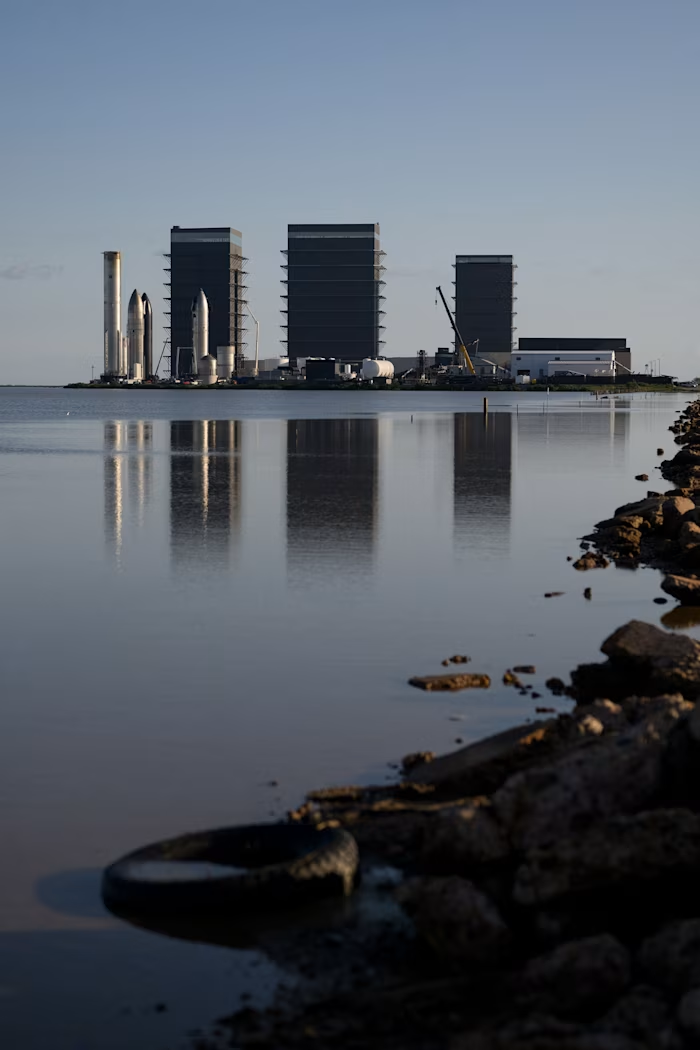
Tesla also has a restricted stock plan worth up to $1 trillion. If the program is also retained with SpaceX after the merger, the three potential awards would total $1.7 trillion.
These numbers represent potential rewards if relevant conditions are met, not actual income. The assessment conditions mentioned in the report involve the company's market value, as well as goals such as establishing a permanent Mars colony, sending data centers into orbit, deploying a driverless taxi fleet, and selling more than 1 million humanoid robots.
Can computing power rental support huge expansion?
In the AI infrastructure business, Musk is betting not only on the growth of demand, but also on the continued rise in computing power rental prices.
According to the Financial Times, SpaceX uses contracts with frequently adjusted lease terms, while mature cloud service providers such as Amazon, Microsoft, and Google prefer to sign multi-year contracts with customers. If the price of computing power continues to rise, SpaceX will have the opportunity to increase revenue from the same infrastructure through repricing.
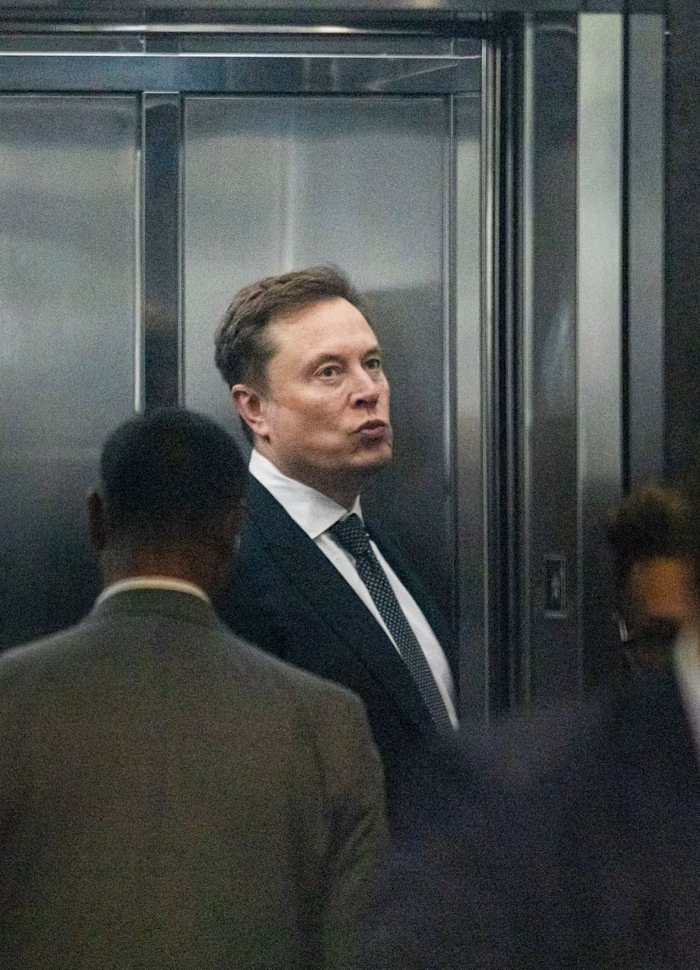
Musk believes that the continuous advancement of AI models will increase the level of intelligence that can be generated per watt of electricity, making infrastructure more valuable to customers.
SpaceX executives said that the company’s latest contract can recover the construction costs of new computing facilities within one year. If this situation continues, the company may quickly generate the large amounts of capital needed to support subsequent expansion. However, this is management's representation of the returns from the latest contract and cannot be relied upon to conclude that all facilities will achieve the same payback period.
Aswasth Damodaran, a professor of finance at New York University, believes that if SpaceX can meet the computing needs of AI, it will have the opportunity to occupy an important position in the next stage of the AI infrastructure market.
But this idea relies on several conditions. If the progress of enterprises adopting AI is hindered and they are unable to obtain sufficient economic returns, computing power demand and prices may be under pressure. Whether the construction goals can be achieved also depends on funding and project execution capabilities.
Leasing out AI infrastructure also means a change in SpaceX’s business focus. Damodaran pointed out that SpaceX’s listing documents originally envisaged using data centers to support its own AI services. Musk still advocates that both can be balanced, but it has been reported that limited short-term computing capacity has caused the company to delay training its own AI models.
Comments