
Abstract:
SpaceX CEO Elon Musk recently stated that the company’s business planning assumes that it will not sell any computing power to OpenAI. This statement is in response to OpenAI CEO Sam Altman’s previous remarks that the demand for AI data centers may be overestimated. Musk believes that if OpenAI's products cannot drive rapid growth in computing power demand, the problem may lie in the product itself, rather than the excessive scale of data center construction.
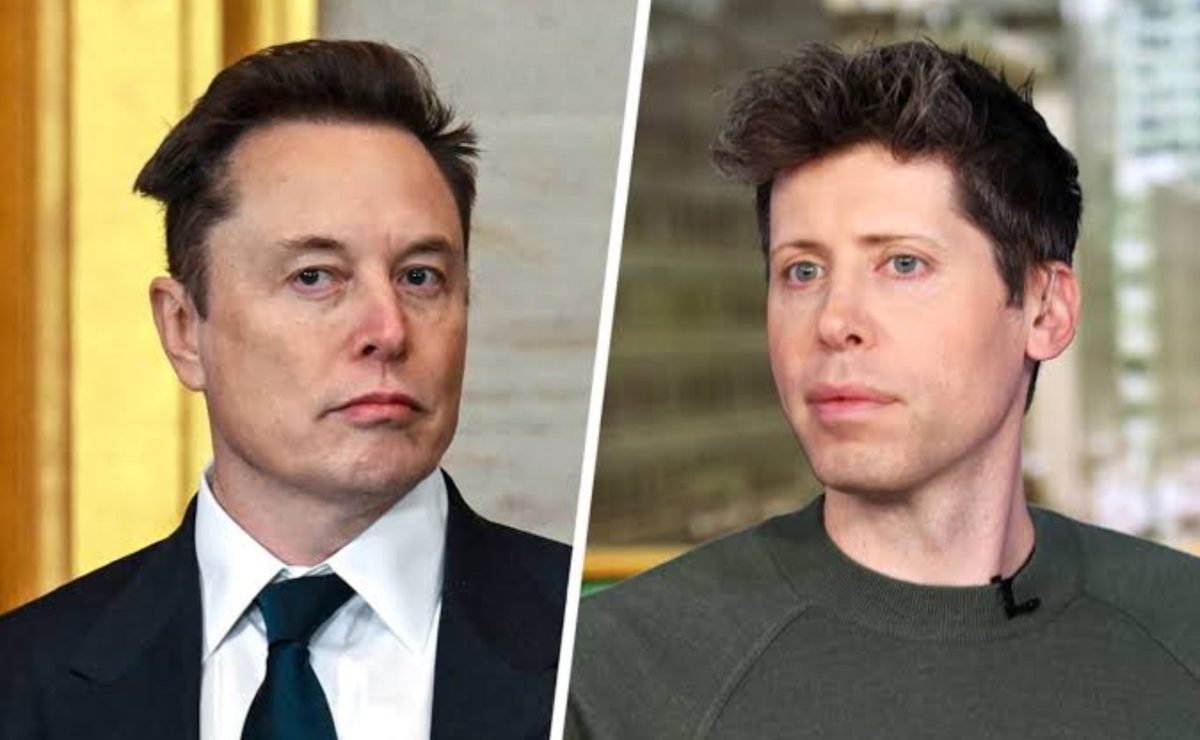
Musk wrote on social platform
These remarks stem from Ultraman’s recent discussion of the market demand for AI infrastructure. Previously, Altman talked about Nvidia CEO Jensen Huang's view at an event that the demand for AI chips may be overestimated, and mentioned the problem that so-called "Neocloud" companies may double-count customer demand.
The so-called new cloud companies usually refer to cloud computing companies that specialize in providing GPU computing power rental services for AI training and inference. Altman pointed out that some new cloud service providers may list large AI companies such as OpenAI and Anthropic as potential customers when estimating future chip demand, but these AI companies may not actually use the computing resources provided by all service providers. If multiple service providers include the same batch of potential demands in their procurement plans, it may eventually lead to duplication of estimates of chip demand throughout the industry chain.
Altman later said that the overall demand for AI data center construction is still real, but it does not mean that all companies need to purchase all planned chips from every chip supplier. He believes that the actual future demand of the industry will depend on each company's product development and computing power purchasing decisions, rather than simply adding up the expected orders from all suppliers.
Musk took a different view on the possibility of such a slowdown in demand. He believes that as long as AI products continue to improve, they should be able to bring about very rapid user growth and computing power demand. SpaceX is currently building GPU computing clusters on a large scale. Musk obviously hopes to fully digest the increasing computing power through its own AI products and external computing services, rather than relying on competitors such as OpenAI to provide orders.
In recent years, SpaceX has gradually expanded from a traditional aerospace and satellite communications enterprise to a large-scale AI computing infrastructure operator. The company's Colossus data center cluster has been put into operation, and Colossus II is also under construction. SpaceX has previously reached computing power cooperation agreements with Google and Anthropic to provide these companies with data center computing resources.
According to the third quarter results of 2026 announced by SpaceX, the company’s computing infrastructure has reached 1.7 gigawatts. Musk previously stated that the Colossus series data center plans to deploy more than 1.2 million NVIDIA GPUs by the end of 2026, with the goal of building one of the world's largest computing clusters.
SpaceX’s computing power business has also become an important part of the company’s revenue. The company achieved revenue of US$14.6 billion in the third quarter, a year-on-year increase of 161%, of which a business unit called "Super Intelligence" contributed approximately US$7.5 billion in revenue, covering cloud computing services, Cursor, Grok and other AI products and services.
Musk is not optimistic about the long-term prospects of new cloud companies. He previously predicted that if these companies cannot establish stable customer demand and competitive advantages, they may eventually face an ending similar to that of small fish being swallowed up by large predators. He believes that SpaceX has large-scale infrastructure construction capabilities and can make progress in power, cooling and data center construction, so it does not have to rely on other AI companies to justify its investment in computing power.
However, SpaceX’s expansion of computing power also means huge capital expenditures. The company's capital expenditures reached US$19.6 billion in the third quarter and are expected to increase further to US$35 billion to US$40 billion in the fourth quarter. As the scale of GPU clusters continues to expand, how to ensure that the new computing power is fully utilized will become an important factor in the company's future operating performance.
Musk’s emphasis this time on not including OpenAI orders in business expectations is actually in response to the debate in the AI industry about whether computing power needs have been overestimated. His view is that SpaceX can rely on its own products and other customers to absorb the supply of computing power without looking at OpenAI as a potential revenue source. However, this statement does not mean that SpaceX has proven that all new computing power in the future can obtain sufficient demand. Whether data center investment can produce expected returns still depends on the growth of AI products, external customer procurement, and changes in computing resource market prices.
Comments