
Abstract:
Researchers recently developed a new membrane technology that can remove nearly 100% ammonia from wastewater within minutes, providing a new technical path to solve the nitrogen pollution problem that has long plagued the sewage treatment industry. Ammonia is one of the most common pollutants in domestic sewage, agricultural wastewater and industrial wastewater.
Although ammonia itself is an important source of nutrients required for agricultural production, when large amounts of ammonia enter rivers, lakes and offshore ecosystems, it often leads to environmental problems such as eutrophication of water bodies, abnormal growth of algae, and the death of aquatic organisms. Therefore, how to efficiently remove ammonia from wastewater has always been an important research direction in the global water treatment field.
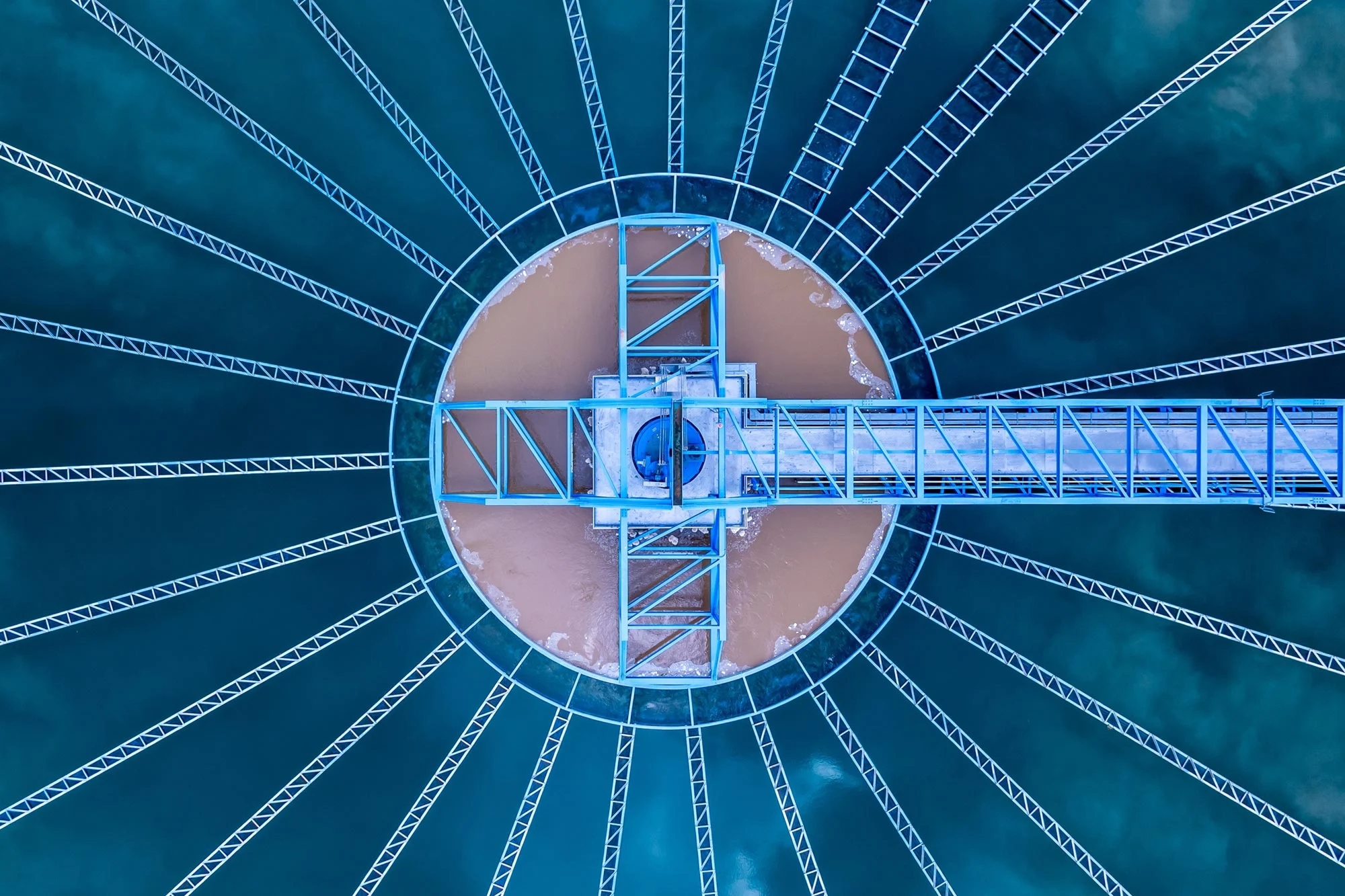
The current mainstream ammonia removal process mainly relies on biological treatment systems. Such systems typically use microorganisms to convert ammonia into other forms of nitrogen compounds, which are then gradually removed. However, biological treatment processes generally have problems such as long running time, large equipment scale, high energy consumption, and sensitivity to environmental conditions.
In order to find a more efficient solution, the research team developed a new membrane separation material. Unlike traditional filtration methods, this membrane can selectively capture ammonia molecules in wastewater and quickly separate them from the water body.
Experimental results show that the new membrane can remove nearly all the ammonia content in wastewater in just a few minutes under test conditions, and the removal efficiency reaches a level close to 100%. Compared with traditional methods that take several hours or even longer to complete processing, the new technology shows clear advantages in processing speed.
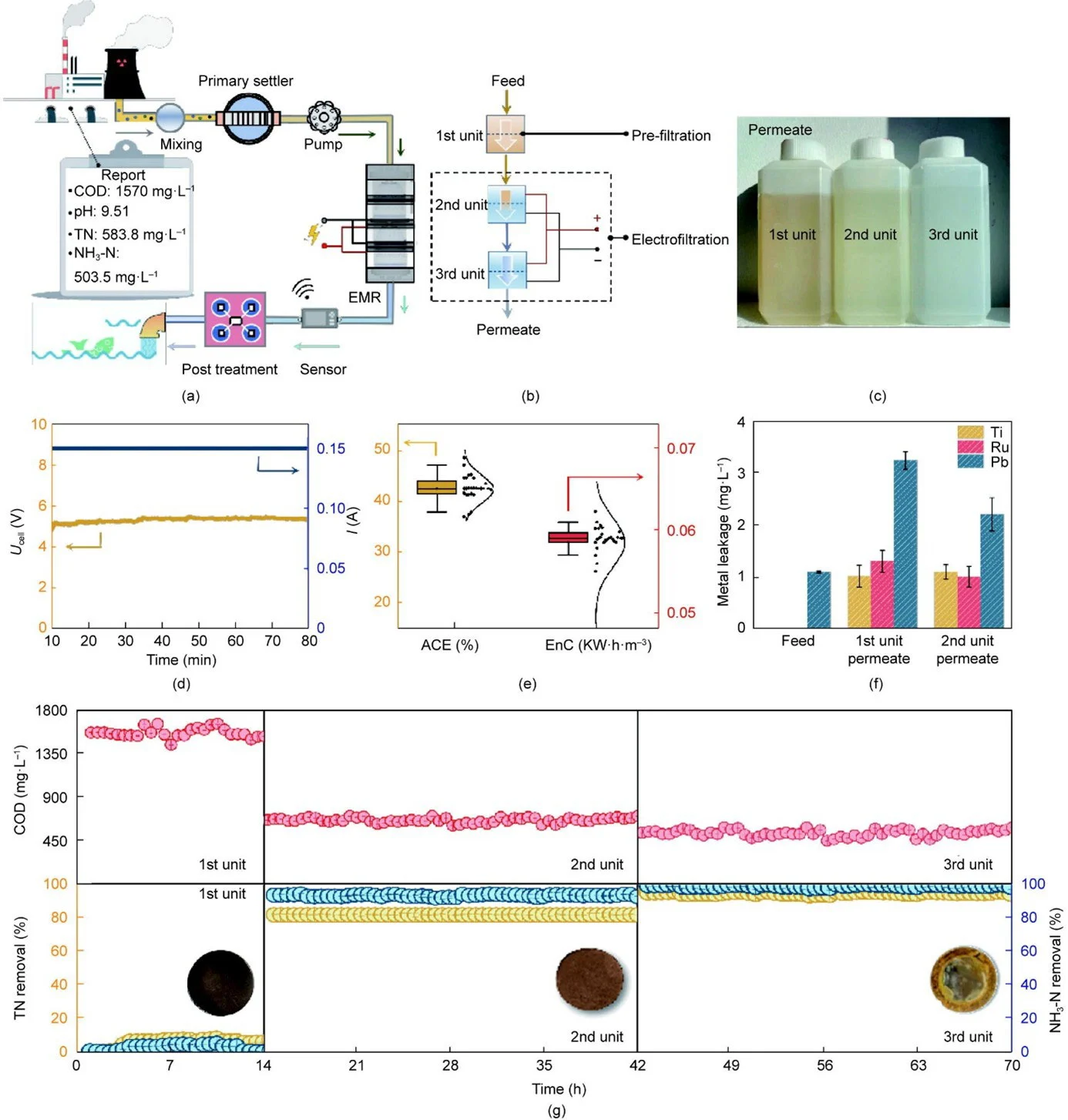
The researchers said that this material can not only remove ammonia quickly, but also has high stability and reusability. During multiple rounds of continuous testing, the membrane performance remained stable and there was no obvious efficiency attenuation.
In addition to improving processing efficiency, the technology also brings potential for resource recovery. Since ammonia itself is an important raw material for manufacturing fertilizers, the relevant systems in the future will not only remove pollutants, but also have the opportunity to reuse the recovered ammonia for agricultural and industrial purposes, achieving simultaneous pollution control and resource recycling.
The research team pointed out that more and more areas around the world are facing water pressure, and the utilization of waste water resources is becoming an important development trend. If nitrogen in wastewater can be efficiently recovered, it will not only help improve environmental quality, but also reduce reliance on traditional fertilizer production.
In terms of practical application, the new technology is expected to be used in urban sewage treatment plants, agricultural wastewater treatment systems and industrial wastewater purification facilities in the future. Especially when dealing with high-concentration ammonia-contaminated wastewater, its rapid and efficient characteristics may show obvious advantages.
Currently, researchers are continuing to advance follow-up testing work, hoping to further verify the long-term stability and economic feasibility of the material in large-scale engineering environments. At the same time, the team is also exploring how to reduce manufacturing costs to promote future commercial applications.
This achievement represents an important progress in membrane separation technology in the field of water treatment. As global demand for clean water continues to grow, more efficient and energy-efficient wastewater treatment methods are becoming increasingly important. New membrane materials that can achieve near-complete ammonia removal in a short time are expected to become an important part of the next generation of sewage treatment systems in the future.
Comments