
Abstract:
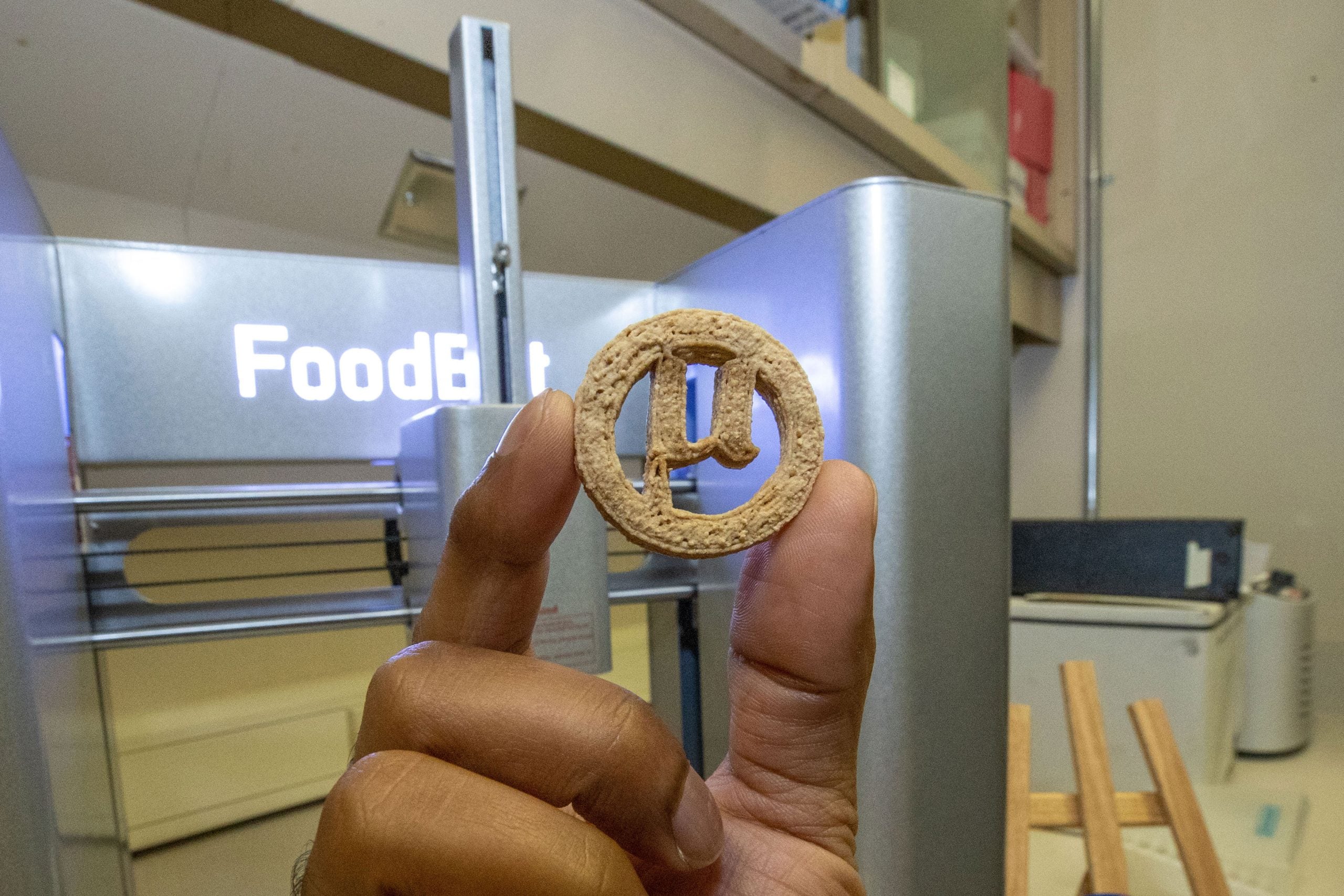
Faced with increasingly severe plastic pollution and potential food safety challenges, a scientific research team from Southern Illinois University Carbondale has achieved a breakthrough research result. Researchers used genetically engineered yeast to successfully convert discarded plastic bottles and agricultural waste into edible raw materials containing nutrients such as protein, fat, and vitamins, and used 3D printing technology to create high-protein biscuits called "µBites."
This innovation not only opens up a new path for the high-value utilization of waste plastics, but also provides cutting-edge solutions for future deep space exploration and food supply in resource-scarce environments.
It needs to be clarified that this technology does not directly incorporate plastic into food or process it into biscuits, but rather achieves the recombination of elements through biochemical transformation. Polyethylene terephthalate (PET), as the main component of plastic bottles and other packaging, itself contains rich carbon elements. The research team first used "oxidative hydrothermal dissolution" technology to decompose agricultural and forestry waste such as PET plastic and discarded corn straw into small molecule compounds that can be utilized by microorganisms under high temperature and high pressure conditions, and then fed these products to microorganisms such as genetically engineered Saccharomyces cerevisiae.
Specially modified yeast acts like a miniature food processing factory, able to absorb these carbon sources from waste materials and resynthesize them into nutrients such as proteins, fatty acids, and organic acids. In addition, the researchers have further developed yeast strains with specific functions, allowing them to use ethylene glycol derived from plastics to synthesize beta-carotene (which can be converted into vitamin A in the human body), and even use plant waste to directly synthesize natural vanilla flavor compounds, thereby significantly improving the taste and nutritional value of the final food.
After obtaining the nutrients extracted from yeast, the scientific research team mixed them with appropriate amounts of dietary fiber, starch and sweeteners, and used 3D printing technology to shape high-protein biscuits "µBites". Safety assessment data shows that the biscuits made through biotransformation meet the safety standards for consumption. Although the research team is still waiting for approval from relevant agencies for formal human taste testing, early aroma evaluation results for subjects have been quite positive, with the vast majority of participants expressing their willingness to eat this new food in resource-poor or extreme environments.
This research also received funding support from the National Aeronautics and Space Administration (NASA)'s "Deep Space Food Challenge" and the National Science Foundation. Researchers said that this microbial-based food conversion system can not only respond to the plastic pollution crisis and emergency rescue needs in disaster areas on Earth, but can also be deployed in closed extreme environments such as submarines, polar scientific research stations, and even future moon and Mars bases. The team plans to continue to improve the process in the next few years, allowing microorganisms to directly synthesize more basic ingredients such as starch and fiber, and promote the technology to enter the stage of mass consumption and practical application as soon as possible.
Comments