
Abstract:
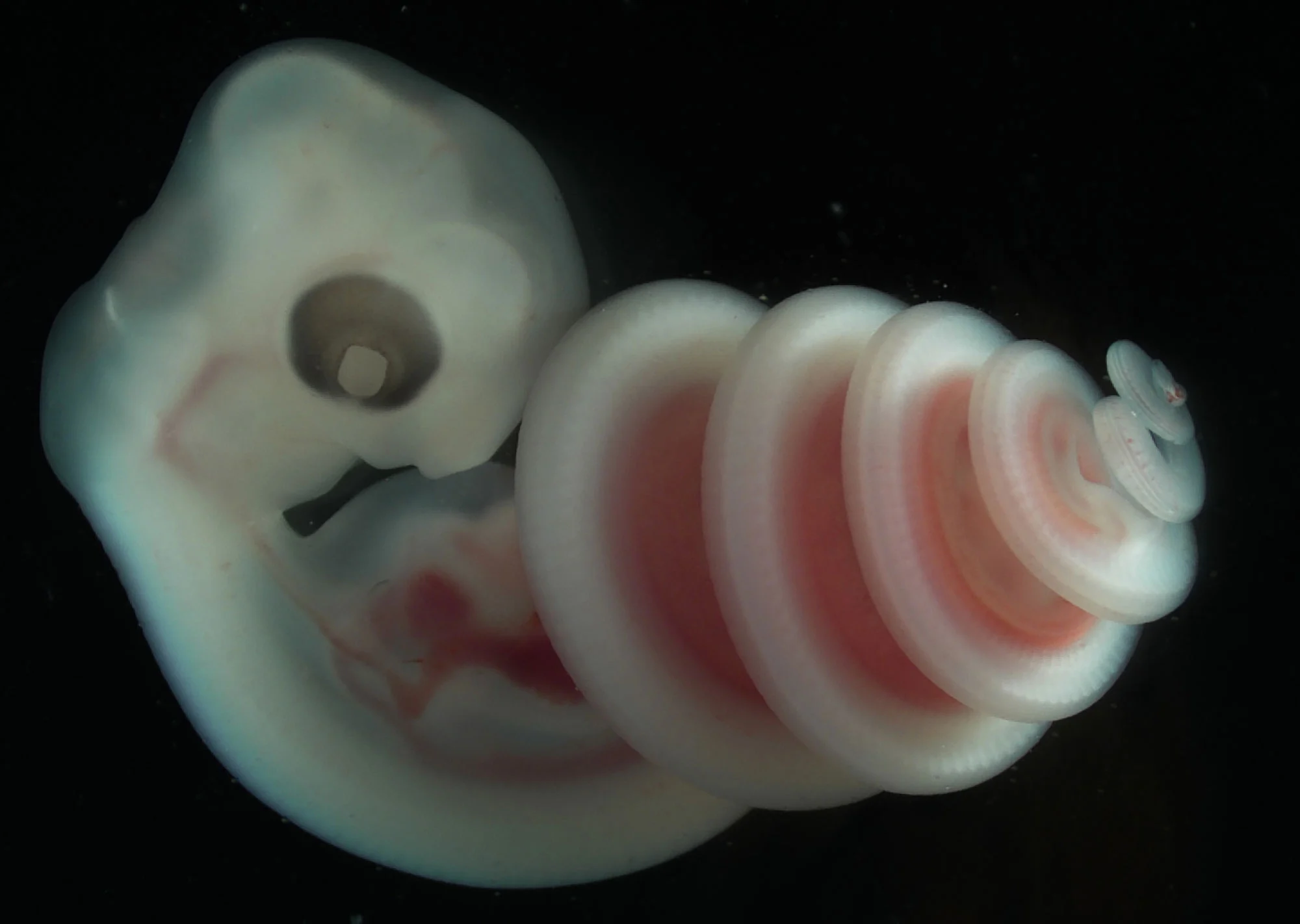
Snakes almost always assume the same posture when developing inside the egg: the body is coiled to the right. This phenomenon has long been viewed by biologists as a universal but poorly explained natural law. Now, a new study has finally revealed the reason, and the answer is closely related to the layout of the snake's internal organs.
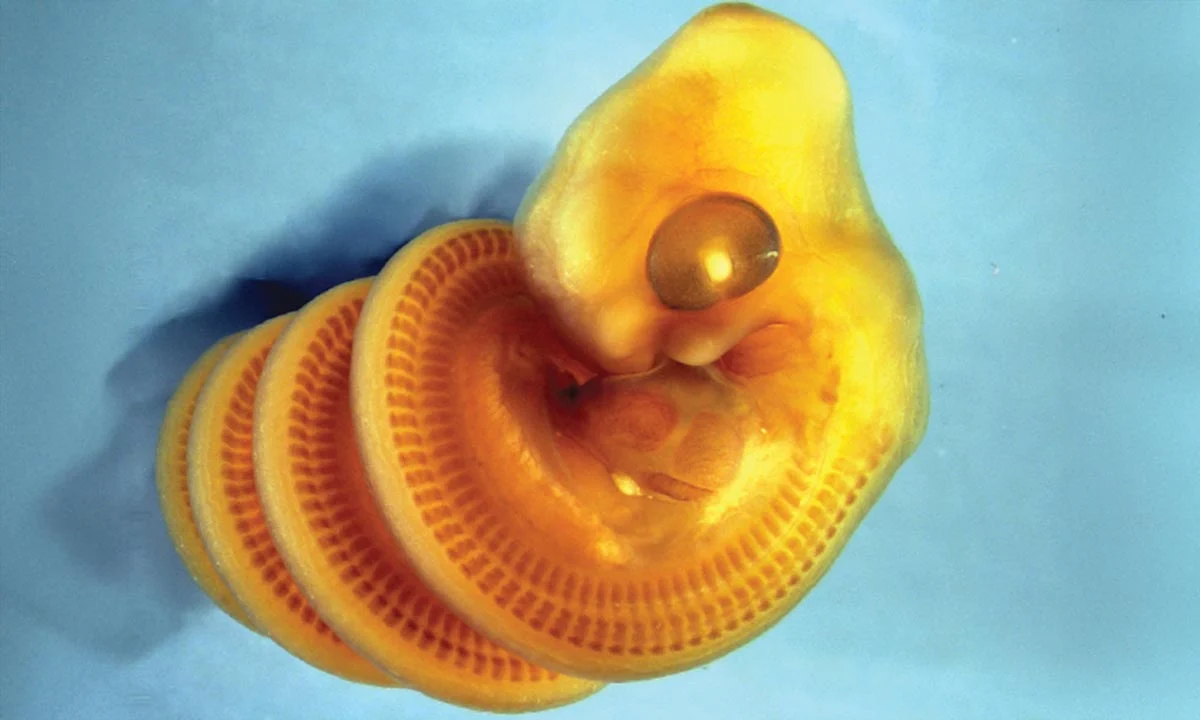
Researchers found that snake embryos coiling to the right is not an accident, nor is it a simple genetic habit, but is directly related to the asymmetric arrangement of their internal organs during development. As the embryo continues to grow in a limited space, the body needs to be folded in the most space-efficient way, and the position of the internal organs ultimately determines the coiling direction.
Like many vertebrates, although snakes appear highly symmetrical in appearance, their internal organs are actually not symmetrically distributed. For example, the heart, liver, and digestive system structures tend to be on one side of the body. During the long evolutionary process of snakes, the body gradually evolved into an extremely elongated form, and this arrangement of organs became particularly important.
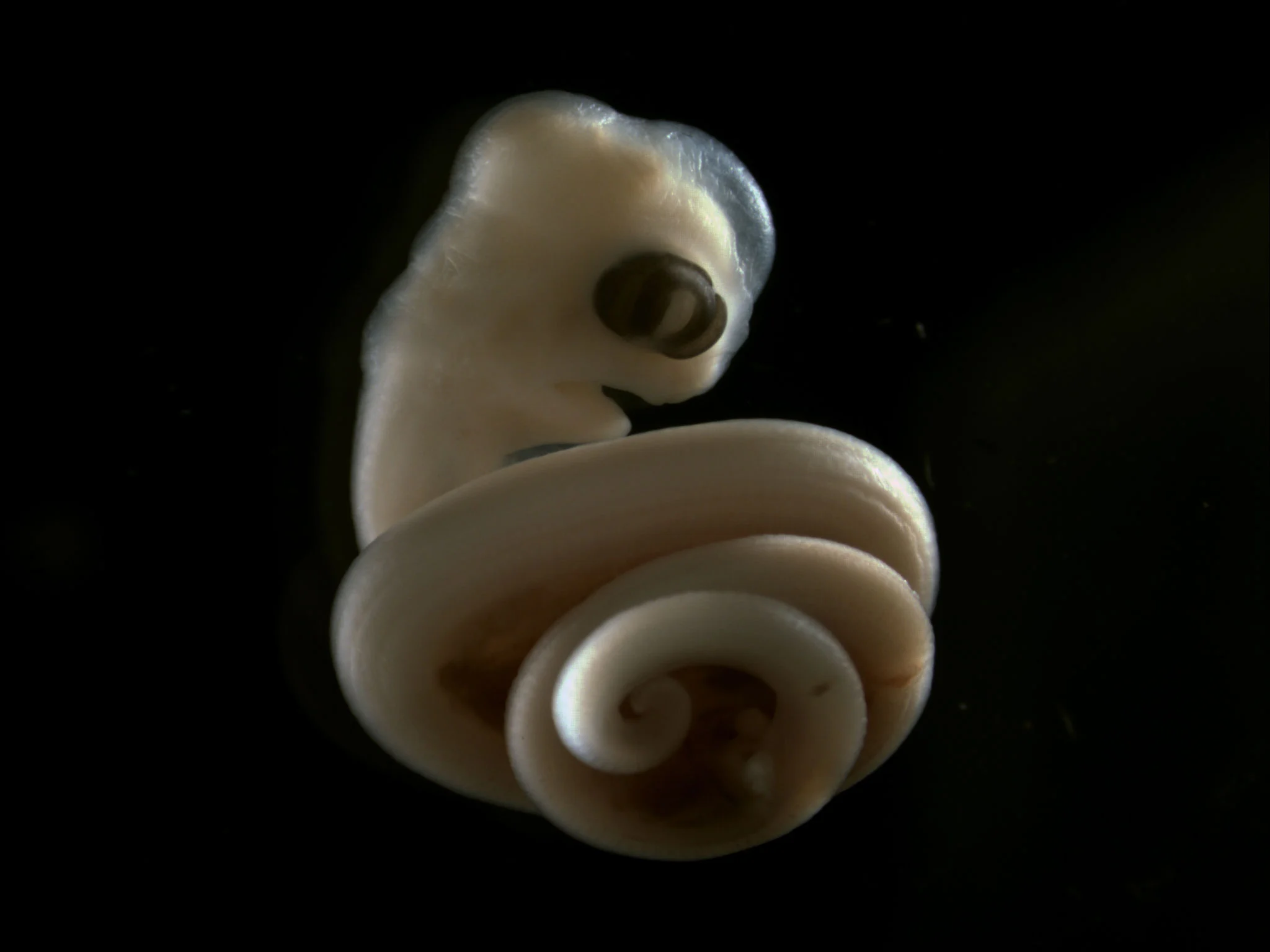
By observing the embryonic development of multiple snake species, researchers found that in the early embryonic stages, there is no obvious body coiling direction preference. However, as the internal organs gradually form and take up space in the abdominal cavity, the embryo begins to develop a consistent rightward curvature.
Further analysis showed that if the embryo attempts to circle in opposite directions, spatial conflicts between organs are more likely to occur and the risk of tissue compression is increased. In contrast, coiling to the right allows the growing body and internal organs to fit more efficiently into the limited space inside the egg, thereby improving development efficiency.
The study also pointed out that this phenomenon is similar to the body-biased behavior that occurs during the development of bird embryos. Many animals are affected by left-right asymmetric development mechanisms in the embryonic stage, and the stable right-handed coiling displayed by snakes may be a special manifestation of this biological law.
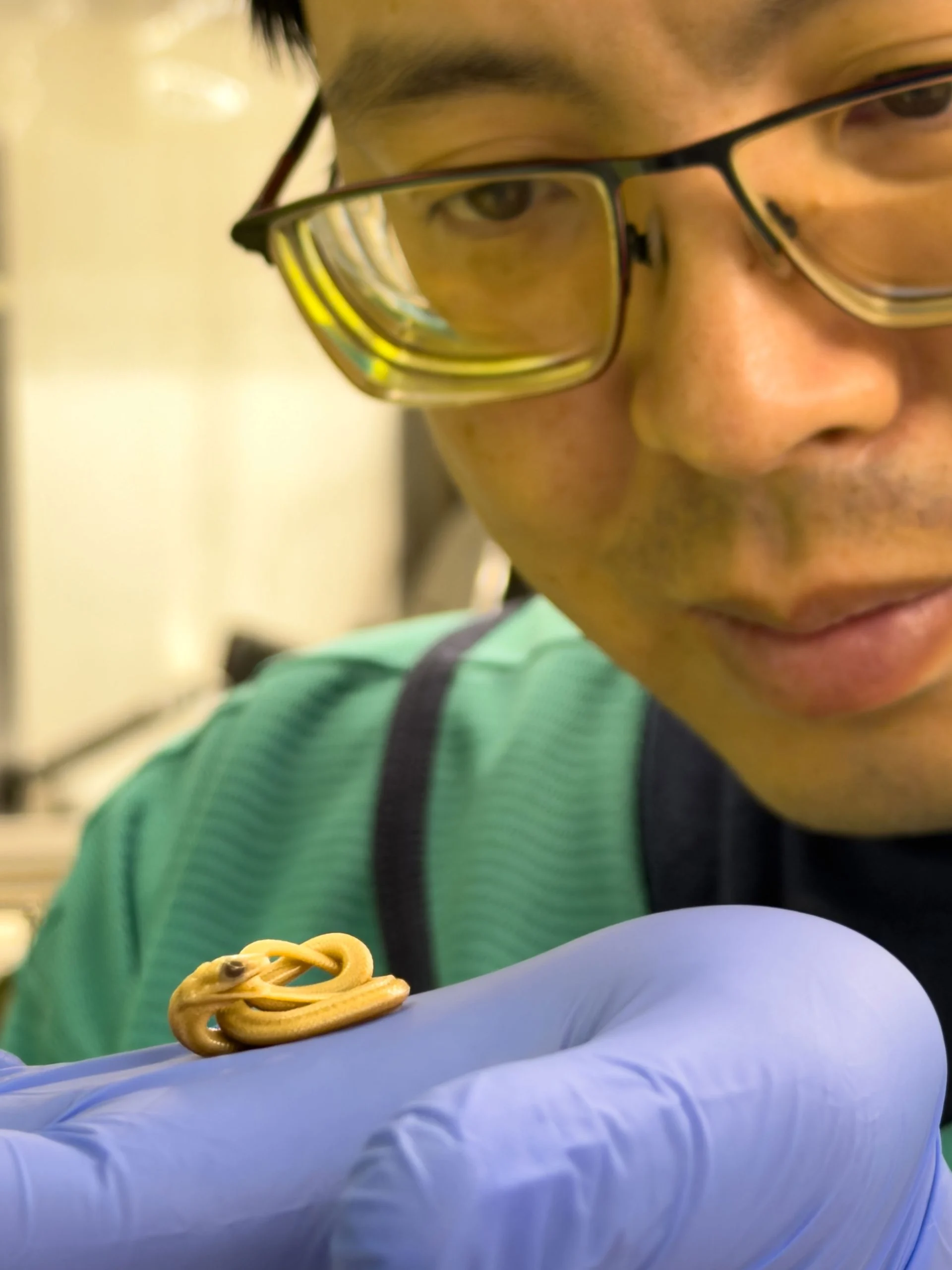
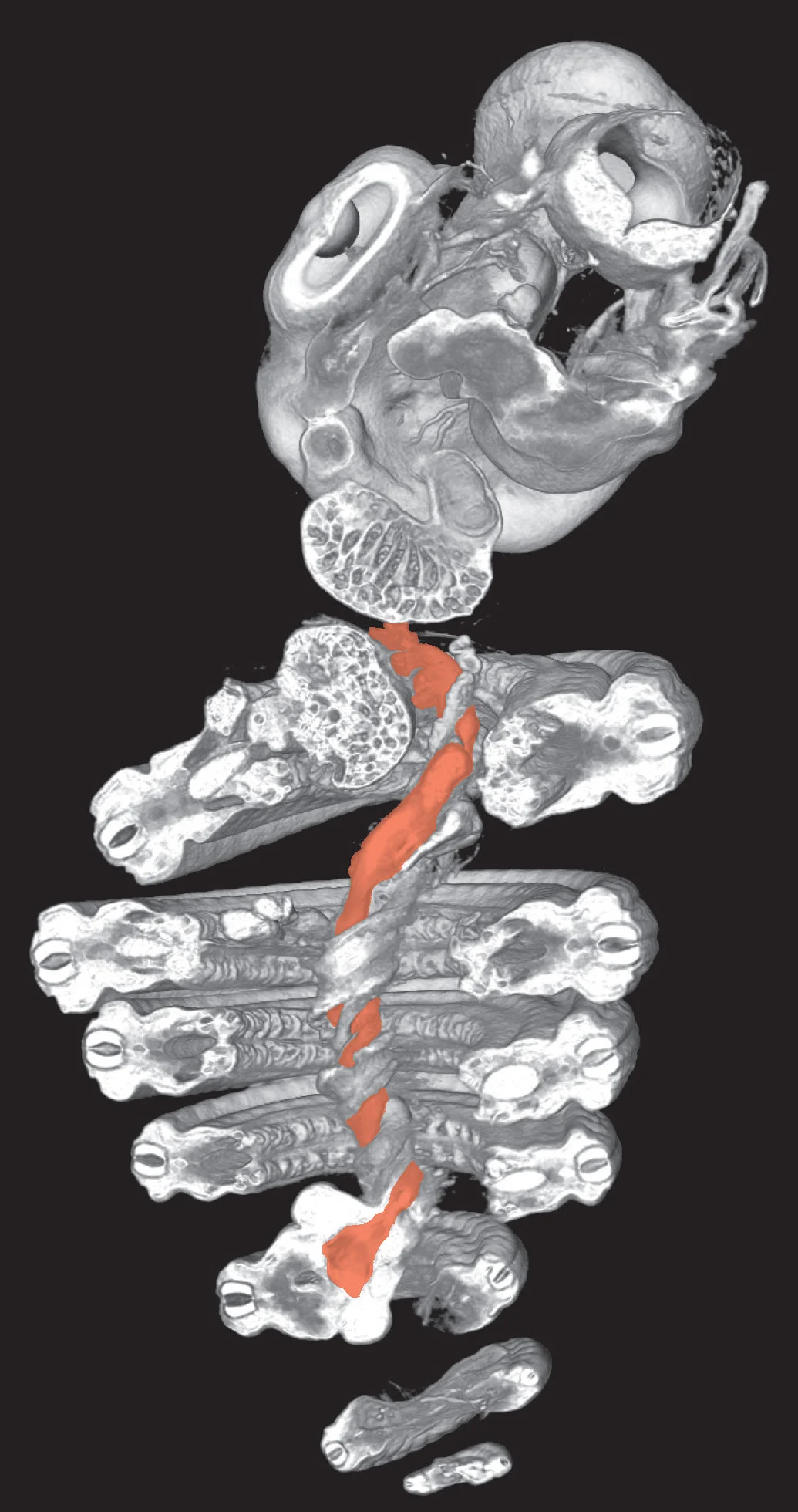
In order to verify this hypothesis, the research team combined embryo imaging technology and three-dimensional reconstruction models to conduct simulation analysis at different developmental stages. The results showed that as long as the positional relationship of some key organs is changed, the overall coiling pattern of the embryo will also change. This further supports the interpretation that organ layout dominates coiling direction.
The researchers believe this discovery helps explain how snake body structures work with developmental mechanisms during evolution. In the past, the scientific community paid more attention to macroevolutionary characteristics such as the loss of limbs and elongated bodies of snakes, but the new study shows how these changes further affect the spatial organization of the embryonic stage.
In addition, this result may also help scientists gain a deeper understanding of the formation mechanism of left-right asymmetry during vertebrate development. Many congenital diseases are related to abnormal left-right positioning of organs, so studying this highly consistent development pattern in snakes can also help reveal more general biological laws.
The research team said that the seemingly simple "coiling to the right" actually reflects the precise coordination between hundreds of millions of years of evolution and embryonic development. For a snake embryo while still in the egg, the choice of which direction to bend is not a random decision but the result of a combination of internal structures in the body.
This discovery also proves once again that complex and exquisite biological mechanisms are often hidden behind many phenomena in nature that have long been taken for granted. The secret of snake embryos coiling uniformly to the right has finally been scientifically explained.
Comments