
Abstract:
Scientists have found that the composition of bacteria in saliva may hide important clues to a deadly form of esophageal cancer. Researchers from South Africa and the United States developed a predictive model that distinguishes esophageal cancer patients from those without cancer by analyzing microorganisms in patients' saliva and combining it with machine learning technology. Research results show that the recognition effect of a model based on oral microbial characteristics is better than that of a model based solely on clinical information and demographic characteristics. This study provides new ideas for the development of simple, low-cost auxiliary screening tools.
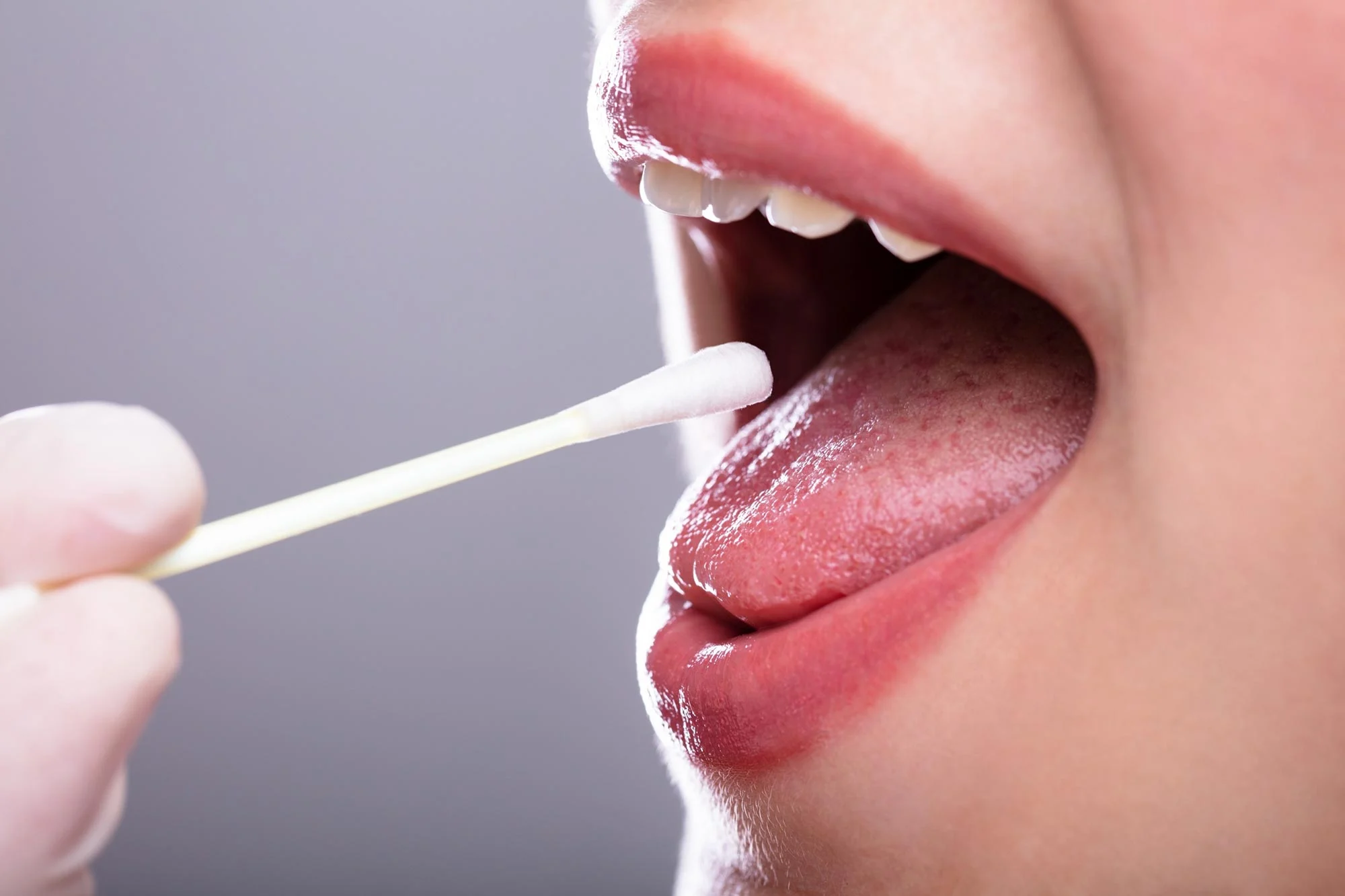
This study was jointly conducted by scientists from the Sydney Brenner Institute of Molecular Biosciences at the University of the Witwatersrand in South Africa and Columbia University in the United States. The results were published in the journal Communications Medicine. The disease the study focuses on is esophageal squamous cell carcinoma (ESCC), a major type of esophageal cancer that occurs at higher rates in parts of East and Southern Africa, as well as in some areas of China and Iran. Scientists have long tried to explain why the disease clusters in specific geographic areas, with the genetic, environmental and lifestyle factors behind it still not fully understood.
There are some differences between esophageal squamous cell carcinoma and another type of esophageal cancer, esophageal adenocarcinoma. The latter is more clearly related to factors such as acid reflux and obesity, while the pathogenic mechanism of the former is more complex, and the known risk factors are not enough to explain all cases. The researchers pointed out that this cancer may also occur earlier, with the average age of patients at diagnosis being about 50 years old, and about 18% of patients having the disease before the age of 40.
Previous research has found that factors such as smoking, heavy drinking, rural living environment, lower education, and the use of biomass or other household fuels are all associated with the risk of esophageal squamous cell carcinoma. However, these factors still cannot fully explain the higher incidence rates in some areas, nor why some people who have no obvious relevant exposure experience also become sick.
To search for new disease markers, the research team turned their attention to the oral microbiome, the community of microorganisms such as bacteria that live in the mouth. The researchers sequenced bacterial DNA in saliva samples and found significant differences in bacterial composition between patients with esophageal squamous cell carcinoma and controls without cancer. Further analysis found that some bacteria were more abundant in patients' saliva, including Fusobacterium nucleatum. This bacterium has also previously received attention in other cancer-related studies.
The research team then used bacterial sequencing data and machine learning methods to build a predictive model for distinguishing patients from controls. Results showed that incorporating oral microbial signatures resulted in better discriminative capabilities than models using only clinical and demographic information. This means that the bacterial composition of saliva may be complementary information to existing risk assessment methods.
However, the researchers emphasized that the current results do not prove that these bacteria directly cause esophageal cancer. Another possibility is that changes in bacterial composition are actually the result of cancer. For example, as tumors gradually grow, the esophagus may be squeezed, making it difficult to pass food and affecting swallowing function. These changes may indirectly change the oral microbial environment.
Even if bacterial changes are simply the result of disease, they may have clinical value. Esophageal obstruction usually develops gradually, and changes in the body may have occurred for some time before the patient goes to the hospital with severe swallowing difficulties. If microbial signatures in saliva could reflect these changes, doctors would have the opportunity to identify people who need further testing earlier and schedule endoscopies in a timely manner.
The researchers therefore believe that in the future, they can try to develop saliva testing or oral swab testing tools to assist in identifying people who need esophageal endoscopy, especially in areas where medical resources are insufficient and specialist examinations are not easily available. This approach is expected to reduce the cost of initial screening and help healthcare systems allocate testing resources more rationally. But the current model has not yet been established as a mature means of early cancer detection, and saliva testing cannot replace formal diagnostic methods such as endoscopy.
Next, the research team also needs to verify the reliability of the model in an independent population. The oral microbiome is affected by geographical environment, dietary habits and other environmental factors, so a predictive model established in one region may not be directly applicable to other populations. The researchers plan to further compare patients diagnosed with esophageal squamous cell carcinoma, healthy people, and people with benign esophageal disease. Because some benign diseases can also cause dysphagia, these comparisons can help determine whether the bacterial signature is related to the cancer itself or whether it reflects more general changes such as obstruction of the esophageal passage.
Meanwhile, researchers are still looking for genetic and environmental clues behind this cancer. One research direction is to analyze the genetic mutation signature in tumor cells. Certain chemicals, pollutants, smoke exposure, or water contamination can leave identifiable patterns of damage in DNA. By analyzing the signatures of these mutations, scientists may be able to further trace environmental factors linked to the disease and explain why rates are particularly high in certain areas.
This research is still in the exploratory stage. Its significance lies in the discovery of the association between salivary microbial characteristics and esophageal squamous cell carcinoma, and provides a basis for the subsequent development of non-invasive auxiliary screening methods. Whether it can be transformed into a practical clinical tool in the future also depends on independent population validation, assessment of test accuracy, and the ability to exclude interference from other esophageal diseases and environmental factors. For this kind of cancer, which is often discovered only after the disease has progressed, if saliva testing can ultimately help doctors identify people who need further examination earlier, it will hopefully provide a more convenient supplementary method for disease screening in high-risk areas.
Comments