
Abstract:
In order to effectively reduce car accidents on busy arterial roads and protect wildlife migration corridors, the Colorado Department of Transportation and the Colorado Parks and Wildlife Service recently jointly announced that the largest wildlife crossing project in North America has been officially completed and put into use.
This giant ecological corridor across the state's key traffic arteries aims to fundamentally reduce the frequent wildlife collisions on this section of the road and improve road traffic safety by isolating the flow of people and vehicles from the movements of wild animals.
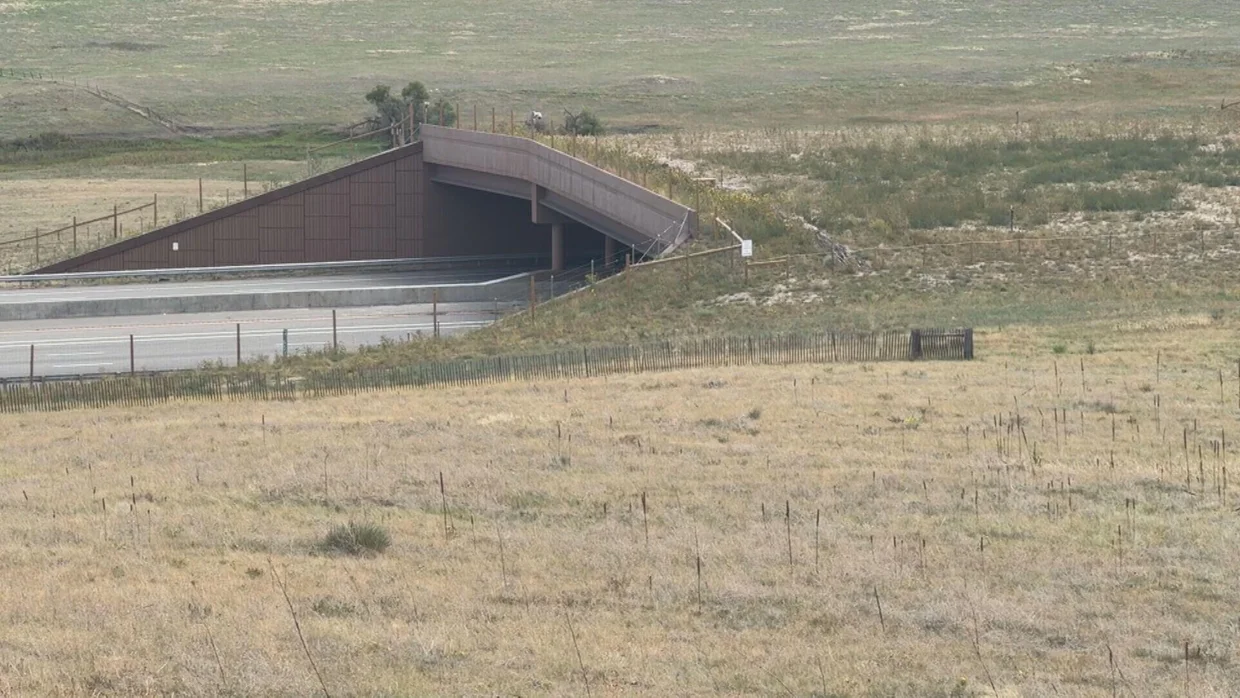
Colorado’s mountain roads have long been a natural migration corridor for large wildlife such as red deer, black-tailed deer, and mountain lions. With the steady increase in local traffic volume in recent years, the accident rate of collisions between vehicles and wild animals has remained high, which not only caused a large number of wild animal casualties, but also brought serious safety hazards and huge economic losses to passing drivers and passengers. The newly built giant wildlife overpass is more than 100 meters wide, and the bridge deck is completely covered with local native vegetation, soil and rocks. It visually and ecologically simulates the natural ridge to the maximum extent, allowing wild animals to seamlessly and fearlessly cross the busy highway below.
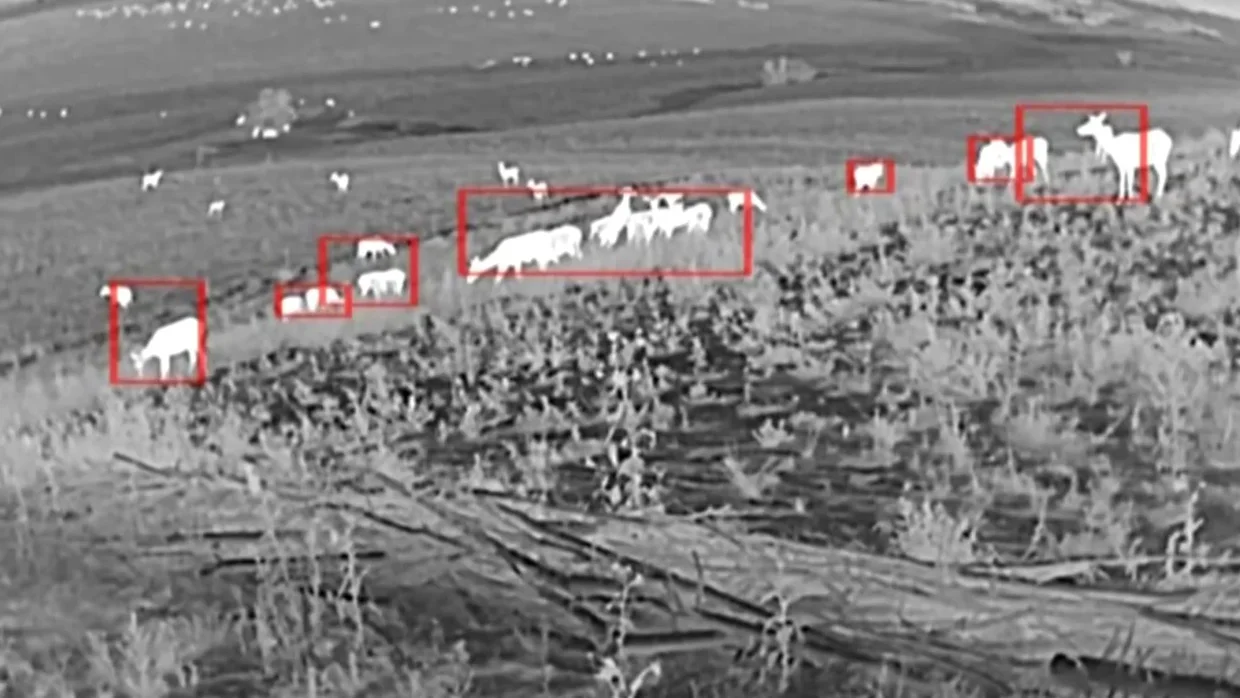
In addition to the main frame of the arch bridge spanning the highway, the ecological project also includes miles of high-strength guide fences and underground drainage culvert corridors. Guide fences can effectively prevent wild animals from directly entering the main road and guide them along safe routes to overpasses or underground culverts to cross the street. Project monitoring data shows that similar isolation facilities previously deployed in pilot areas have successfully reduced the number of car accidents involving wild animals by nearly 90%, fully verifying the practical value of this infrastructure solution.
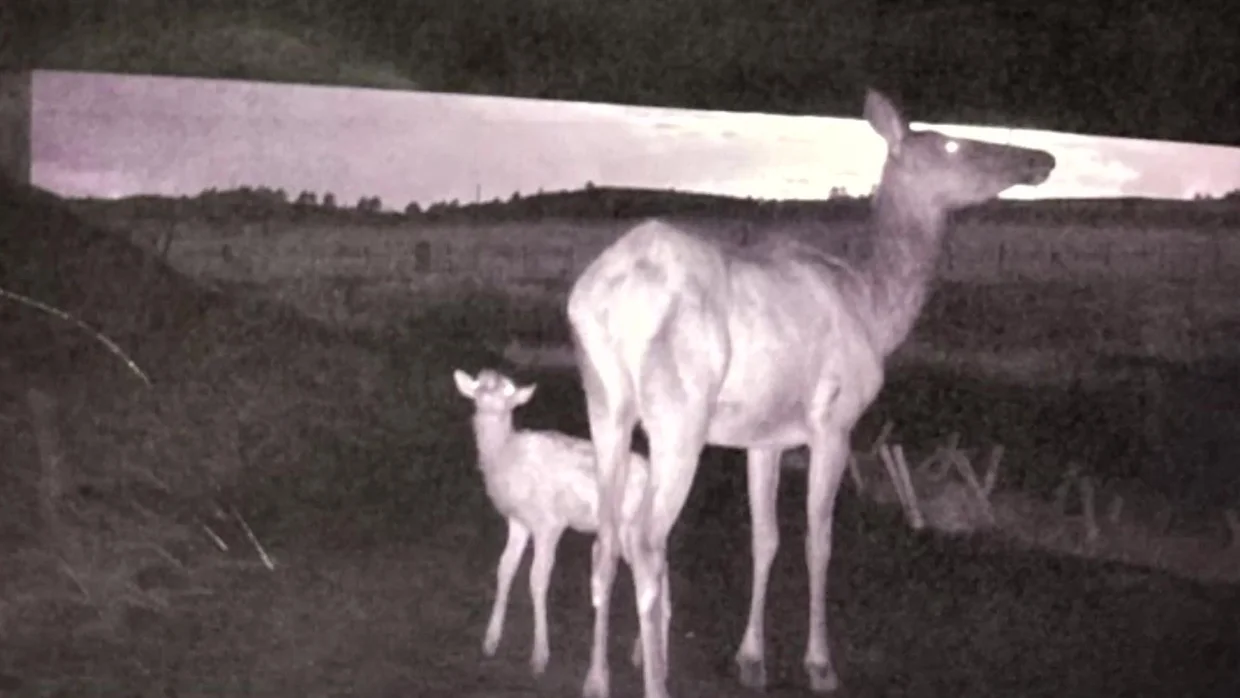
The project leader said that the completion of this largest wildlife overpass in North America is not only a milestone in the integration of ecological protection and traffic safety in Colorado, but also provides a model for other transportation arteries at the intersection of wildlife habitats across the United States and around the world. With the natural growth of vegetation on the surface of the overpass and the development of wild animal habits, ecologists expect that this facility will effectively restore the genetic exchange of wild animals separated by highways and create a more harmonious and symbiotic ecological environment while ensuring the efficiency of highway transportation.
Comments