
Abstract:
The environmental controversy caused by Google's construction of an artificial intelligence data center in Finland continues to ferment. Finnish regulators have asked Google to suspend preparations at some sites because of the large-scale clearing of forests before completing necessary environmental impact assessments. Local residents also said that after the forest was cut down, wild animals lost their habitat and food sources, and wolves began to enter nearby villages, which worried the community residents.
According to reports from The Guardian and technology media Futurism, Google plans to expand artificial intelligence infrastructure construction in Finland, and related projects involve places such as Muhos and Otanmäki in the north. Google previously announced that it will invest approximately 13 billion euros in Finnish digital infrastructure over the next two years, which is one of the company's largest single investment plans in Europe to date.
However, the forest clearing work during the project has triggered strong reactions from local environmental groups and residents. According to relevant reports, about 330 hectares of forestland in Muos has been extensively logged, and ecologists estimate that about 250,000 trees have been cleared. About 200 hectares of forest at another Otanmaki project site were also affected, and an estimated 150,000 trees were cut down. The two sites together involve approximately 530 hectares of land, equivalent to approximately 1,300 acres.
The Finnish Licensing and Inspection Authority subsequently asked Google's project company Tuike Finland Oy to suspend preparations for data center projects related to Muos and Kajaani that may significantly change the environment until the necessary environmental impact assessment procedures are completed. Regulators noted that the work involved not only cutting down trees but also removing topsoil, building construction roads and storage areas, and changing features such as ditches. These activities may cause significant changes to local ecosystems before their environmental impacts are fully assessed.
The Finnish police have also launched a preliminary investigation into the preparations for the Muos project to determine whether there are any violations sufficient to initiate formal pre-trial proceedings. It should be noted that the regulatory agency's request to suspend construction and the police to conduct a preliminary investigation does not equate to a criminal conviction by the court.
Google admitted that in this incident, the company failed to meet the high standards it has set for itself. Google Finland head Antti Järvinen apologized for the controversy over forest clearing and said the company was working based on an understanding of relevant laws. The company said it had conducted some environmental investigations and would comply with regulatory requirements.
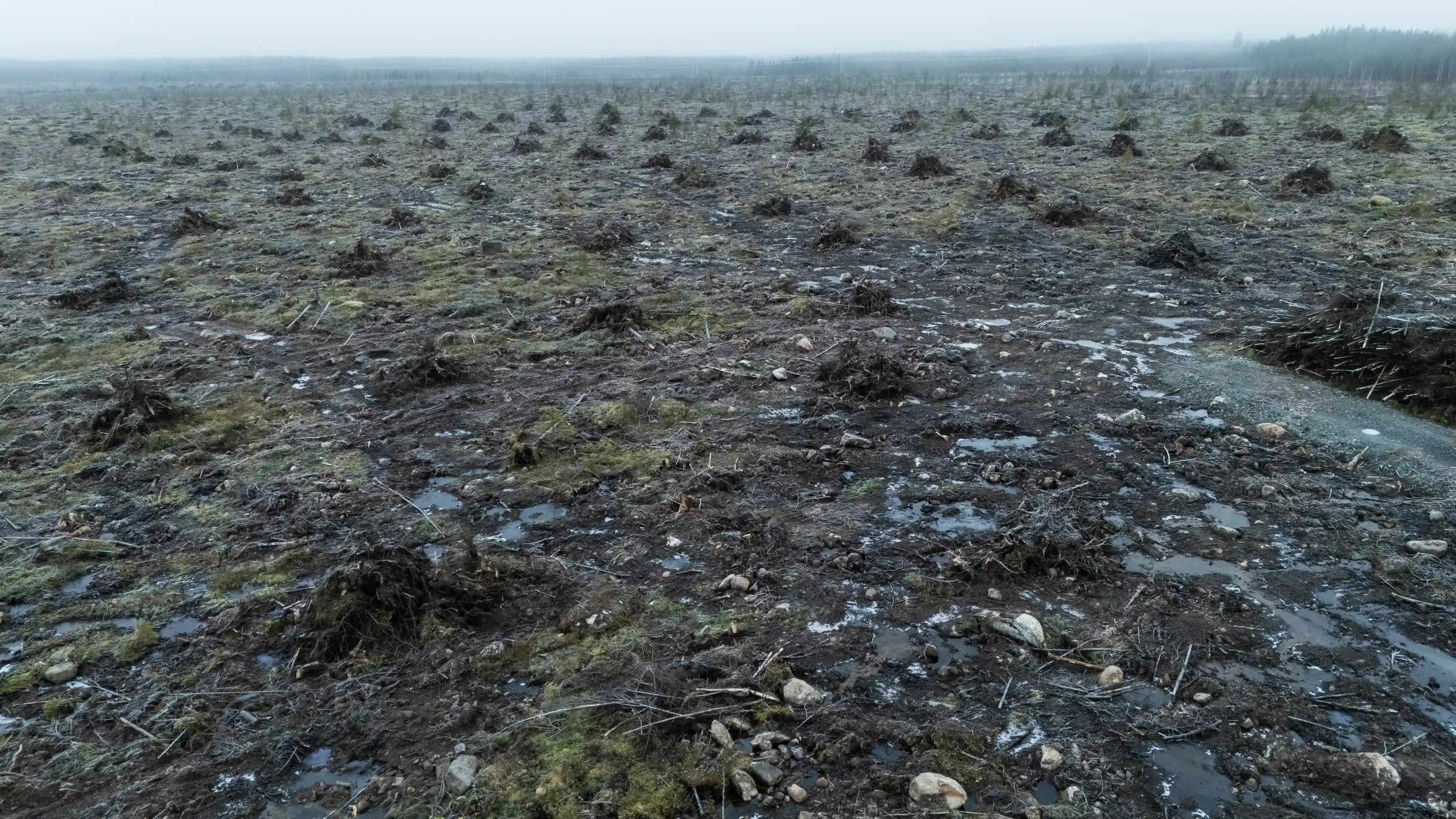
Google has also proposed some ecological restoration plans, including planting trees on about 130 hectares of land in Muos. However, environmentalists believe that replanting trees cannot immediately restore the ecological functions of the original forest. Mature boreal forests are not just trees, they also provide habitat for birds, mammals and other wildlife and participate in soil, water and carbon cycles. Even if saplings are replanted, it may take decades to form an ecological structure similar to the original forest.
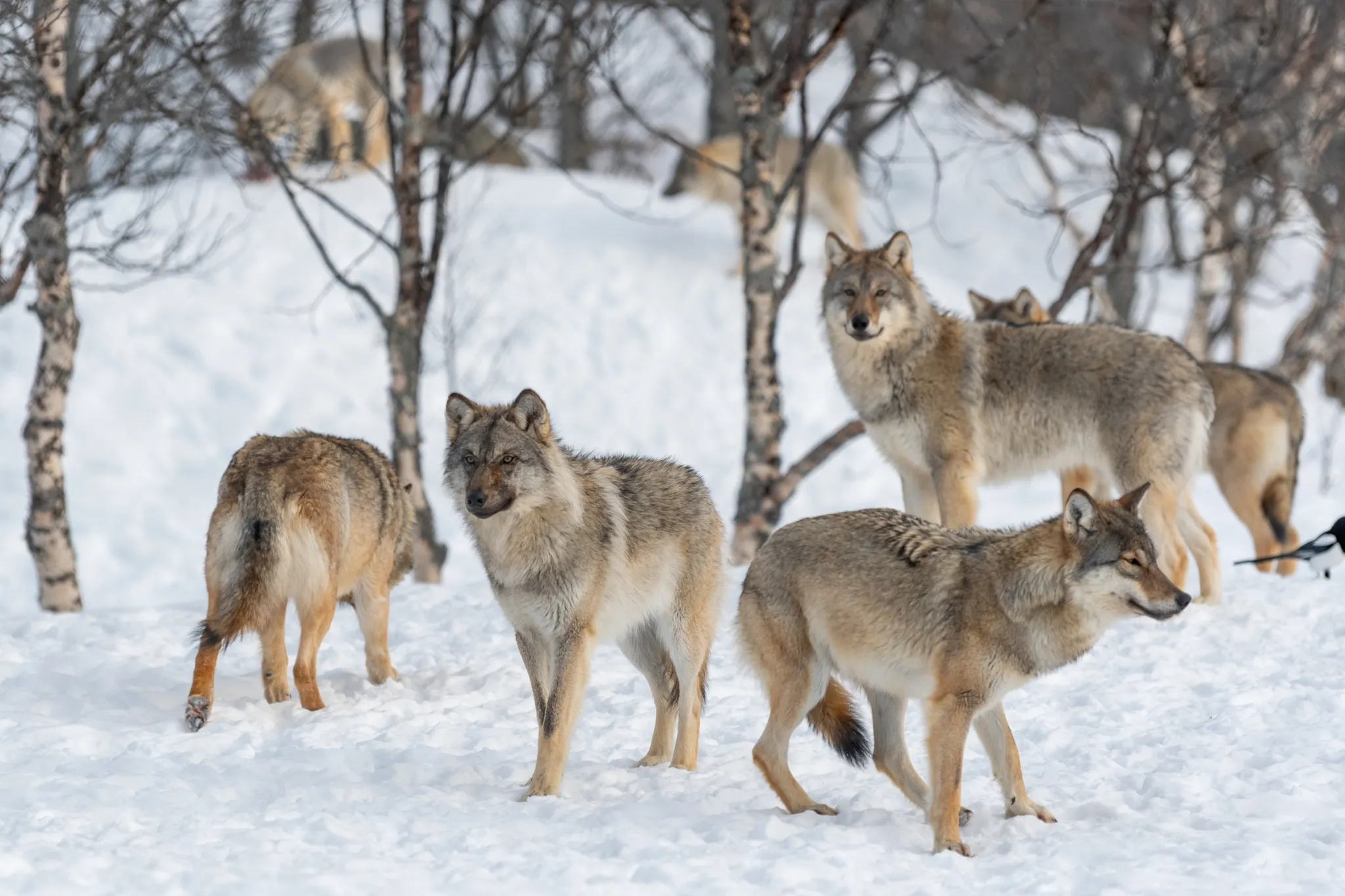
The situation of wolves entering nearby villages has become one of the important reasons for local residents to express concerns. Anne Ranta, a resident of Otanmaki, told the Guardian that wolves began to move into the village after the wild animals in the forest left. She believes that the destruction of the animals' original habitat may force them to find new activity areas and food sources. Ranta's family has lived in the area for generations, but the controversy has her considering leaving.
However, current public reports are mainly residents' descriptions of local changes, and it cannot be concluded that all wolf activities are directly caused by deforestation. The activity range and foraging behavior of wolves are also affected by various factors such as prey quantity, season, weather and human activities. Nonetheless, large-scale forest clearing does have the potential to alter wildlife habitats and increase contact between human areas and wildlife ranges.
In addition to wildlife issues, local residents also expressed concerns about the impact of construction on water and soil. Some residents said that the brown water flowing out of the construction site entered nearby streams and eventually flowed into the Oulu River system. Environmentalists point out that clearing large areas of vegetation and topsoil could increase the risk of surface runoff and sediment entering water bodies. Relevant impacts still need to be further confirmed through environmental monitoring and regulatory investigations.
This controversy has also brought Finland’s artificial intelligence data center construction plan under wider scrutiny. Finland has a relatively cool climate, stable infrastructure, and abundant land resources, making it suitable for building data centers that require large amounts of power and cooling capabilities. As the demand for artificial intelligence training and inference grows rapidly, more and more technology companies are looking for new data center locations in Europe.
The Finnish government has previously actively welcomed Google's investment, believing that large-scale digital infrastructure projects can help attract capital, create jobs and promote economic development. But after the forest clearing incident, more and more residents began to question whether the economic benefits brought by data centers were enough to offset the ecological damage, increased power demand and costs borne by local communities.
As of the time of the relevant report, more than 93,000 people have signed a citizen initiative calling for strengthening the supervision of data center projects and exploring charging fees to related companies to compensate local communities for environmental damage and resource consumption. The initiative also proposes that the government should ensure that data centers do not threaten the security of power supply or unreasonably push up the cost of electricity for residents and other industries.
This problem is not unique to Finland. In some areas of the United States, conflicts have also emerged between the construction of data centers and the protection of ecological environments such as forests and wetlands. As the scale of artificial intelligence infrastructure continues to expand, project site selection, energy supply, water use, and environmental assessment are becoming real issues that technology companies must face.
From Google's perspective, Finland is an important region for its expansion of European artificial intelligence infrastructure layout; but from the perspective of local residents and environmental organizations, economic investment does not mean that companies can bypass the environmental assessment process. The core dispute in this incident is the apparent conflict between the construction speed of large-scale technology projects and environmental regulatory requirements.
At present, the environmental impact assessment and regulatory investigation of relevant sites are still the key to determining the subsequent progress of the project. Google stated that it will comply with regulatory requirements and promote ecological restoration measures, but whether these commitments can effectively respond to the concerns of local society requires further observation.
As the artificial intelligence industry's demand for data centers continues to grow, how technology companies can expand computing power while protecting forests, wildlife and local communities will become an increasingly difficult question to avoid. This incident in Finland shows that data centers are not just a collection of servers, chips and power facilities. Their construction will also have an impact on the surrounding land and ecosystems, and these impacts must be fully assessed before the project is launched.
Comments