
Abstract:
There are new developments in the legal dispute between OpenAI and Apple over trade secrets. OpenAI recently submitted documents to the court stating that the company itself is also a victim of trade secret theft, and hinted that Apple’s artificial intelligence hardware projects promoted in recent years may be affected by related confidential information leaks.
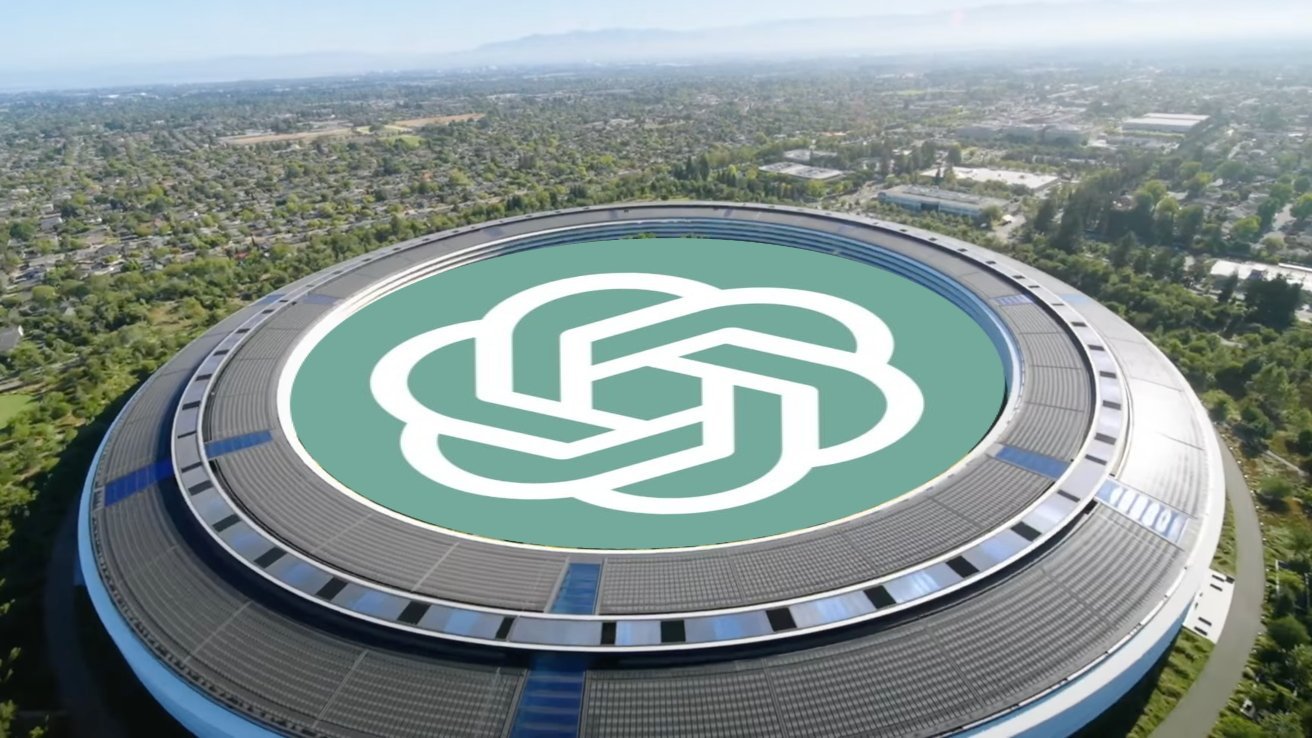
According to OpenAI, while cooperating with the investigation of a trade secrets lawsuit initiated by Apple, the company discovered that an employee was suspected of bringing OpenAI internal information back to Apple. This employee originally worked at Apple, then joined OpenAI for about six months, and returned to Apple in 2026.
OpenAI pointed out that the employee retained relevant information about an unreleased hardware device when he left the company, and the content was stored in his personal account. The relevant documents are said to include product images, engineering design information, supplier information, manufacturing data, and technical specifications such as exterior treatments and sealing materials.
OpenAI believes that this incident is very similar in nature to Apple’s previous accusations of former employees stealing trade secrets. The company also tried to connect the leaked information with Apple's HomeView product, believing that some of the information may have affected Apple's AI hardware layout.
In court documents, OpenAI stated that the relevant demonstration activities seemed to have occurred several months ago, and said that after obtaining this information, Apple was increasing its investment in artificial intelligence products.
OpenAI also claimed that the employee had introduced relevant product plans to a vice president of Apple's Asia business operations department and stated that it had raised concerns with Apple about this issue.
Apple denies these accusations. Apple said there was no evidence that the theft or information reporting had occurred. At the same time, Apple emphasized in interviews with the media that the company has comprehensive management policies and procedures to ensure that new employees will not use confidential information from OpenAI or other companies.
It is worth noting that OpenAI did not disclose the identity of the employee suspected of leaking secrets in the document, which is unusual in similar cases.
The background of this accusation is a trade secrets lawsuit launched by Apple in July 2026. Apple accused two former employees, Tang Yew Tan and Chang Liu, of illegally obtaining and retaining Apple’s trade secrets after leaving the company, and then using the relevant information to benefit OpenAI.
Apple said that after leaving the company, the two continued to use equipment and services provided by Apple to obtain internal information, and were suspected of exploiting system vulnerabilities to access information, send supply chain data to personal accounts, and require Apple employees interested in joining OpenAI to bring unreleased hardware products to interviews.
Based on these accusations, Apple sued the former employees involved and OpenAI at the same time in July this year. OpenAI has always denied the relevant claims and stated that the company has an internal system to prevent the leakage of trade secrets and improper use of competitor information.
In the past few months, both parties have continued to engage in legal attacks and defenses around trade secret issues. The latest news shows that the judge in charge of the case has partially approved Apple’s information disclosure request, allowing Apple to obtain some OpenAI information related to the employees involved. The formal opening time of the case has not yet been determined, but this high-profile corporate legal dispute is expected to continue to escalate as the two sides make new accusations against each other.
Comments