
Abstract:
French regulators and judicial authorities are stepping up scrutiny of smart glasses. The Paris prosecutor's office has launched a criminal investigation into suspected sexual harassment involving smart glasses, and the French data protection agency has also received complaints from many companies about smart glasses. As such devices rapidly become popular around the world, issues such as privacy invasion, sexual harassment, and unauthorized filming that they may cause are receiving increasing attention.
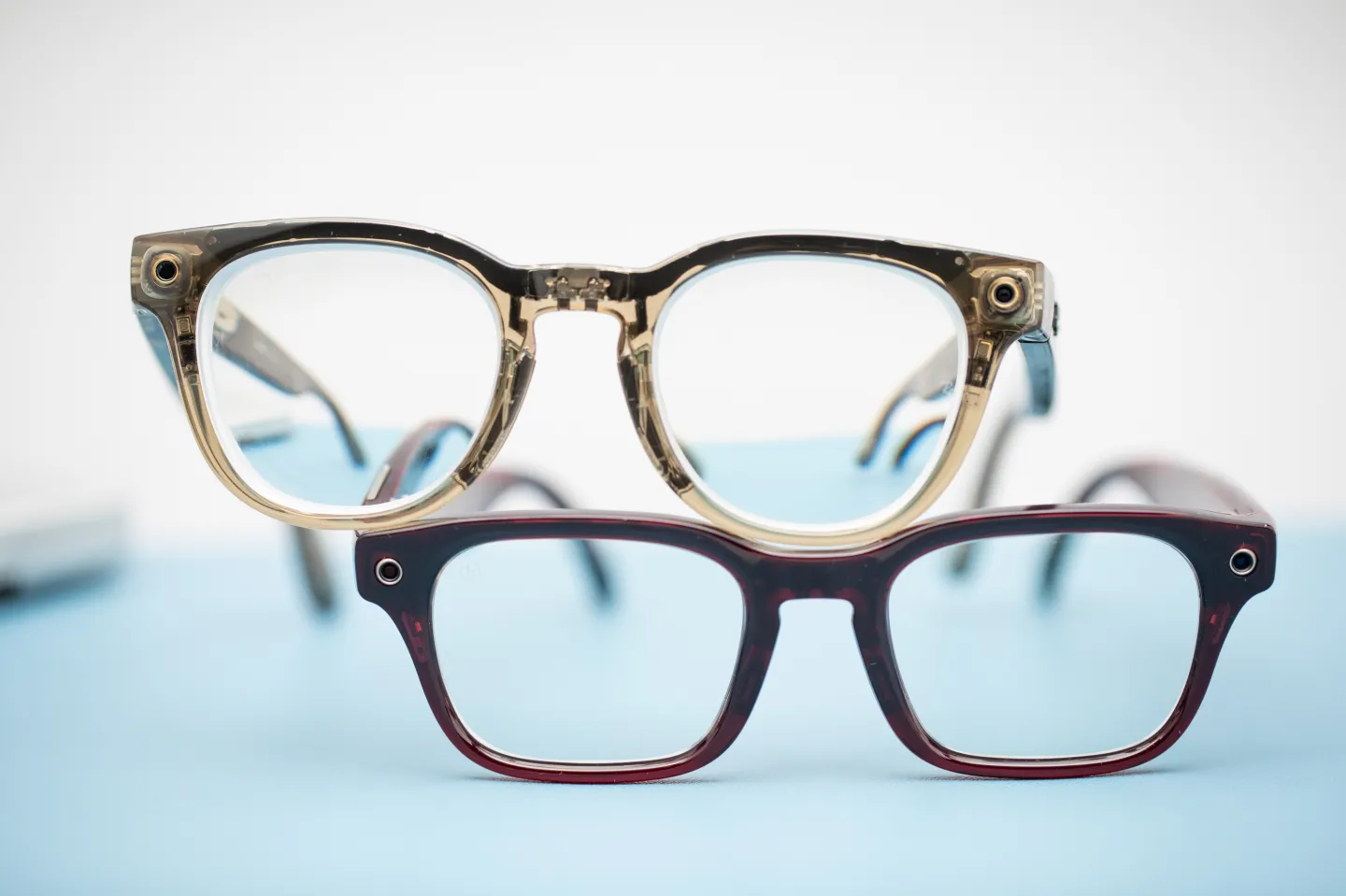
A number of smart glasses have appeared on the market. Among them, the smart glasses launched by the American technology company Meta and Essilor Luxottica dominate the market, with a global market share of approximately 76%. Meta’s AI smart glasses integrate a small camera into the frame, which allows the wearer to take relatively discreet photos. Global sales of this product reached approximately 7 million pairs last year, and the latest sales data released by Essilor Luxottica shows that the smart glasses business will continue to grow rapidly in 2026.
However, the growth in product sales has also been accompanied by increasingly stringent regulatory scrutiny. Current concerns for prosecutors, data protection regulators, human rights groups and companies include sexual harassment, internal corporate breaches and the use of smart glasses for unauthorized surveillance.
Some cinemas in the UK have banned audiences from wearing smart glasses. A German consumer rights organization has filed a criminal complaint against Meta and other companies involved in selling related equipment, believing that these products may involve violations of German privacy protection laws.
The Paris prosecutor's office confirmed to Reuters that at least one criminal investigation has been launched recently. The investigation stems from complaints of sexual harassment and involves a trend on social media in which men wearing smart glasses with cameras film women on the streets without their consent and then upload the videos online. Paris prosecutors did not disclose which brand of equipment the people involved were using.
Prosecutors did not release further details of the investigation, but said their cybercrime unit tested the smart glasses about two weeks ago to better understand what crimes such devices might be used to commit.
Meta stated that the company has incorporated privacy protection into the design of AI smart glasses from the beginning of product design, and said that as product functions continue to enhance, the company will continue to strengthen relevant protection measures. EssilorLuxottica did not comment on the matter.
The French National Commission for Information and Liberties (CNIL) said it has received less than 10 complaints related to the use of smart glasses in the workplace, but did not disclose which brands were involved. The agency also said that more and more companies are taking the initiative to inquire about whether smart glasses can be banned in the workplace.
Nacera Bekhat, head of economic affairs at CNIL, said smart glasses do pose practical challenges in informing others that they are being filmed and obtaining their consent if necessary. Since the appearance of smart glasses is getting closer to that of ordinary glasses, it may be difficult for others to tell whether the wearer is using the camera to take pictures.
Smart glasses equipped with cameras typically have a small indicator light on the frame that lights up when the device is taking a picture. However, human rights groups believe that relying solely on this indicator light does not really solve the privacy problem, because it actually transfers the responsibility of avoiding being photographed to the person being photographed.
Ines Legendre, a legal expert at the Internet security organization e-Enfance, pointed out that even if the indicator light is on, it does not mean that the person being photographed has consented to being recorded, nor does it mean that he or she has consented to their images being subsequently disseminated to thousands or more people.
Some rights groups also pointed out that women are currently the main victim group of harassment related to smart glasses. Ines Girard, who leads the technology-related gender violence project at the French feminist organization Hubertine Auclert, said the technology industry should do more to prevent devices from being misused for harassment and surveillance.
She believes that for a new technology that may be used to implement surveillance, those being monitored cannot simply be asked to be vigilant on their own, otherwise it will only place additional burdens on groups who are already more vulnerable to online harassment and attention in public spaces, including women, gender minorities, and others who are easy targets of violence and online harassment.
At the legal level, AI smart wearable devices are already subject to the relevant provisions of the EU's Artificial Intelligence Act and the General Data Protection Regulation (GDPR). These laws set requirements for the collection, processing and use of personal data.
Current French law also provides protection for personal privacy. Recording someone else's image in a private place without consent could lead to a jail term of up to one year and a fine of 45,000 euros. However, regulatory agencies and legal experts pointed out that in the social media environment, the actual implementation of relevant regulations is difficult, especially when the filmed content can be widely disseminated in a short period of time, the discovery, evidence collection and accountability of illegal activities will become more complicated.
As France tightens regulations, other countries and regions are beginning to take similar measures. The Australian government said this week it was considering a ban on the use of camera-enabled smart glasses in government workplaces, in what it believed could be one of the world's first bans on the use of smart glasses in government offices. Oslo, the capital of Norway, banned the use of smart glasses in schools last month, and the United Kingdom and Wales have banned the use of Meta smart glasses in courts.
As smart glasses gradually move from experimental products to the mass consumer market, the issues faced by regulatory authorities are also expanding from simple data protection to multiple areas such as shooting in public spaces, workplace privacy, sexual harassment, and potential crimes. Especially as cameras, microphones and artificial intelligence assistants are further integrated into ordinary-looking glasses, how to establish a clear boundary between convenience and personal privacy has become a new issue that regulatory agencies in France and other countries need to face.
Comments