
Abstract:
As technology giants such as Meta and Google continue to promote the development of AI glasses, a start-up company called Raven Resonance has launched a unique smart glasses product. The company's latest presentation of Raven Prism did not choose to rely on smartphones or a closed ecosystem. Instead, it positioned the product as a complete Linux computer that can be worn on the face, hoping to provide developers, creators, and users who value privacy with another smart wearable device option.

Raven Resonance calls Raven Prism the world's first "Ambient Computer." Unlike a large number of smart glasses on the market that rely on mobile phone connections to operate, this device can complete computing tasks independently and can be used normally without being continuously connected to a smartphone. The company believes that future computing devices should not be limited to desktops, pockets, or backpacks, but should be available whenever needed without continually interfering with users' real-life lives.
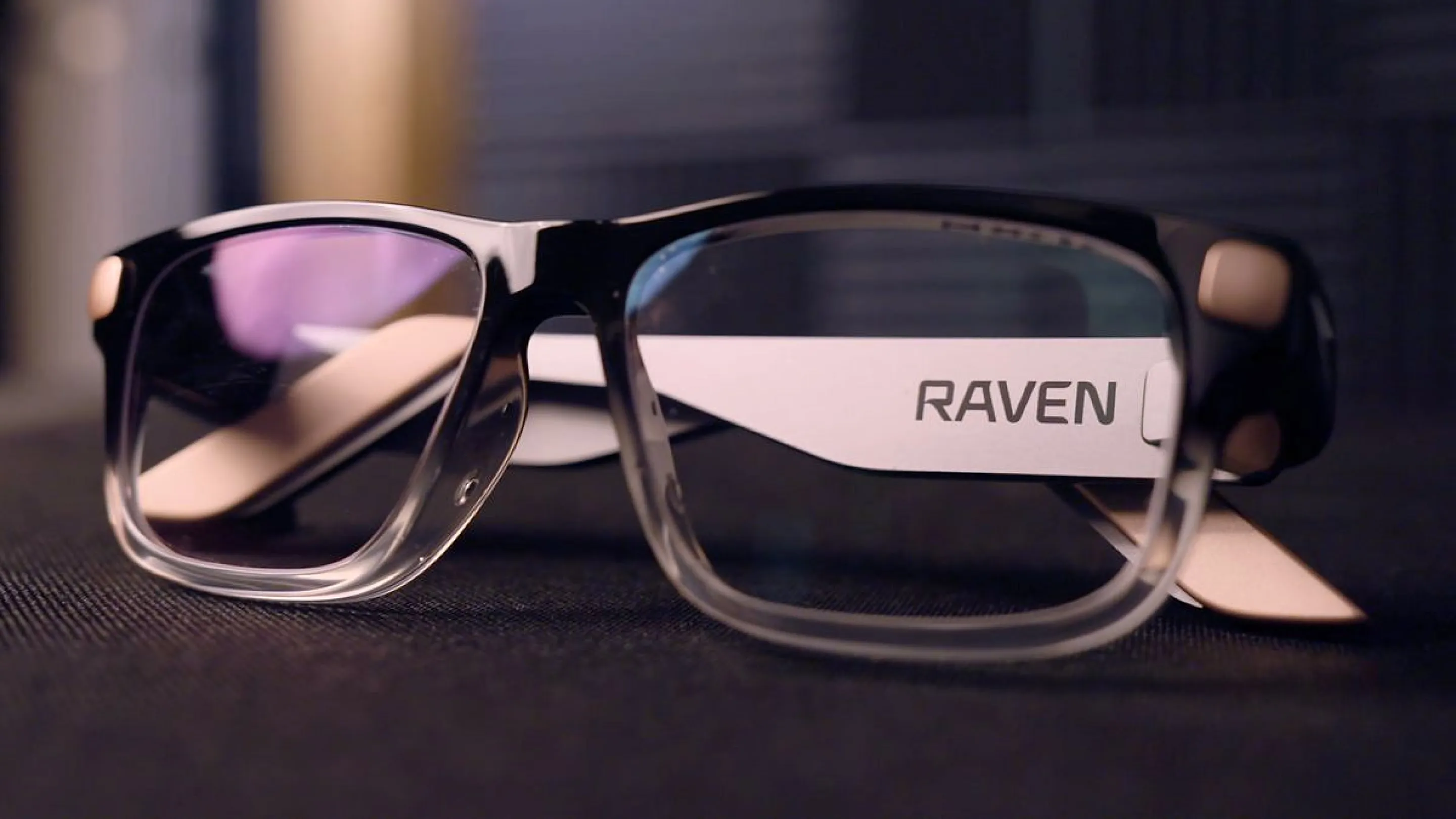
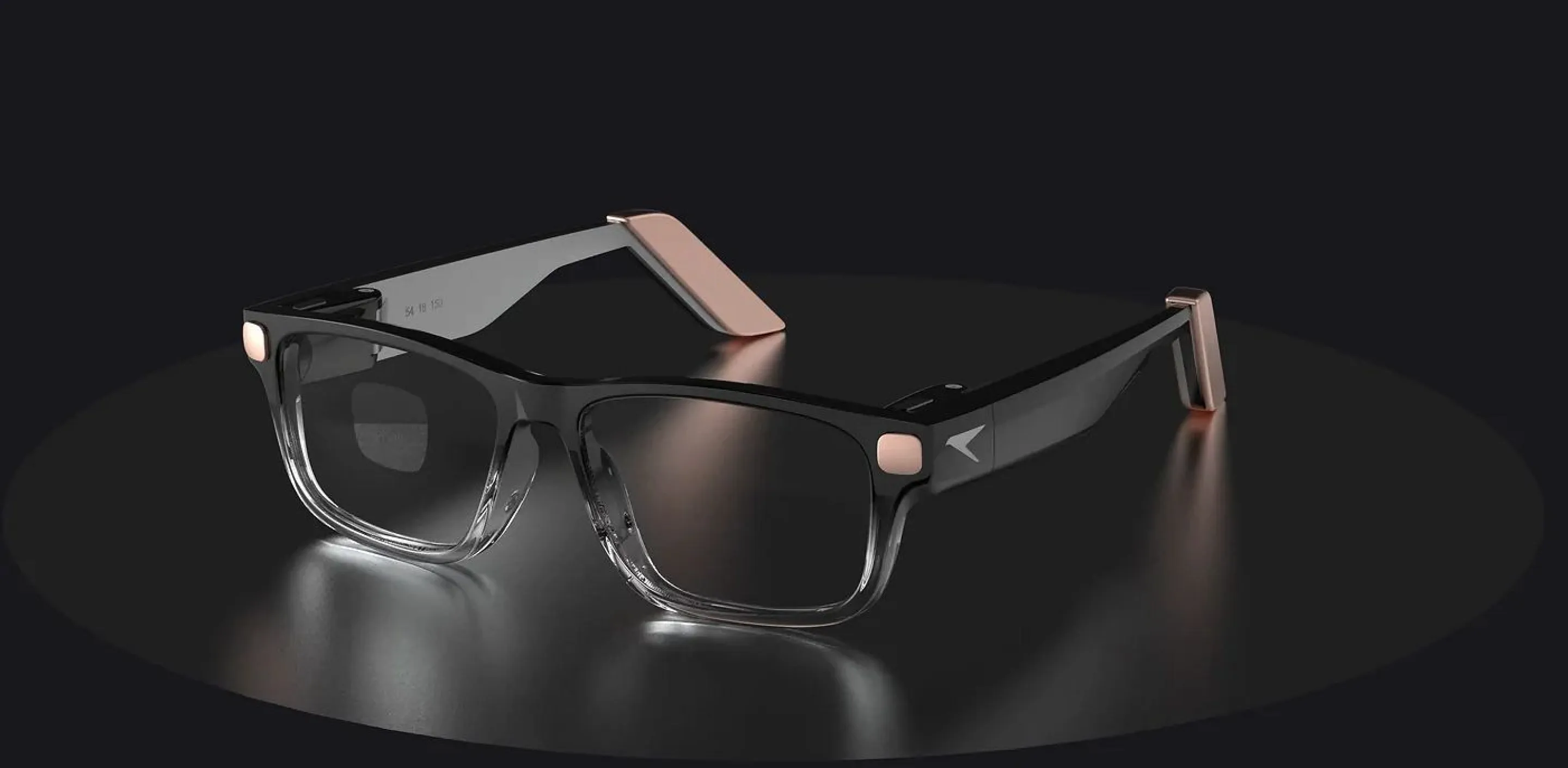
From the outside, Raven Prism looks similar to ordinary prescription glasses, but it integrates a complete computing platform inside. The product is equipped with a quad-core 64-bit ARM processor, equipped with up to 4GB of memory and at least 32GB of storage space, and runs the RavenOS operating system developed based on Linux. Not only can users run native Linux ARM64 applications, they can also gain SSH access and a high degree of system customization.
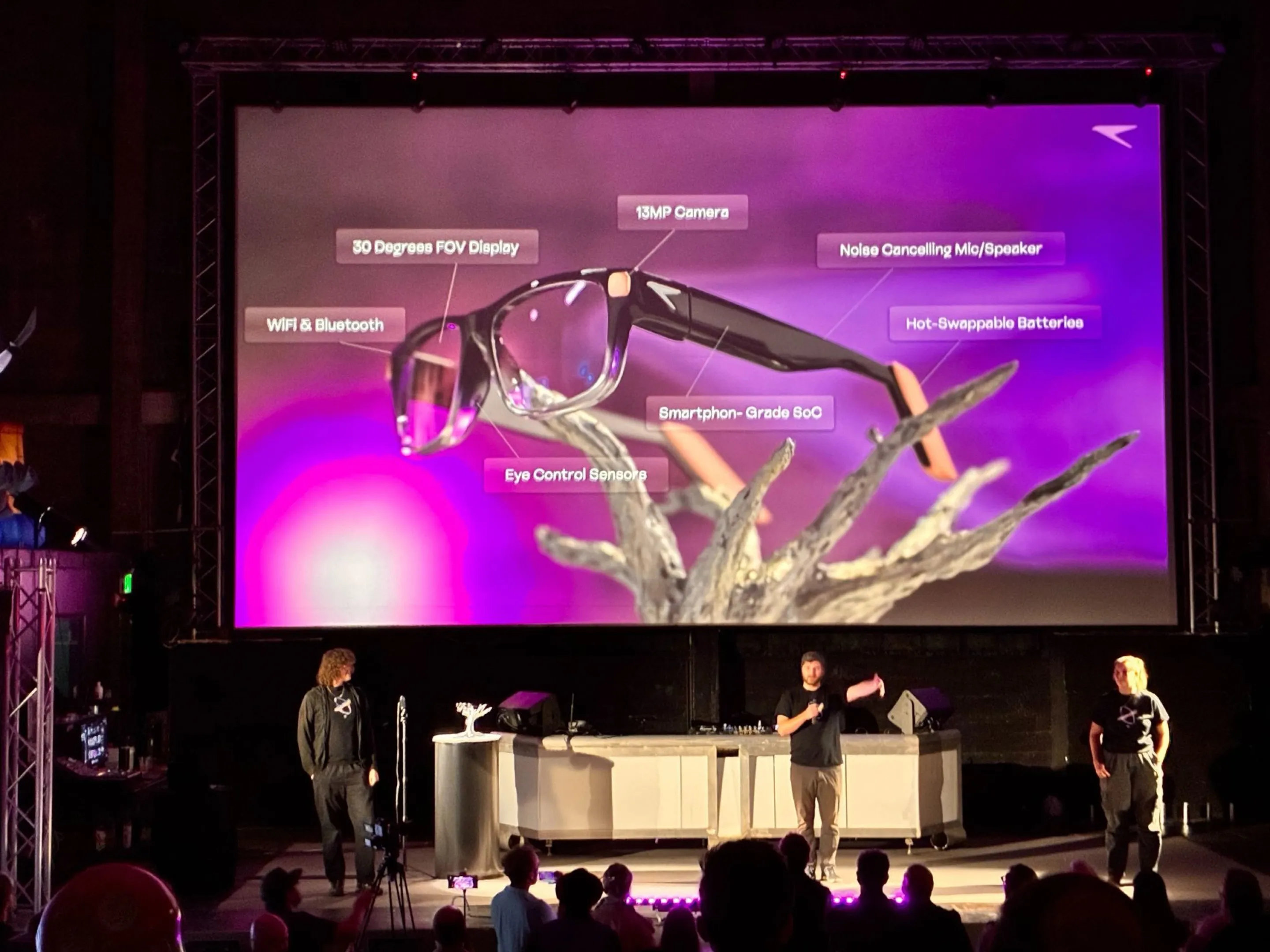
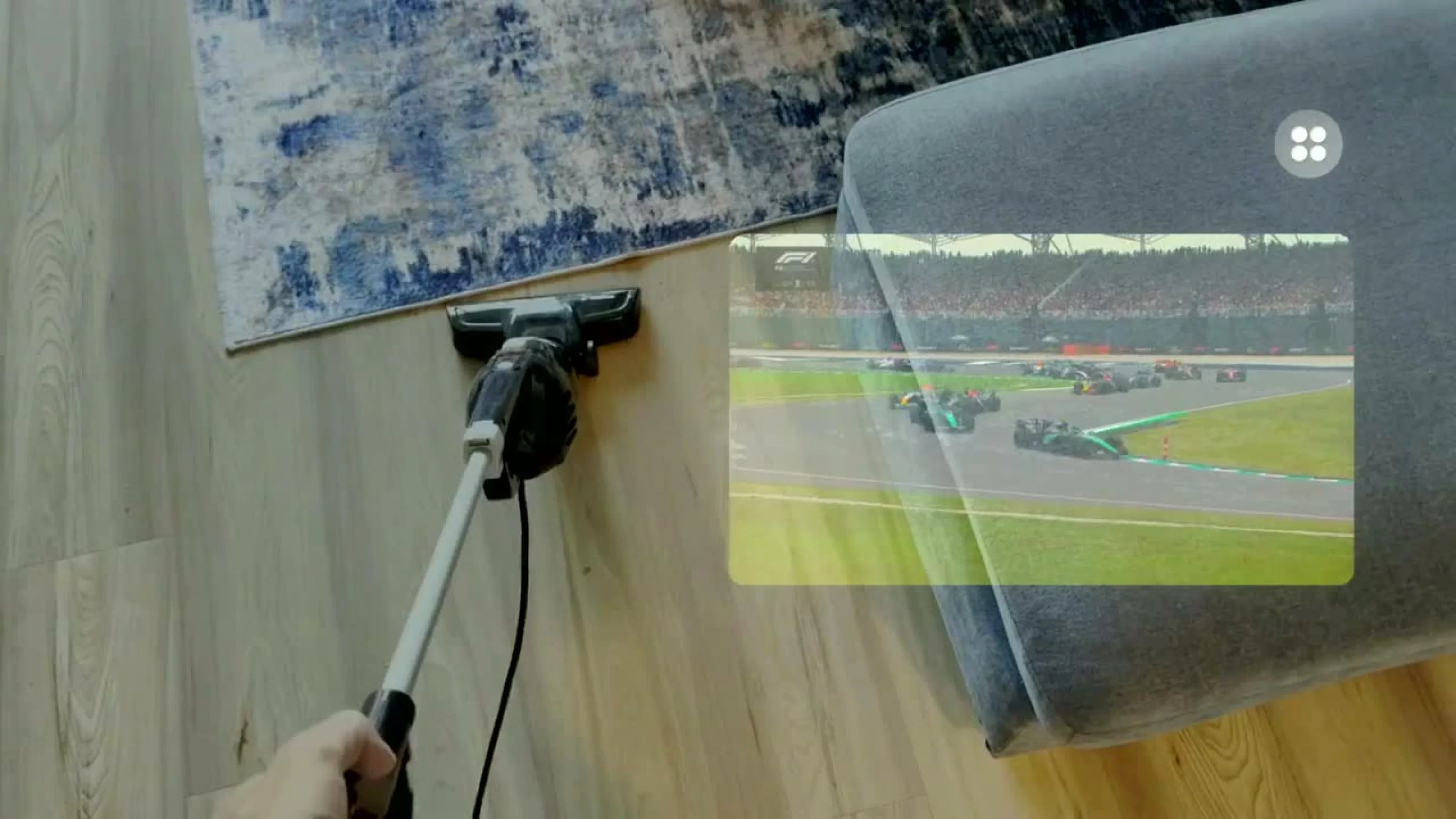
The display part adopts a single-eye design, and a full-color LCoS display projects information into the user's right eye field of view through waveguide technology. Officials say the effect is equivalent to viewing a 16-inch monitor at arm's length. Since the display area is located at the edge of the field of view, users can observe the real environment and digital information at the same time, thereby achieving a more natural interactive experience.
The control method is also one of the important features of Raven Prism. The device has a built-in eye tracking system, allowing users to complete navigation and selection operations through their eyes, and also supports voice control. Compared with frequently pulling out your phone or using a touch interface, this design can provide greater convenience when your hands are occupied, such as checking navigation information, browsing work materials, viewing menus, displaying boarding passes, or tracking to-do items.

The battery life design is one of the most talked about innovations of this product. Raven Prism uses a modular battery system called "Raven Wings", which allows users to directly remove the exhausted battery and install a new battery module without shutting down and restarting the device. Application status and work content can be kept running continuously. The company believes that this hot-swappable solution can effectively solve the problem of long-term insufficient battery life of smart glasses.
In addition to serving as a power supply module, Raven Wings also plans to expand more functions in the future. Officials revealed that different modules including cellular network communication, GPS positioning, and large-capacity batteries may be launched in the future to provide the device with richer expansion capabilities.
Privacy protection is also a focus of Raven Resonance. The company said that most of the data processing is done on local devices as much as possible. Eye movement data will not be uploaded to the cloud by default, and speech recognition will also be performed locally first. The device has a built-in 13-megapixel front camera, but it uses a mechanical lens blocking structure. Users must manually open the lens cover to enable the shooting function. At the same time, when the camera is running, the indicator light on the frame will clearly light up to remind people around you that the device is recording.

Raven Resonance emphasized that the company opposes surveillance business models that rely on user data for commercial operations and regards privacy as a core principle of product design. Users can decide when to enable the camera, when to send data to the cloud and which features allow access to personal information.
In terms of software ecosystem, Raven Prism plans to pre-install more than 25 applications and open access to the underlying system to developers. Unlike mainstream smart glasses that need to be reviewed by closed app stores, Raven hopes to attract developers to create and deploy applications directly on the platform, thereby creating a more open ecological environment.
However, this open concept also means that the product faces more challenges. Most of the current mainstream smart glasses on the market rely on the software ecosystem of large technology companies, while Raven Prism chooses an independent route and needs to establish its own developer community and application ecosystem. Whether it can attract enough software support will become an important factor in whether the product can gain widespread adoption in the future.

Currently, Raven Prism has started pre-orders and has publicly displayed prototypes. Although the final market performance still needs to be verified, under the industry trend of AI glasses generally relying on mobile phones and cloud services, this smart glasses that can independently run Linux systems, support hot-swappable batteries and emphasize local privacy protection will undoubtedly provide a completely different development idea for the rapidly developing smart wearable market.
Comments