
Abstract:
An international team led by The Ohio State University in the United States has reanalyzed the ice core of the Guriya Ice Cap in the northwest Tibetan Plateau and believes that the ancient ice preserved in it is at least 100,000 years old, and the entire climate record may be traced back to about 128,000 years ago. The relevant research, published in Science Advances, provides a rare long-term record outside the polar regions for studying climate changes in high mountain areas since the last ice age.
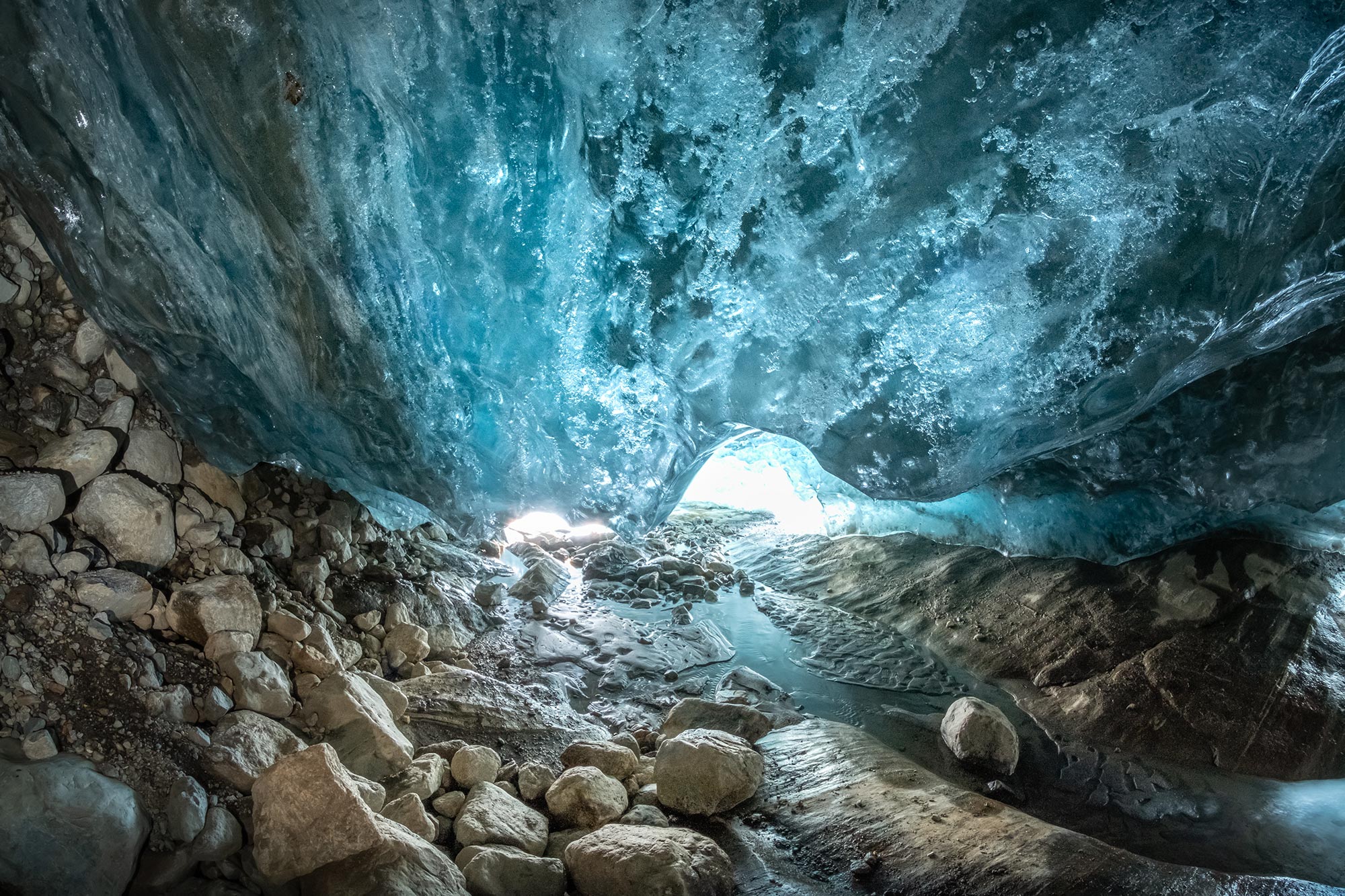
The team compared two ice cores drilled in the Guriya Ice Cap in 1992 and 2015, with lengths of approximately 308.7 meters and 309.7 meters respectively. The two ice cores showed similar patterns of oxygen isotope changes, which led the researchers to believe that the climate signal recorded by the ice is repeatable and not the result of chance caused by a single drill hole or sample.
To establish a chronological framework, the researchers analyzed the radionuclides beryllium-10 and chlorine-36 in the ice core and correlated the isotope changes at a depth of about 187 meters with the Lachon geomagnetic drift that occurred about 41,000 years ago. They then compared the oxygen isotope record of the ice core with another age-tagged ice core at the top of the Tibetan Plateau and the oxygen isotope record of cave stalagmites in southeastern China. They estimated that the time scale of the Guriya ice core may extend to about 128,000 years ago; the ratio of beryllium-10 to chlorine-36 supports that the age of some of the ice layers exceeds 100,000 years.
The snowfall, dust and chemical composition preserved layer by layer in the ice core can reflect the temperature, precipitation and atmospheric environment at that time. If this chronological framework is further verified, Gulia will become one of the few alpine ice core archives that preserves climate information from the last glacial period and earlier; for comparison, the ice core records of the Huascaran Mountains in Peru date back to more than 30,000 years ago.
However, the age of the Guriya ice core is still controversial. Another study in 2025, based on nearby ice cores drilled in 2021, concluded that the ice at a depth of 175 meters is less than 3,000 years old, which is significantly different from the previous estimate of about 100,000 years for a similar depth in a 1992 ice core. The new study points out that the ice layer where the 2021 borehole is located is thinner, and the topography and accumulation rate are also different from earlier boreholes. The paper also acknowledges that factors such as the possible migration of chlorine-36 will affect deep dating, and further research is needed to fully confirm the time scale of more than 128,000 years.
Comments