
Abstract:
The latest research shows that about 416,000 years ago, the ice sheet in northwest Greenland retreated significantly, and its edge was more than 97 kilometers further inland than it is today. The discovery, from ancient sediments buried deep within the ice, provides scientists with important clues about how climate warming is affecting the Greenland ice sheet.
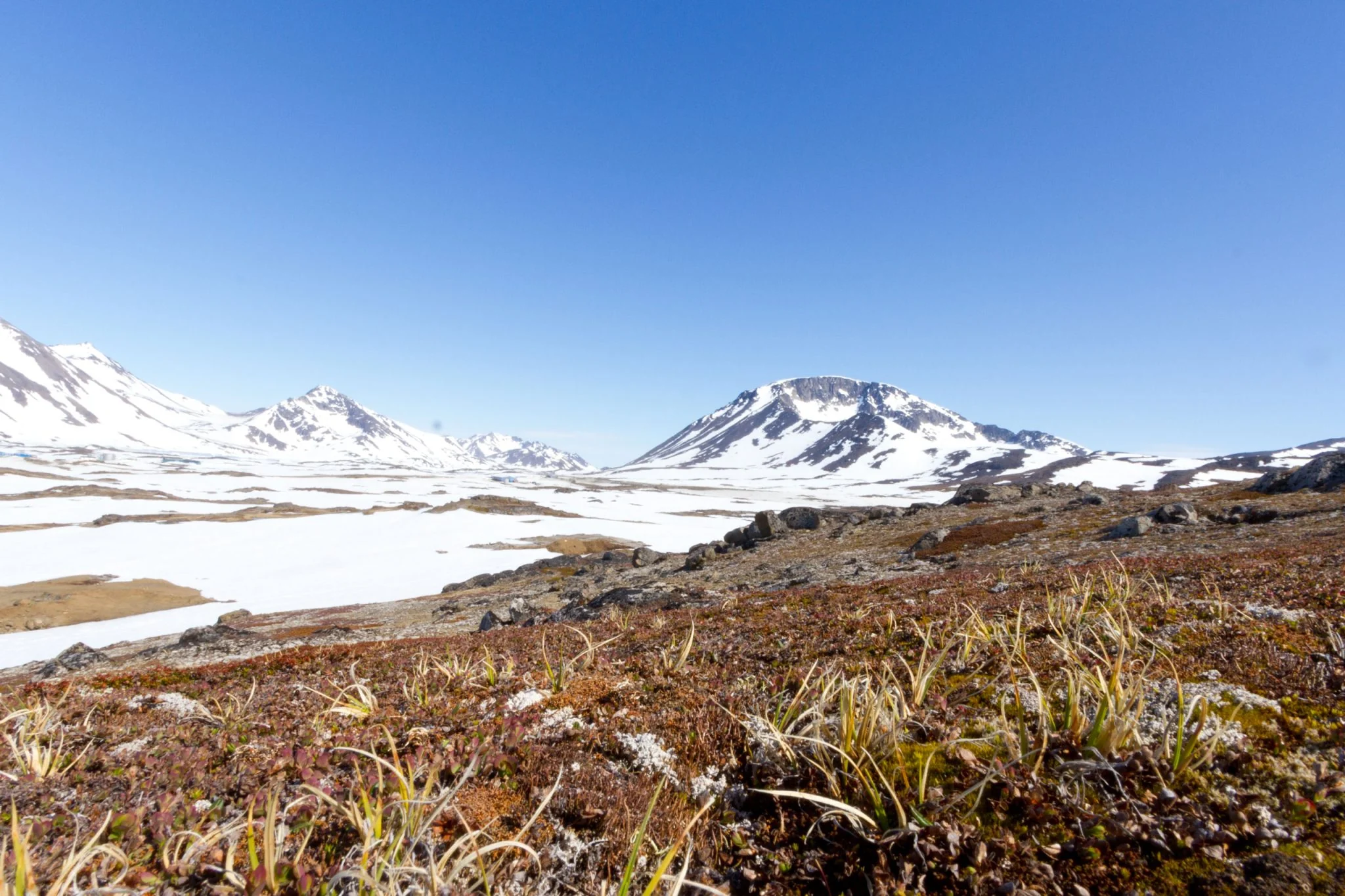
The study, led by a research team at the University at Buffalo, pointed out that the average summer temperature in some parts of Greenland at that time was about 4.7 degrees Celsius higher than it is today. Researchers believe that although this warming does not seem extreme, it coincides with a large-scale retreat of the ice sheet, indicating that the ice sheet system may be more sensitive to long-term climate change than people thought.
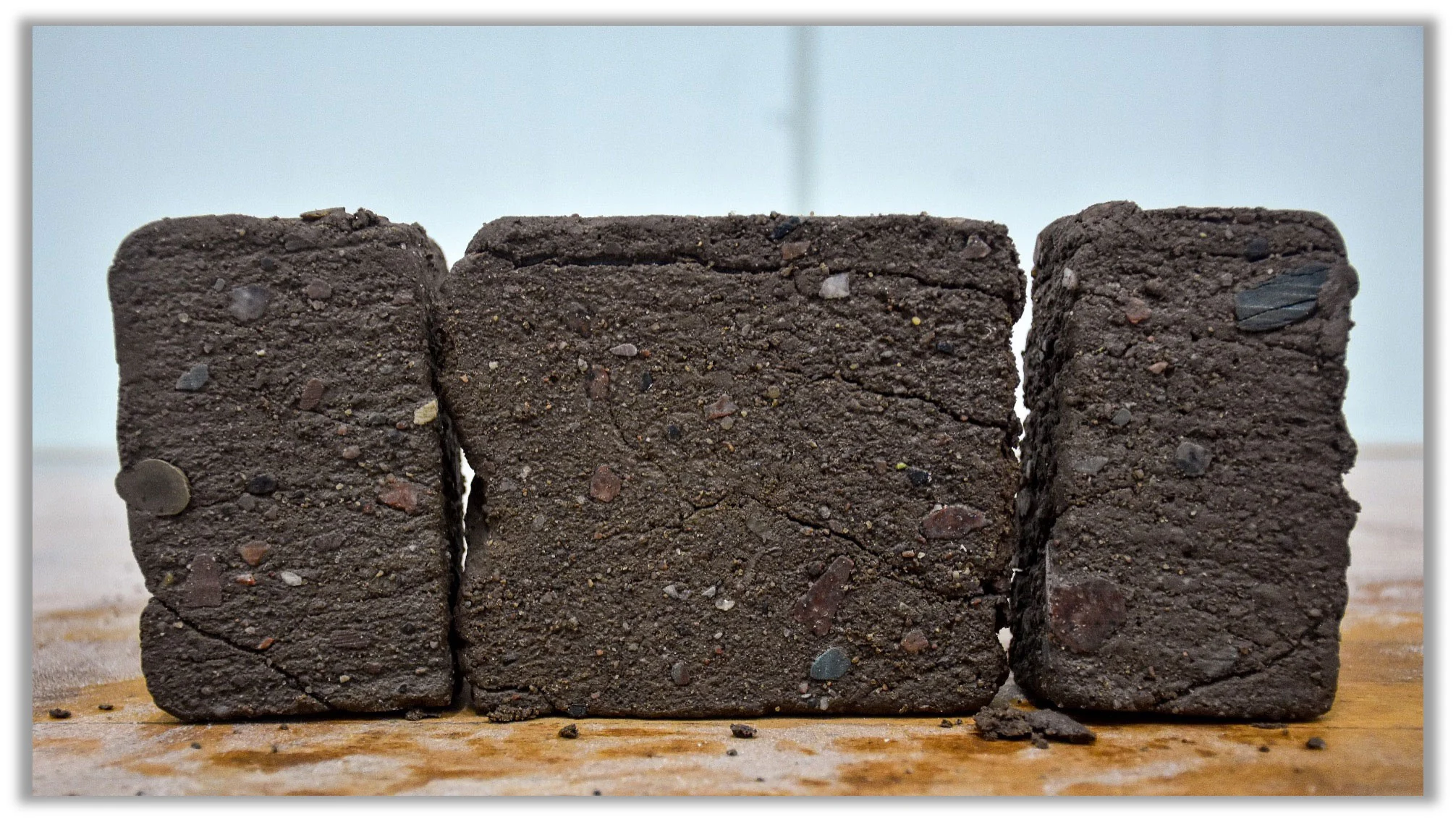
The research samples came from the famous "Camp Century" area. The site was originally a secret base built by the U.S. Army during the Cold War as part of the "Iceworm Project" project, which attempted to deploy nuclear missile systems under the Greenland ice. In the 1960s, scientific researchers drilled locally and obtained ice core and sediment samples about 1.6 kilometers deep. These sediments later became an important database for studying Greenland's paleoenvironment.
Previous research has confirmed that these sediments were last exposed to sunlight about 416,000 years ago. At that time, re-exposing the ground beneath Camp Century meant that the edge of the nearby ice sheet would have to retreat more than 97 kilometers from its current position.
In the latest study, the scientists further analyzed lipid molecules produced by bacteria and preserved to this day in the sediment. Because the composition and proportions of these molecules change as ambient temperatures change, the researchers compared them with similar molecules in modern Arctic lakes to reconstruct summer climate conditions at the time and obtain the first quantitative estimates of summer temperatures on land in Greenland during this period.
The research team pointed out that a phenomenon worthy of attention is that Greenland also experienced similar summer temperatures during the post-glacial period about 5,000 to 10,000 years ago, but the Century Camp area was still covered by ice at that time and did not retreat as significantly as it did 416,000 years ago.
Scientists believe that the most critical difference between the two warm periods may not be the maximum temperature, but the duration. The warm climate about 416,000 years ago may have lasted for tens of thousands of years, and the long-term accumulated heat gave the ice sheets more time to melt. Research shows that what determines changes in the ice sheet is not just how much the temperature rises, but also how long the high temperatures remain.
The research leader said that this result helps to understand the response mechanism of the ice sheet to the continued warming environment, and provides a reference for predicting the future development trend of the Greenland ice sheet.
This study also comes at a time when the scientific community is paying close attention to the future warming of the Arctic. According to projections from the United Nations Intergovernmental Panel on Climate Change (IPCC), under different emission scenarios, the average annual temperature in the Arctic may increase by 3.3 to 10 degrees Celsius by the end of this century compared with current levels.
However, researchers emphasize that direct analogies between ancient warm periods and modern conditions cannot be made. The current speed and intensity of global warming caused by human activities are higher than the natural warm period 416,000 years ago, and the high temperature state in the future may last for hundreds or even thousands of years. Therefore, both the magnitude and duration of warming will profoundly affect the future fate of the Greenland ice sheet.
It is worth mentioning that these precious sediment samples have been almost forgotten by history. In 1975, they were brought to the University at Buffalo for storage; after the mid-1990s, they were transferred to the University of Copenhagen, Denmark, where they remained in storage for more than 20 years. It wasn't until 2018 that an accidental cold storage arrangement brought these samples back into scientists' sight. Since then, the research team has continued to carry out analysis work and promoted continuous breakthroughs in relevant discoveries.
Researchers say that seemingly mundane molecular analysis work actually took years. In addition to measuring chemical composition, they must also consider the impact on temperature records caused by changes in surface elevation as the ice sheet thickens and retreats. It is these complex corrections that ultimately helped scientists reconstruct the true appearance of Greenland's ancient warm period, and also provided an important basis for humans to understand the possible long-term impacts of future global warming.
Comments