
Abstract:
A new study reveals why mosquitoes tend to bite certain people. A research team from Florida International University found that different mosquito species are attracted to completely different human odor characteristics. In other words, a person who is strongly attracted to one type of mosquito may not be attractive to another.
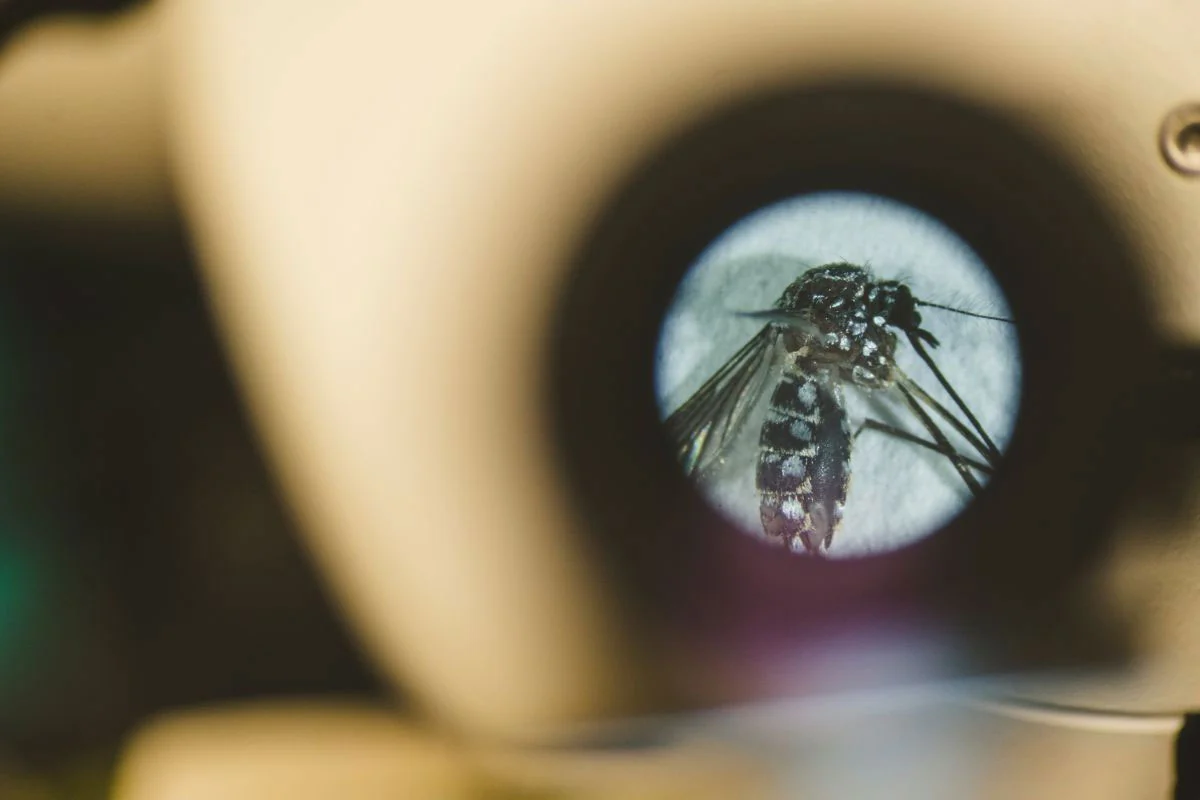
The researchers recruited 119 volunteers to conduct experiments, focusing on observing the preferences of three important vector mosquitoes for human bodies. All three mosquito species have been implicated in the spread of diseases such as dengue fever, Zika virus, yellow fever and West Nile virus. The results showed clear differences in the subjects each of the three mosquito species preferred, with no single participant able to attract all three species at the same time.
This discovery challenges the long-held belief that some people are naturally more attracted to mosquitoes. Research shows that mosquito selection is not uniform, but depends on how different species sense the chemicals released by human skin and the unique odor signals created by the skin's microbial communities.
In the study, the diurnal mosquito species known as Aedes aegypti was more likely to bite people who did not use additional fragrance products and whose skin lacked certain volatile compounds. At the same time, this type of mosquito shows a slight preference for men.
Another type of Asian tiger mosquito that is also active during the day shows a different choice, being more attracted to people whose skin releases higher levels of ketones and certain plant-like chemicals.
The southern house mosquito, which is more active at night, is mainly affected by skin microbiota. The bacteria, fungi and other microorganisms that live on the surface of human skin vary from person to person. The study found that the presence of certain bacterial families increases mosquito interest, while other microorganisms appear to inhibit mosquitoes from feeding.
Scientists point out that human body odor contains more than 1,000 volatile organic compounds, many of which still lack in-depth research. In order to find out which biological characteristics affect mosquito selection, the research team not only conducted attractiveness tests, but also simultaneously collected human odor samples and skin microbial samples for analysis.
The study, led by doctoral candidate Kelly Marrero, is the first to directly compare the responses of multiple mosquito species to the same group of subjects. The research team said they did not expect such clear differences in preference between mosquito species when the project began.
Marrero said that each mosquito species seemed to use different microbial signatures as clues to find a host, which surprised the researchers.
Study leader Matthew DeGenaro, director of the Biomolecular Sciences Institute and neurogeneticist at Florida International University, believes that these results are highly consistent with the connection between the composition of skin bacteria and human body odor. He said it is now clear that the human skin microbiota determines each person's unique odor "identity", and that different mosquito species have evolved their own ways of interpreting these odor signals.
Researchers believe that this discovery is expected to promote the development of a new generation of mosquito repellent technology. In the future, scientists may be able to design more precise repellents that target the chemical signals that specific mosquito species rely on, rather than relying on a "one-size-fits-all" approach.
The research team stated that if they can further determine which chemical components and microbial characteristics attract or repel specific mosquito species, it will be possible to develop more effective protection methods to reduce the risk of the spread of mosquito-borne infectious diseases. Future mosquito repellent products may even be customized based on the mosquito species that mainly transmit diseases in different regions, but the relevant results still need further research and verification before practical application.
This research result has been published in the scientific journal "iScience", which provides new scientific basis for understanding the complex chemical communication mechanism between humans and mosquitoes, and also lays the foundation for more precise mosquito-borne disease prevention and control strategies in the future.
Comments