
Abstract:
The screen configuration of Samsung’s next-generation flagship mobile phone Galaxy S27 series has been further exposed. According to Korean electronics industry news, Samsung Electronics and Samsung Display have determined that they will use the latest generation M16 OLED materials in the Galaxy S27 Pro and Galaxy S27 Ultra launched next year, while the Galaxy S27 standard version and S27+ will also usher in an OLED material upgrade after three years.
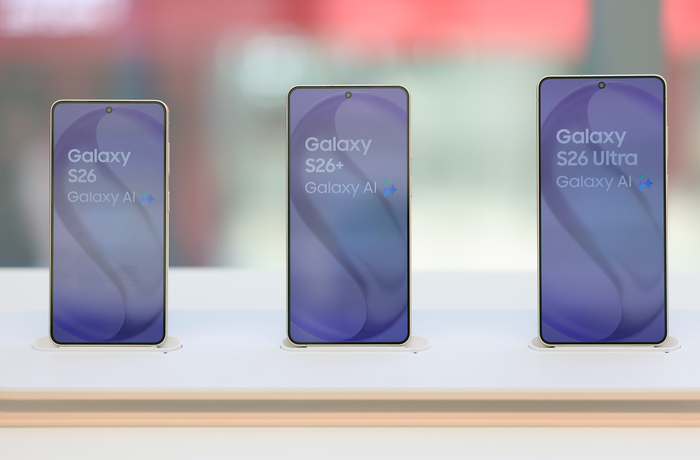
Industry news shows that Samsung S27 Pro and S27 Ultra will use M16 OLED materials in Samsung’s own Galaxy mobile phones for the first time. In contrast, the S27 standard version and S27+ will not use M16, but will continue to have certain screen specifications differences with high-end models.
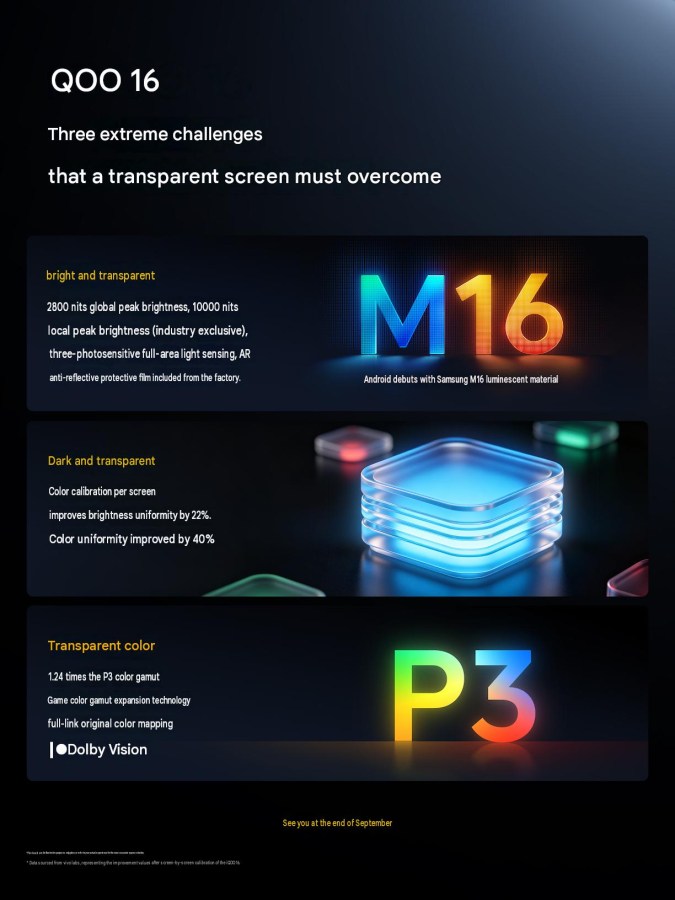
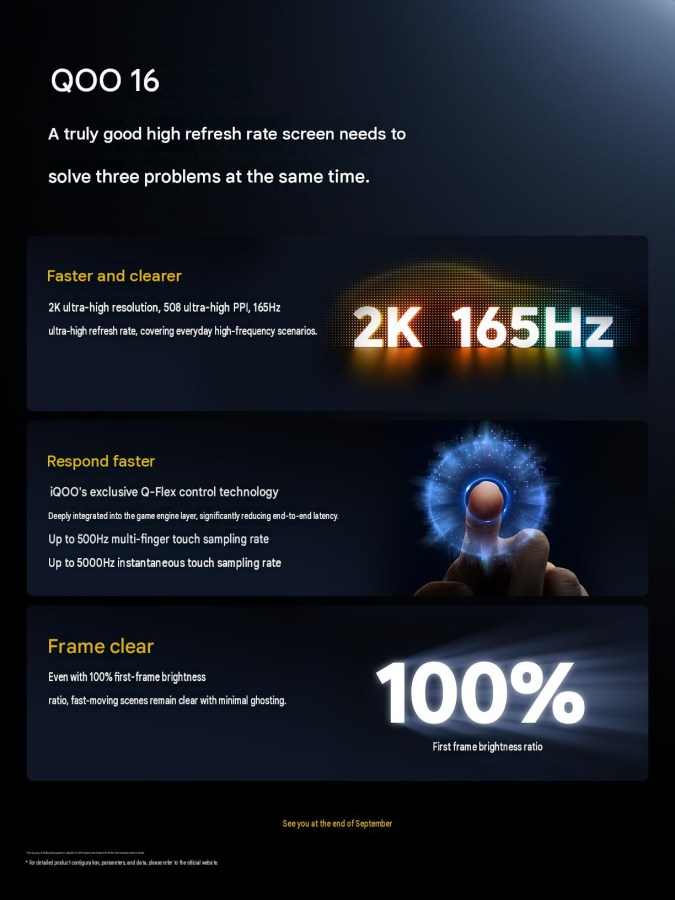
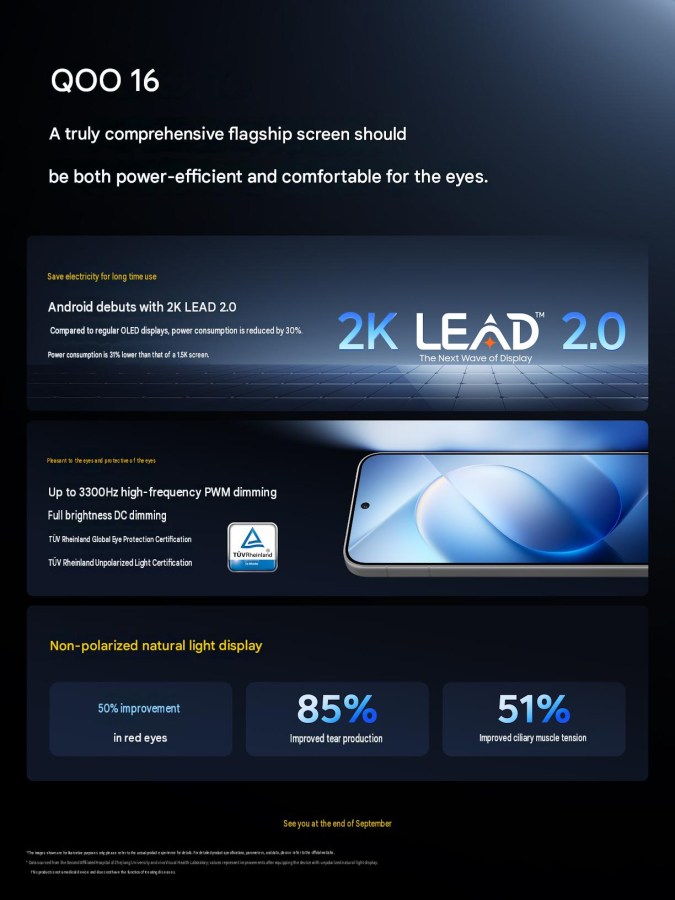
M16 is one of the latest generation OLED material systems of Samsung Display and has been used in many high-end smartphones. The iPhone 18 Pro and iPhone 18 Pro Max released by Apple in the United States on September 9 already use M16 materials, and the Pixel 11 series launched by Google last month also uses this generation of materials. In addition, the iQOO 16 launched by Chinese mobile phone manufacturer vivo at the end of this month is also expected to be equipped with the M16 OLED panel provided by Samsung Display.
The so-called OLED "material system" refers to a complete set of organic material combinations used to manufacture key structures such as OLED light-emitting layers. The color performance, brightness, lifespan and luminous efficiency that the OLED panel can ultimately achieve are closely related to the organic light-emitting materials used. Mobile phone manufacturers and panel manufacturers will combine and optimize different materials to form a so-called "material system."
Samsung Display uses "M" to represent Material, which is material, and distinguishes different generations of OLED materials through the numbers behind it. Typically, higher numbers mean newer material systems. As the material system is upgraded, the luminous efficiency, lifespan and overall display performance of OLED panels will also be improved.
For the Galaxy S27 series, M16 will become an important screen selling point for the two high-end models, Pro and Ultra. Industry insiders revealed that in addition to OLED materials, Samsung may also use COE, which is color filter packaging technology, and privacy display technology to further widen the product gap between S27 Pro, S27 Ultra and the regular version and Plus.
This means that Samsung may continue to strengthen the "grading" strategy within the Galaxy S series. Although the four mobile phones are all flagship products of the same generation, the high-end Pro and Ultra will have more advanced display materials and more screen-related technologies, while the standard version and Plus will adopt relatively mature solutions, resulting in more obvious differences in product positioning.
At the same time, the screen materials of the S27 standard version and S27+ will also see important changes. It is understood that these two models will be upgraded from the M13 material currently used in the S24, S25 and S26 series to M14.
M14 has previously entered Samsung's own smartphone product line starting with the Galaxy S26 Ultra. Therefore, if the S27 standard version and Plus adopt M14, it will mean that Samsung has further decentralized this generation of materials to the basic products of the S series for the first time.
From the perspective of product iteration cycle, this is also a relatively obvious upgrade of all OLED materials for the Galaxy S series in recent years. The past three generations of Galaxy S series have maintained M13 materials, while the S27 series will be upgraded to M14 and M16 respectively according to different positionings, which means Samsung will update the display material system of basic and high-end models at the same time.

This change may further affect Samsung’s future folding screen products. Samsung will use M13 materials in the Galaxy Z series for three consecutive years starting in 2024. If the Galaxy S27 series completes the OLED material upgrade, it is expected that the Galaxy Z9 series launched by Samsung in the second half of next year may also usher in a material system upgrade.
The Galaxy S27 series is expected to be officially launched in the first quarter of 2027. The currently exposed screen sizes are: Galaxy S27 standard version 6.27 inches, Galaxy S27+ 6.66 inches, Galaxy S27 Pro 6.47 inches, and Galaxy S27 Ultra 6.89 inches.
It is worth noting that current news shows that the entire range of Galaxy S27 OLED panels will be supplied by Samsung Display. This means that Samsung Display will continue to maintain its overall dominance in the screen supply of the new generation of Galaxy flagship machines.
Judging from the current product strategy, Samsung is further strengthening the technical distinction between different models of the Galaxy S series through OLED material iteration. The high-end S27 Pro and S27 Ultra directly use the latest M16, while the standard version and Plus are upgraded to M14. While controlling costs, the entire S27 series can also achieve a certain degree of improvement in display technology compared to the previous generation.
If this plan is finally implemented according to the current plan, the Galaxy S27 series will become Samsung’s flagship product with the most obvious OLED material upgrade in recent years. In particular, M16 will enter Samsung's own Galaxy mobile phone for the first time, which will enable Samsung to take the lead in applying its latest OLED material technology to its most high-end mobile products, and further compete with Apple, Google and other flagship mobile phones that have adopted new generation OLED materials in display technology.
Comments