
Abstract:
Imagine that when you take the elevator, the floor display goes from floor 1 to floor 2, floor 3, and then suddenly jumps to floor 20. You have never passed the floors in between. In the quantum world, electrons can also make similar energy jumps. Now, physicists have found a way to watch this process in slow motion.
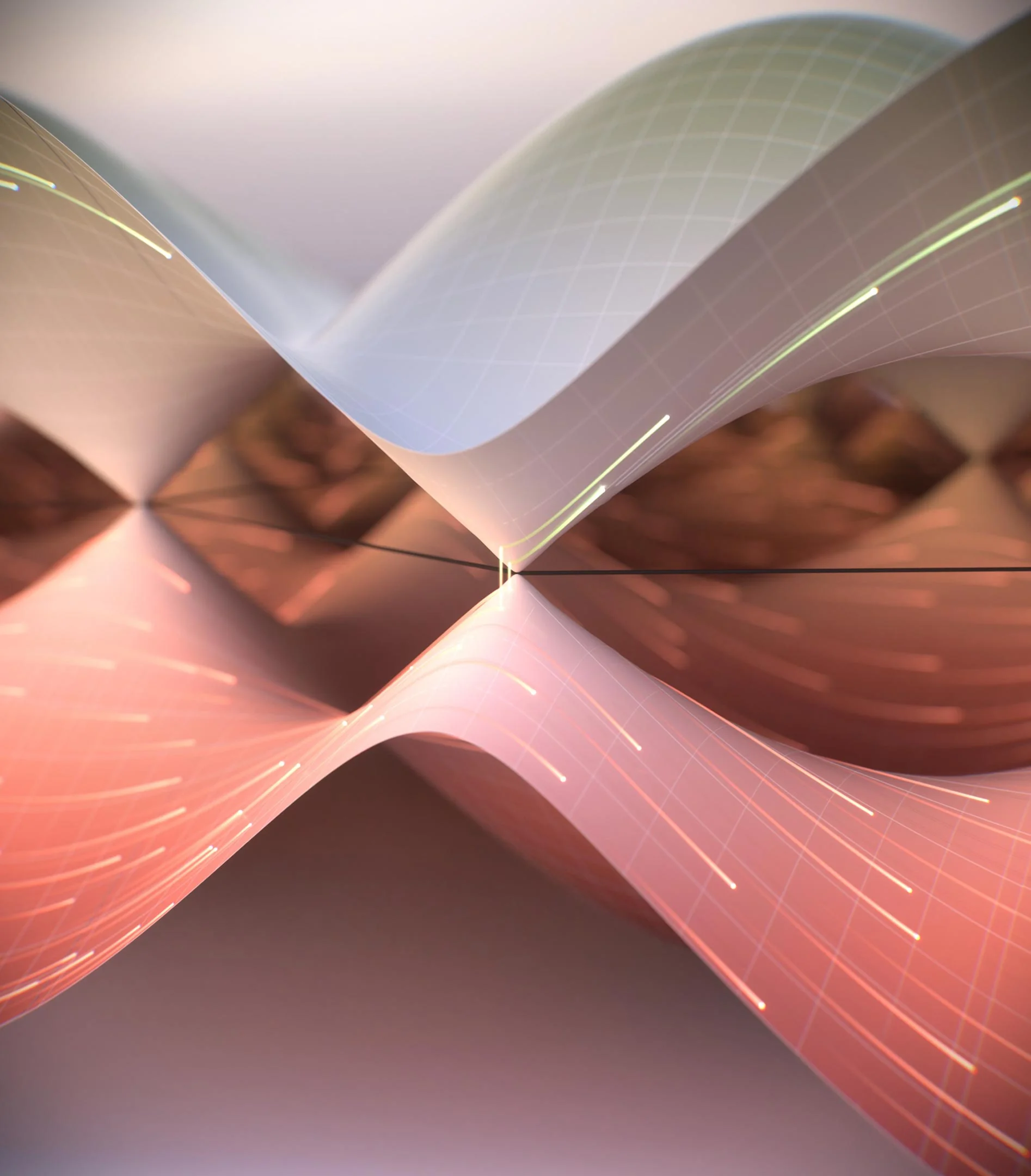
Researchers from the University of Regensburg, Philippe University of Marburg and the Jülich Research Center in Germany combined laser technology with electron microscopy to capture this abnormal behavior in graphene. Relevant results have been published in the journal Nature. Graphene is a material made up of a single layer of carbon atoms, and this research is expected to lay the foundation for a new generation of high-speed electronic devices that use light to control the movement of electrons.
In semiconductors and related materials, electrons can only occupy a specific energy range, known as an energy band. The energy bands are separated by an energy gap that cannot be occupied by electrons. Electrons usually stay within their respective energy bands, but under certain conditions they can jump from one energy band to another without having to go through forbidden energy states in between. Physicists call this process the Landau-Zener-Majorana transition.
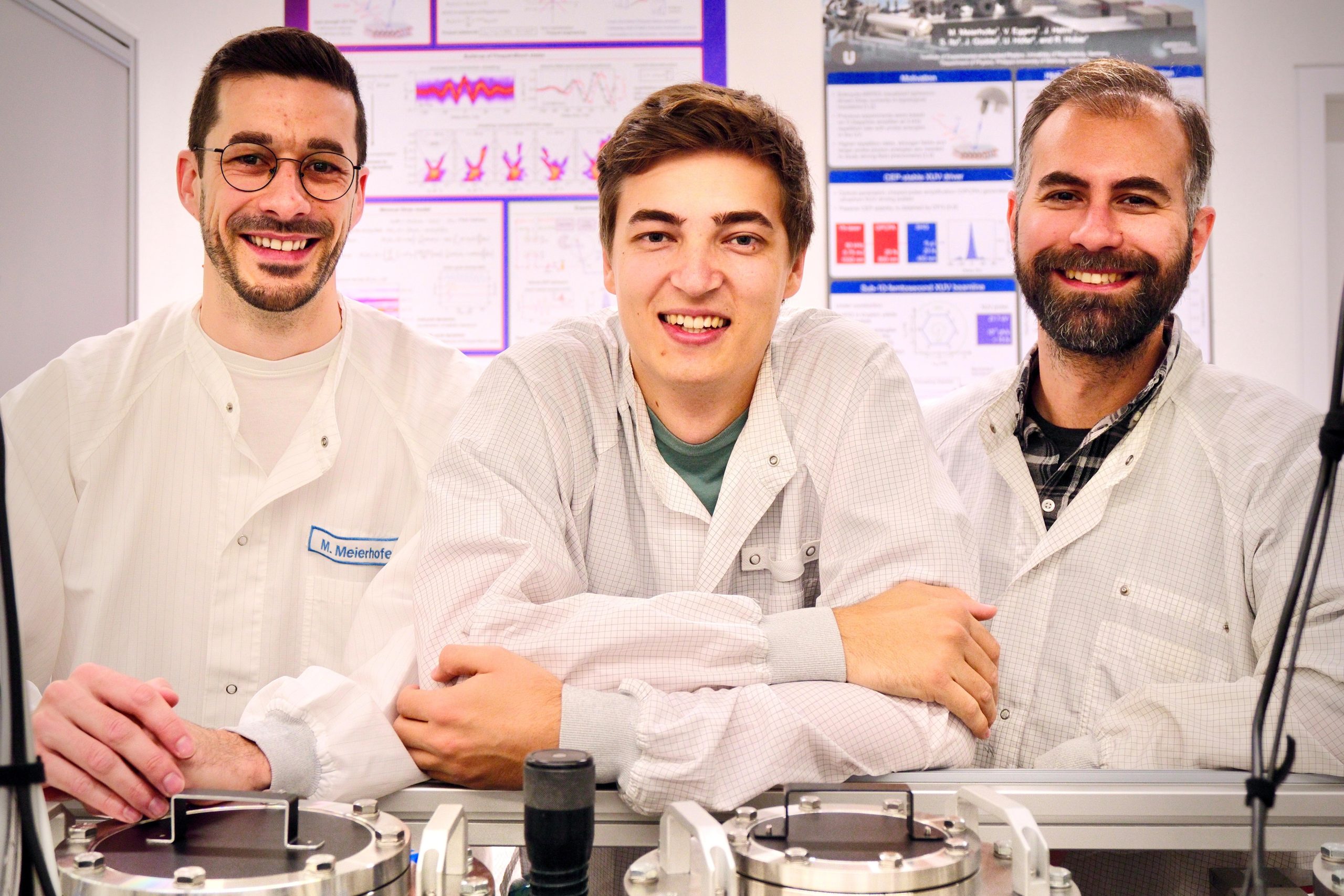
In the study, researchers used the electric field of strong light pulses to accelerate electrons in graphene and observed how they switched between different energy bands during their motion. Under such conditions, the probability of electrons crossing the energy gap through the quantum tunneling process can reach up to 100%. Even if the energy levels are far apart, electrons still have a high probability of completing the jump. The key lies in the speed at which they approach the energy gap. This is fundamentally different from traditional quantum tunneling: traditional tunneling describes particles passing through energy barriers in space.
To capture these fleeting transitions, researchers must observe large numbers of electrons simultaneously. Vincent Eggers, the first author of the paper, explained that if you want to know who wins the competition, you must observe all the contestants; similarly, to capture those electrons that undergo quantum mechanical transitions during their motion, you must observe as many electrons as possible simultaneously.
To do this, the team used an instrument called a photoelectron momentum microscope. It does not generate a magnified image of the object, but measures the energy and motion of the electrons to map their distribution. The real challenge lies in combining these measurements with powerful, rapidly oscillating light fields that can drive electrons in a controllable way. Rupert Huber, a member of the research team, said that the team has been working on this experiment for many years and is now finally able to track the movement of electrons throughout the entire energy landscape of the solid in real time.
The experiments also relied on extremely high-purity graphene samples specially prepared at the Jülich Research Center. Huber's research partner Ulrich Hoefer, one of the pioneers of ultrafast electron spectroscopy, recalls that being able to observe such a fundamental quantum mechanical process in the first measurement campaign was a very special moment for them, and this was also thanks to the samples used.
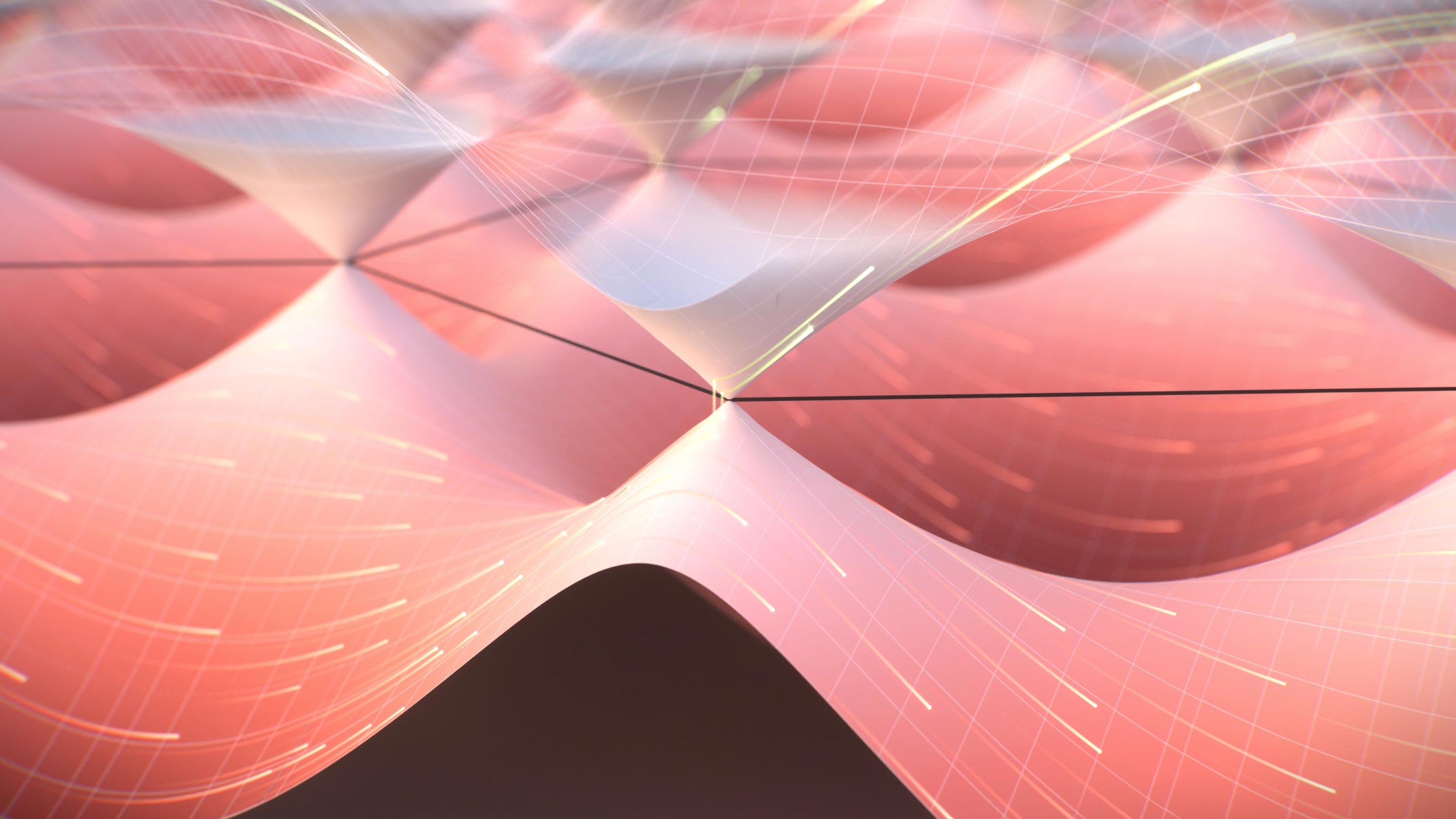
Stefan Tauz of the Jülich Research Center emphasizes that such precision experiments require materials that are nearly perfect at the atomic level to ensure that impurities do not mask the delicate quantum dynamics of electrons. Another important factor in the research is the use of "twisted" graphene, a specialty material from the Jülich Research Center, which allows quantum dynamics phenomena to be displayed particularly clearly.
In addition to capturing quantum jumps, this new technique also allows researchers to explore what prevents electrons from moving in a controlled manner. Experiments with graphene have revealed that interactions between electrons and the lattice—the structure in which atoms are repeatedly arranged in the material—can disrupt the electrons’ initially orderly motion. Understanding these disturbances will become increasingly important as researchers explore techniques to use extremely fast oscillations of light to directly control electrons, rather than relying solely on voltage.
Giacomo Inzani of the University of Regensburg said that this experiment opens a panoramic window into the quantum world. It is now possible to track in real time how electrons move through the energy landscape of materials, and this is just the beginning. The method could be applied to many other quantum materials, opening up entirely new possibilities for using light to selectively control their electronic properties.
The study was published on October 28, 2026, and was supported by institutions such as the German Research Foundation and the European Research Council.
Comments