
Abstract:
A top international physics research team has achieved a milestone breakthrough in the field of quantum physics. For the first time, it has observed the entire process of a single phonon (Phonon, the smallest basic unit of sound energy) from existence to complete attenuation and disappearance in the laboratory in real time and non-destructively. This experimental result not only fills the observation gap in the mutual transformation between macroscopic sound waves and microscopic quantum mechanics, but also provides a new experimental paradigm for the design of future quantum computing architecture and quantum sensors.
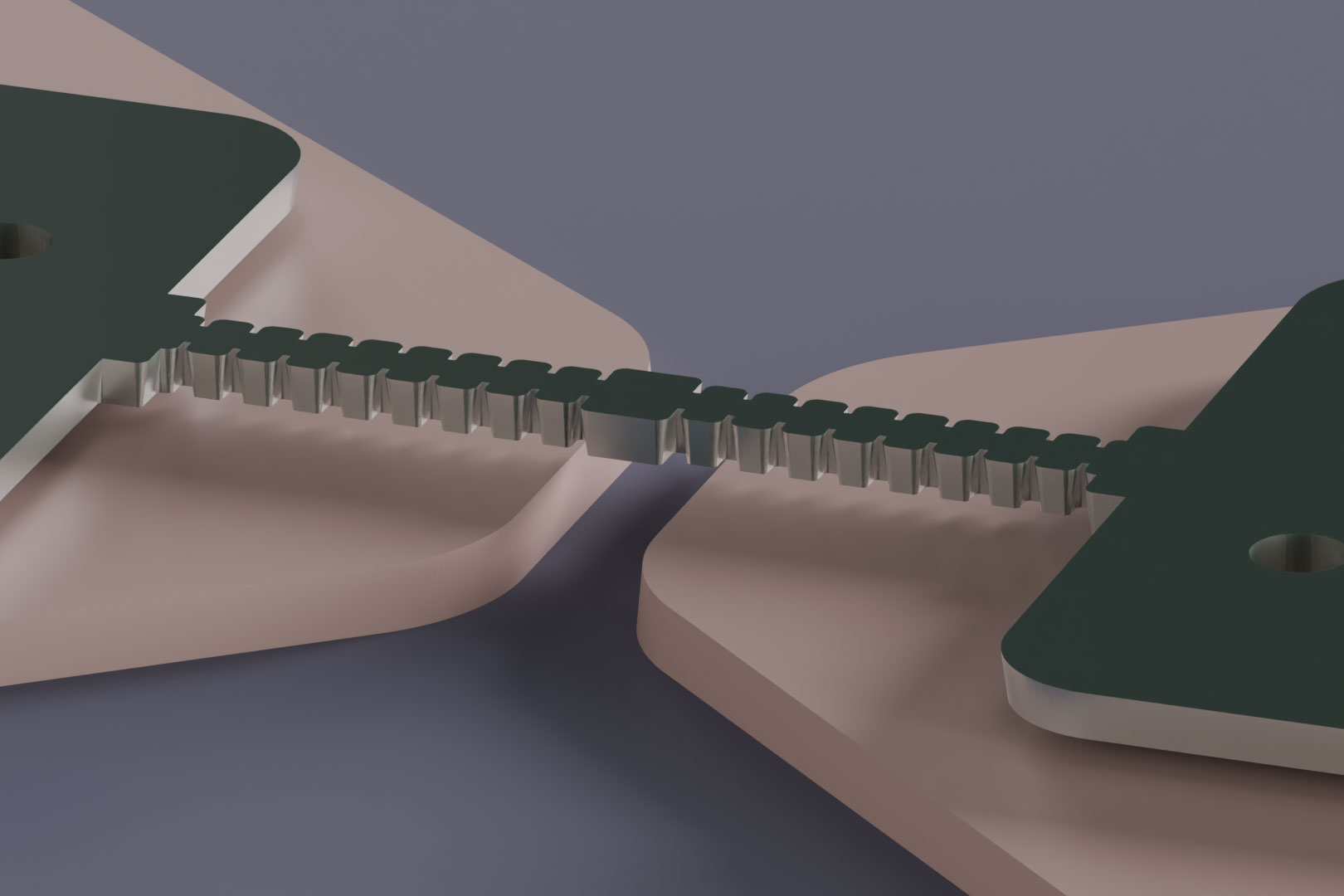
In the world of microscopic physics, light is quantized in the form of photons, while the sound transmitted by the collective vibration of atoms inside solid materials is quantized into phonons. Although modern physics has long theoretically predicted and indirectly confirmed the existence of phonons, it is extremely challenging to capture and continuously track the dynamic changes of individual phonons in experiments. Phonons are extremely susceptible to interference from environmental thermal fluctuations and mechanical vibrations, and their energy is extremely weak. Traditional measurement methods often destroy them at the moment of detection, making it impossible to record their evolution.
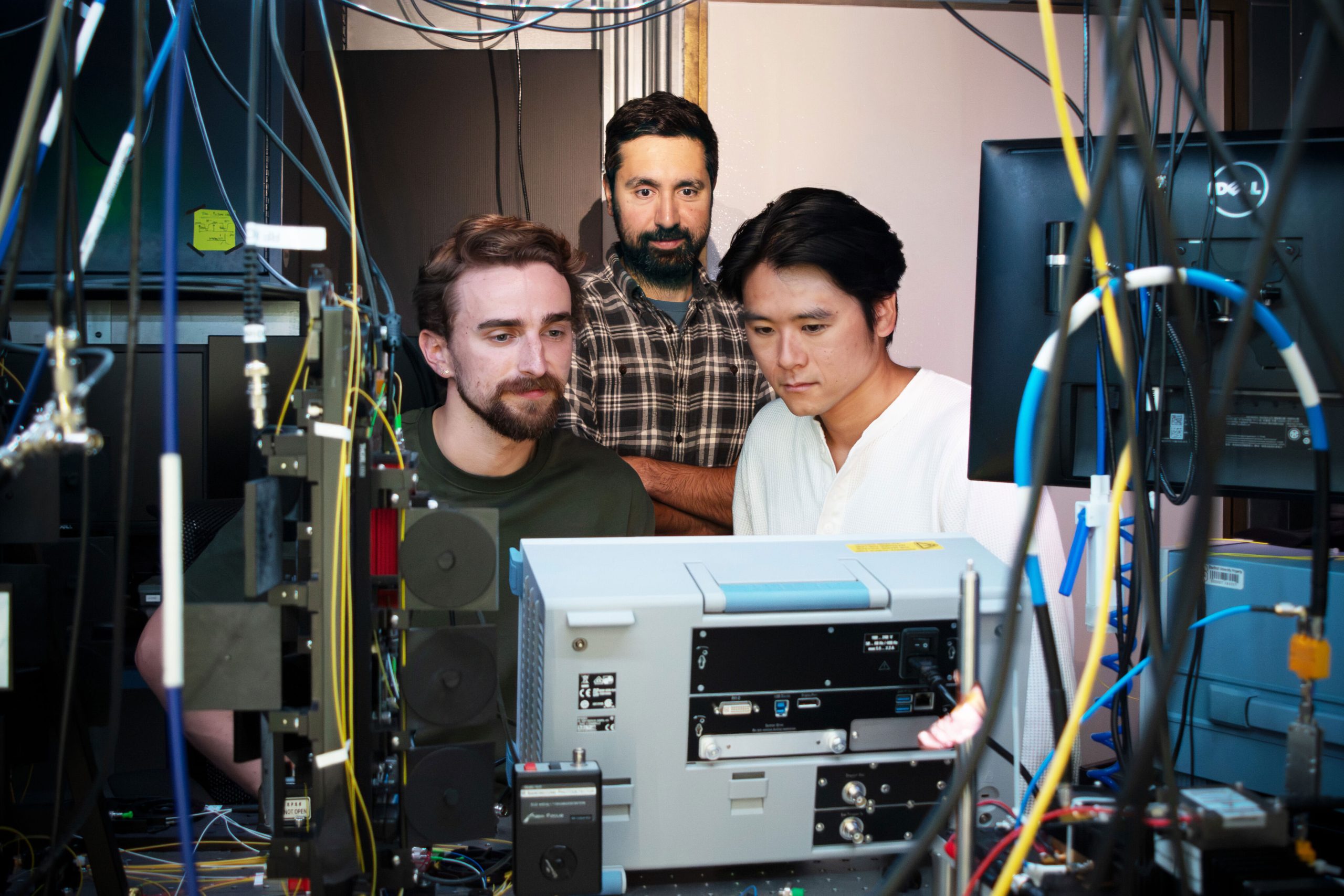
To overcome this problem, researchers constructed a highly sensitive hybrid superconducting quantum system in an extremely low temperature environment. In the experiment, scientists used precision-designed superconducting qubits as non-invasive probes to achieve strong coupling with a single high-frequency vibration mode trapped in a microscopic acoustic resonator. In this configuration, the system can continuously monitor the state of the acoustic resonant cavity using quantum non-destructive measurement (QND), thereby accurately recording the microscopic trajectory of a single sound quantum being absorbed by the material and completely dissipated at a specific time point without destroying the phonon itself.
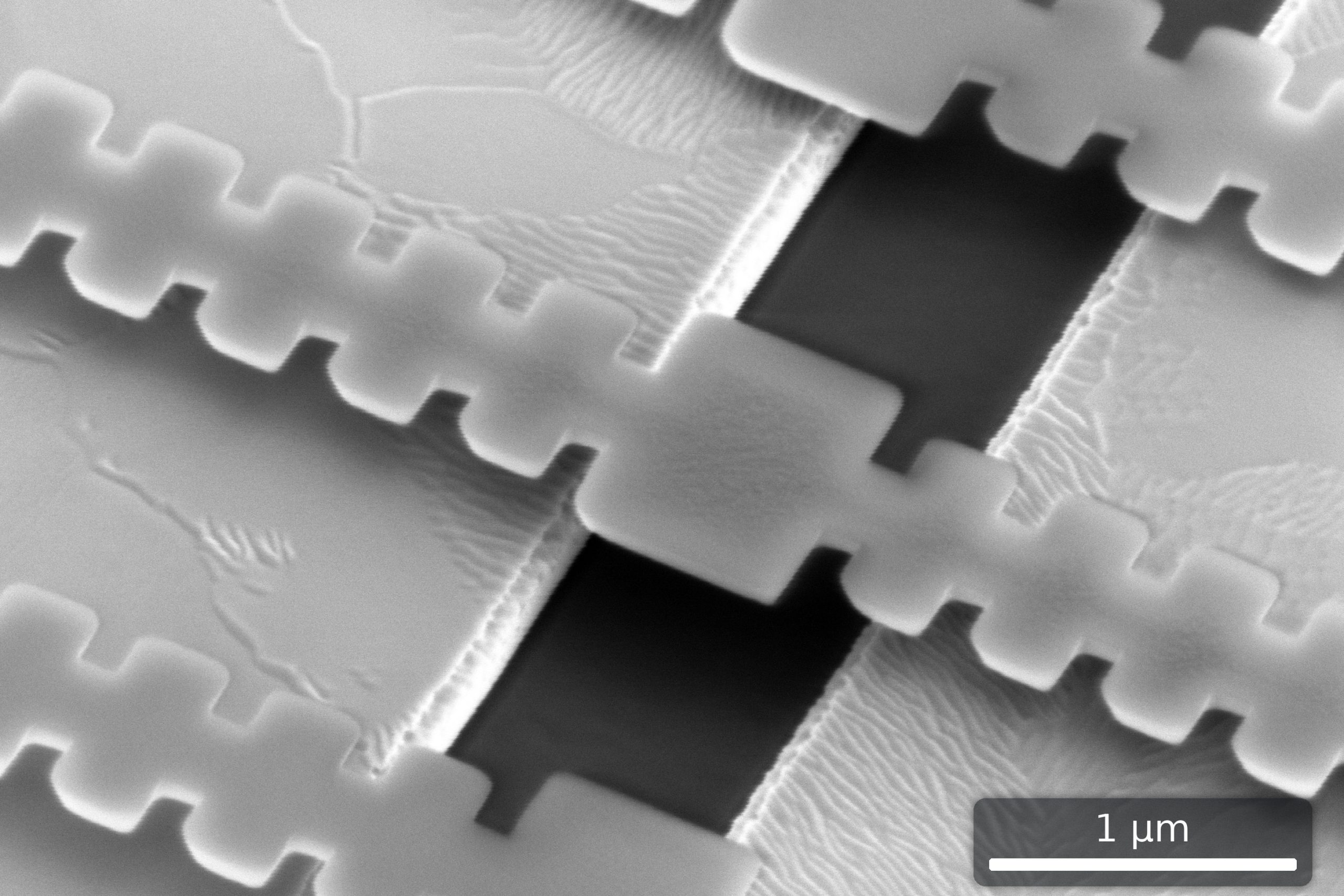
Physics experts said that being able to track individual phonons in real time marks that quantum acoustics (Quantum Acoustics) research has entered a new stage of high-precision control. Phonons have shorter wavelengths and extremely low light propagation delays than photons, making them an ideal medium for connecting different quantum systems such as spin and superconducting circuits. Mastering the microscopic mechanism of phonon generation, evolution and annihilation has far-reaching scientific value and application prospects for developing ultra-high-density quantum memories based on surface acoustic waves, overcoming the problem of quantum decoherence, and developing the next generation of highly sensitive quantum sensors.
Comments