
Abstract:
According to Bloomberg, Seagate Technology and Toshiba are competing for Japan's TDK's hard drive head business. Both companies hope to further expand their competitive advantages in the AI data center hard drive market by acquiring this key component business. The potential value of the deal could be in the billions of dollars, according to people familiar with the matter.
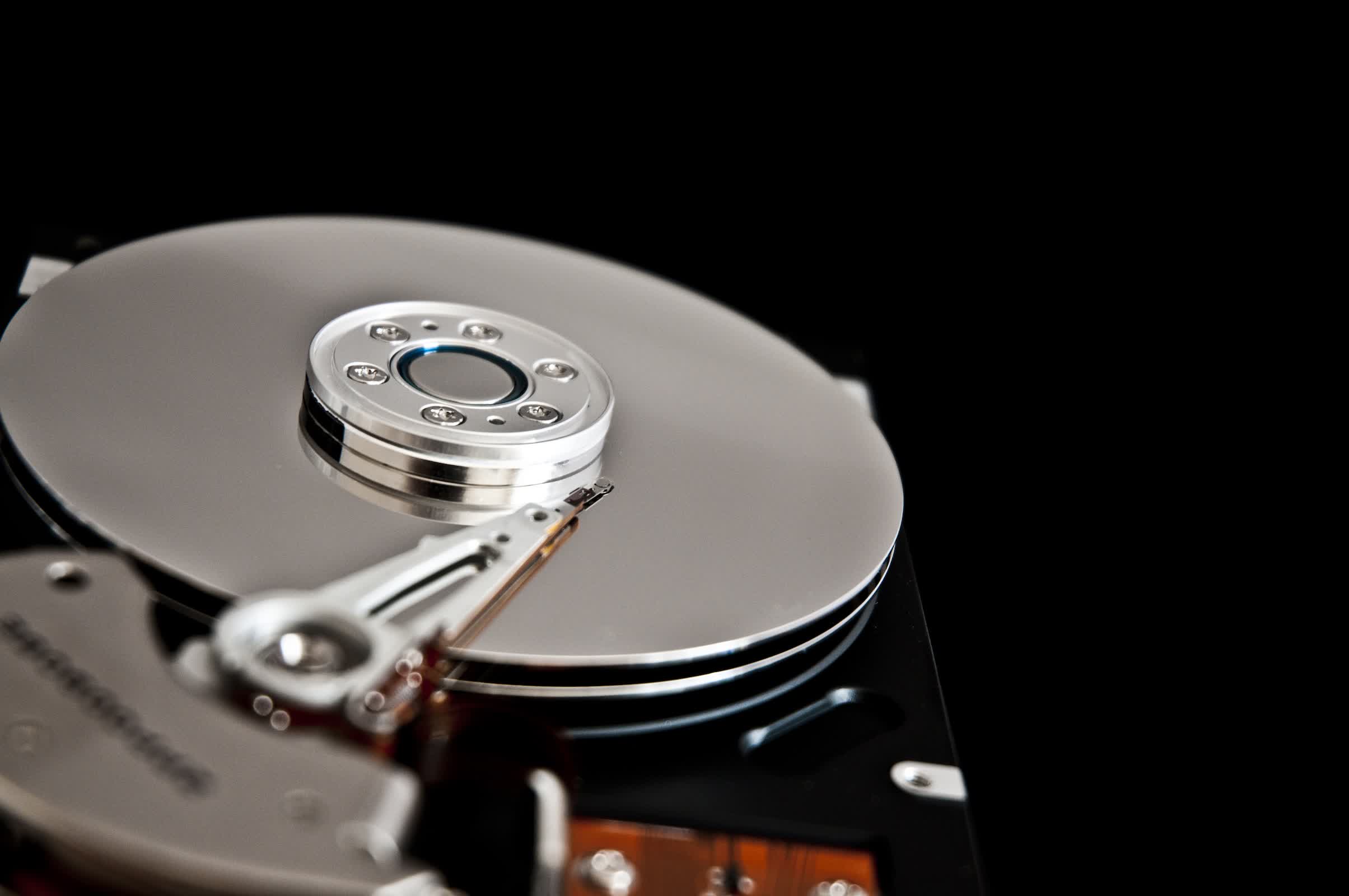
Reports indicate that Toshiba had started relevant negotiations with TDK as early as this spring, and Seagate subsequently made a higher offer in the summer. Both parties are currently striving to acquire TDK's hard disk head business, but the deal is still in the negotiation stage and whether an agreement can be reached has not yet been determined.
The magnetic head produced by TDK is one of the most critical core components of mechanical hard drives. The magnetic head is responsible for reading and writing data on the high-speed rotating disk, and its performance directly affects the storage density, read and write speed, and reliability of the hard disk. As hard disk capacity continues to increase, magnetic head technology has become a key link in promoting the development of next-generation high-capacity HDDs.
The reason why this deal is highly valued by Seagate and Toshiba is closely related to the rapid growth in demand for large-capacity storage equipment in AI data centers in recent years. AI training and inference will generate huge amounts of data. Compared with SSDs, mechanical hard drives still have a clear advantage in terms of storage cost per TB. Therefore, large-capacity HDDs are still an important device for large data centers to store massive data.
At present, there are only three complete HDD manufacturers in the world: Seagate, Toshiba and Western Digital. Compared with Seagate and Western Digital, Toshiba's dependence on external suppliers for hard disk core components is more obvious, among which the magnetic heads mainly rely on TDK.
This also makes TDK's magnetic head business particularly important to Toshiba. Toshiba is actively expanding its AI data center hard drive production capacity and plans to significantly increase production capacity by the fiscal year ending in March 2028. It was previously reported that Toshiba plans to invest approximately 60 billion yen, or approximately US$380 million, to expand the hard drive production capacity of the Philippines factory, and hopes to increase its capacity share in the global HDD market from slightly more than 10% currently to approximately 30% in the medium term.
If Toshiba can acquire TDK's magnetic head business, it will be able to further reduce its dependence on external suppliers and obtain a more stable supply of key components. This is particularly important for Toshiba's future expansion of high-capacity hard drive production.
Seagate’s logic in competing for TDK’s magnetic head business is different. Seagate itself has relatively complete hard disk vertical integration capabilities, and has already produced some of its own magnetic heads and magnetic media. If it acquires TDK's magnetic head business, Seagate will be able to further strengthen its control over the supply chain of key components while weakening competitors' access to independent magnetic head supplies.
TDK’s magnetic head business is actually one of the most important independent supply sources in the current HDD industry chain. For a market with only three major hard disk manufacturers, whoever can control this key link may gain greater bargaining power in the future expansion of high-capacity hard disk production capacity.
That's why the deal could potentially be worth billions of dollars. On the surface, this is just a parts business acquisition, but in fact it involves the core supply chain layout of the future AI data center storage market.
At present, AI data centers are driving strong demand in the HDD market that has not been seen in many years. Previously, the market had long been worried that SSDs would gradually replace mechanical hard drives, causing the HDD market to shrink. However, the massive data storage demand brought by AI has changed this trend. For data centers that need to store tens of petabytes or even billions of exabytes of data, the cost of SSDs is still too high, while high-capacity mechanical hard drives still have irreplaceable economic advantages.
At the same time, the technological development of high-capacity HDD is also accelerating. Seagate, Western Digital and Toshiba are all promoting higher capacity products, and the industry is moving towards 30TB, 40TB or even higher capacities. Toshiba has previously demonstrated a high-capacity 3.5-inch hard drive using 12 platters, and plans to further develop into 65TB and even 100TB level products.
Therefore, the supply capacity of key components such as magnetic heads, disks, and glass substrates is becoming an important limiting factor for HDD manufacturers to expand production capacity. Especially with the rapid growth in demand for AI data centers, simply building a new hard drive assembly line is not enough to solve the supply problem. If upstream links such as magnetic heads and magnetic media cannot be expanded simultaneously, the overall machine production capacity will still be limited.
After Toshiba recently announced the expansion of HDD production capacity, the stock prices of Seagate and Western Digital fell significantly. The market is worried that Toshiba's expansion will eventually alleviate the current tight hard drive supply. However, analysts believe that even if Toshiba significantly increases its production, its new production capacity will not be enough to completely change the global HDD market structure in the short term. Moreover, existing manufacturers already have a large number of long-term orders, and the real supply changes may not become more obvious until around 2028.
In this context, Seagate and Toshiba are competing for the TDK magnetic head business at the same time, which actually shows that both companies believe that the HDD market will still have high strategic value in the next few years.
For TDK, it is reasonable to sell the magnetic head business at this time. The HDD head market has been highly cyclical for a long time, and TDK has been focusing more resources on batteries, passive components, sensors and other businesses in recent years while looking for new growth points in the AI era. If this business can be sold for billions of dollars, it will not only obtain a large amount of cash, but also further adjust the company's business structure.
However, if Seagate ultimately wins, the deal may face competition scrutiny. Because the global HDD market itself is highly concentrated, and Seagate, Western Digital and Toshiba are the only three remaining major manufacturers. If one of them further controls an important independent head supplier, it may change the existing supply chain structure.
If Toshiba wins, the situation is also worthy of attention. Toshiba currently relies more on external suppliers for core components. The acquisition of TDK's magnetic head business will help it complete deeper vertical integration and may become an important step in its challenge to Seagate and Western Digital.
No matter who wins TDK’s magnetic head business in the end, the competition itself sends a very clear signal: in the AI era, mechanical hard drives have not withdrawn from the stage of history. Instead, due to the demand for massive data storage, they have once again become a key component of the data center infrastructure. The core components in the high-capacity HDD industry chain are also changing from ordinary supply chain links to strategic resources that major manufacturers compete for.
Comments