
Abstract:
Ethical security researcher Jeremiah Fowler recently discovered a massive unprotected database containing approximately 2 billion account credentials that may have been compromised. The database appears to bring together multiple sets of credentials from multiple security incidents, and the data could be downloaded by anyone until the host decided to block access.
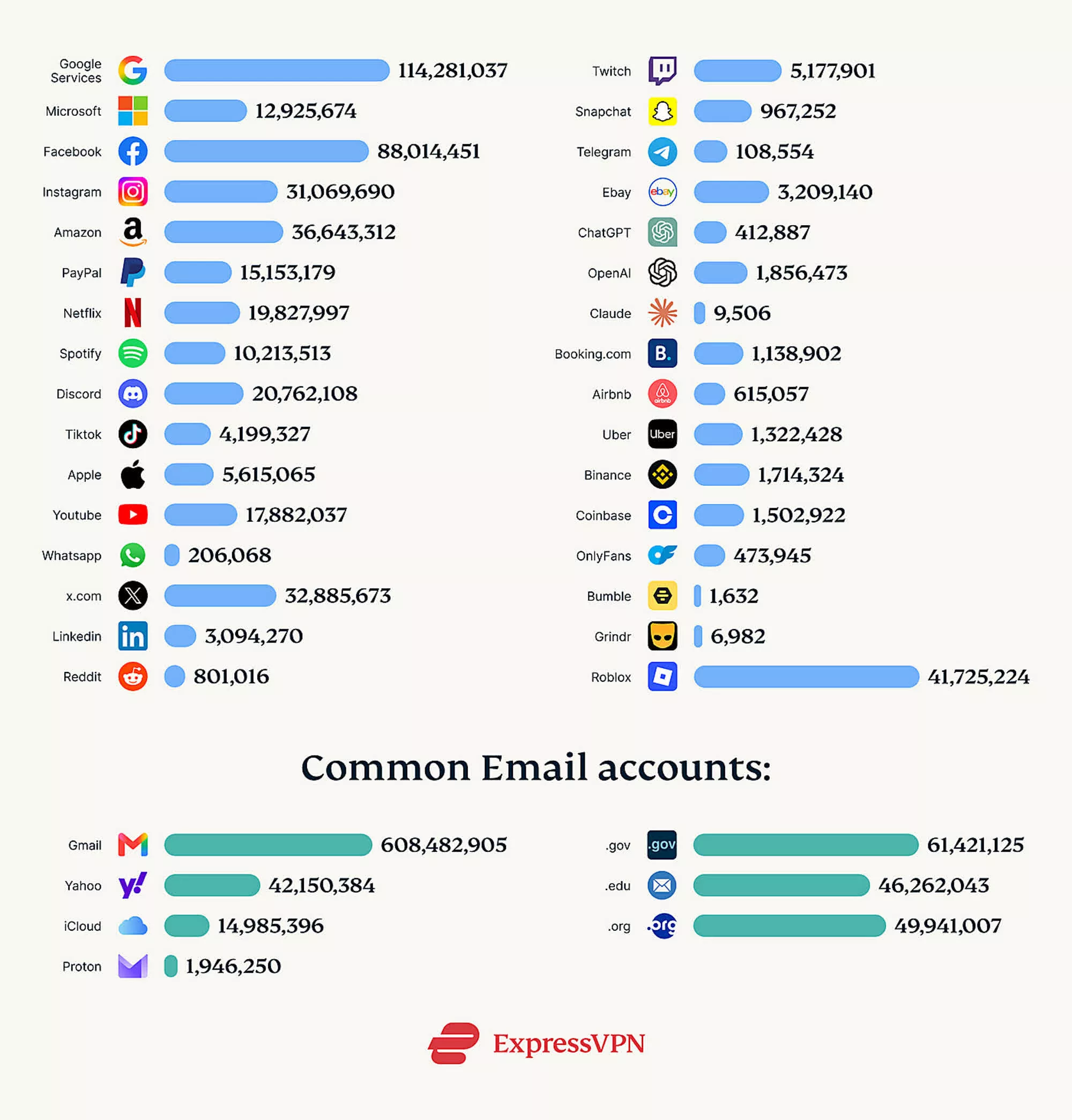
Fowler said the database he found was neither password protected nor encrypted in any way. Approximately 2 billion credentials are left exposed, waiting for someone to obtain the data and use it to launch further attacks on users. The dataset contains email addresses, logins and other user IDs, passwords, etc.
The researcher probed the online database by looking at organized data and discovered additional content types such as application credentials, browser passwords, cookies, session tokens and other "identifiers." Fowler said it was the largest collection of compromised accounts he had ever discovered. The data set is more than 13 times larger than a previously reported exposure and contains more device-specific data that could be exploited by potential attackers.
The database is also notable for the way the plaintext data is organized: the data is housed in thousands of different folders, with some documents grouped by country-code top-level domains. Approximately 400,000 documents appear to be from advanced malware threats as they are housed in separate folders targeted to individual victims.
Based on data he personally reviewed, Fowler provided an estimate of the services and domains most affected by the breach. The researcher noted that compromised accounts may appear in multiple documents, meaning the database may contain multiple duplicate accounts. Additionally, users are likely to have multiple accounts on different online services.
Fowler did not give a clear explanation of the origin of the data set. These collections of accounts may have come from multiple malware operations and were later stored in a single archive for sale through underground markets. The database may even be part of a larger legal security operation by other researchers or law enforcement agencies, where experts try to identify and notify victims, or monitor suspected criminal markets.
The researcher did not provide specific information about where the data archives were stored or the company hosting them. He said only that he reported the leak to his hosting provider, who took several days to finally restrict public access. Although he didn't download any data, Fowler had plenty of time to run the query and make some estimates.
Large databases containing billions of potentially compromised accounts are not new, and users' failure to follow proper security practices while online is fueling the growing threat of information theft. Fowler warned that users should avoid installing unknown browser extensions, downloading unsolicited email attachments, or clicking on links in suspicious messages. As the large database he discovered clearly shows, sometimes resetting your password isn't enough to ensure security. In the worst-case scenario, concerned users should consider factory resetting their devices and then resorting to security authentication solutions like a password manager or multi-factor authentication.
Comments