
Abstract:
More and more humanoid robots are making their way into car manufacturing plants, and the latest to join the trend is Volvo. The company is training humanoid robots at its factory in Ghent, Belgium, hoping they will take on some repetitive, physically demanding tasks. However, when machines enter the workplace, they are always accompanied by the shadow of replacing human labor.
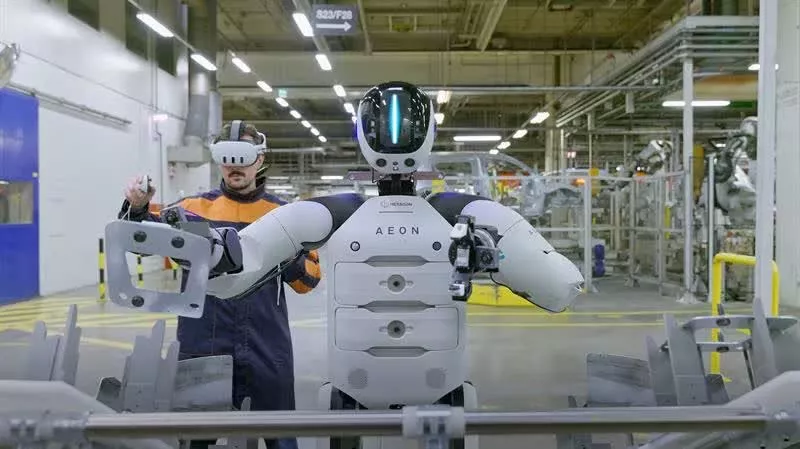
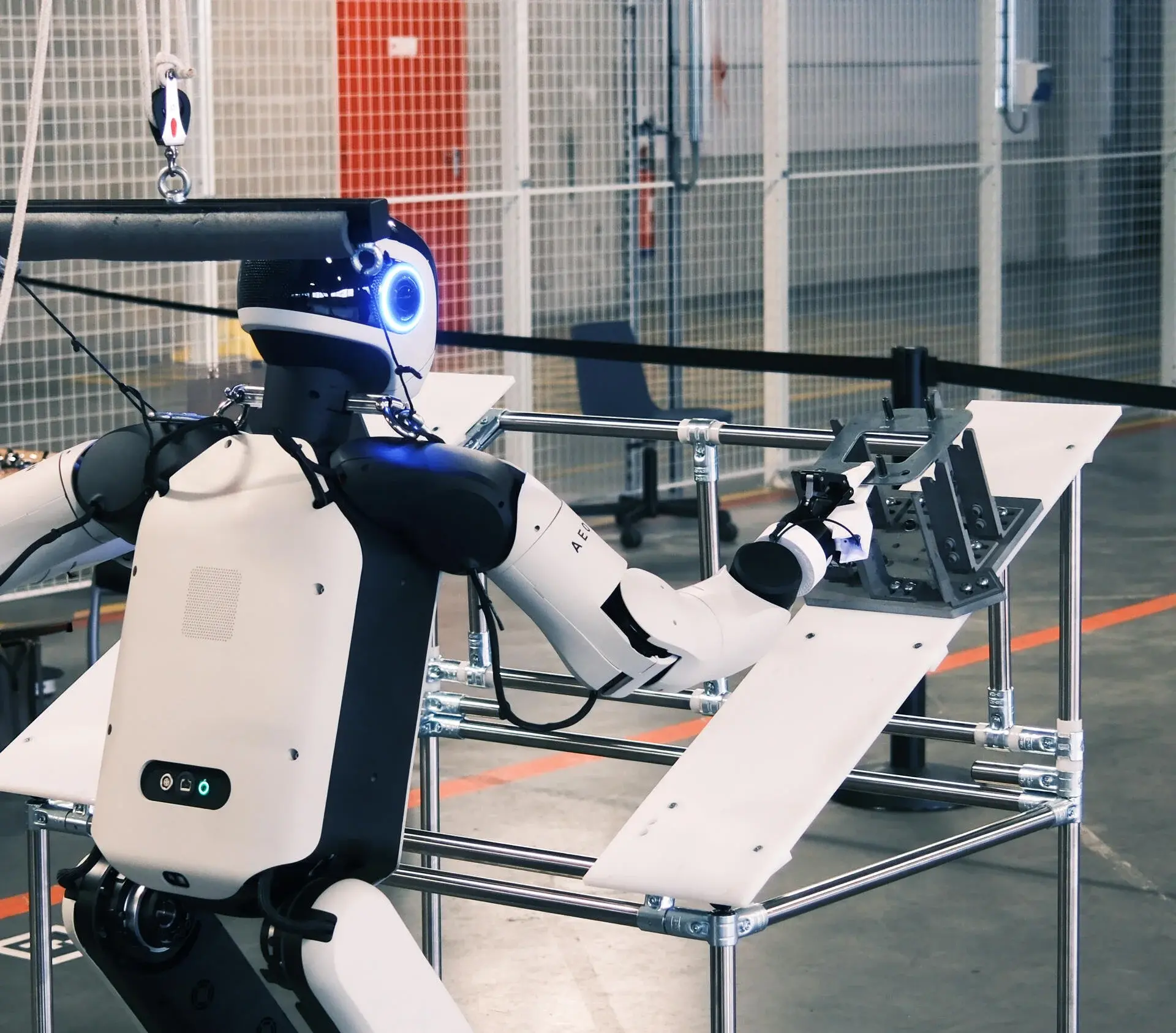
Ghent is Volvo’s first factory to trial AEON humanoid robots. The robot is manufactured by Swedish technology group Hexagon. Volvo employees first demonstrate how to accurately place parts into two fixtures, and the robot learns through imitation. Once it can perform this task stably, the team will teach it to handle multiple parts, move around production areas, and work with the factory's automated equipment.
AEON is about 1.65 meters tall, weighs about 60 kilograms, and can carry about 10 kilograms. It has one distinctly non-human feature: it has wheels on its bottom and can move on the factory floor at a speed of slightly more than 8 kilometers per hour. What Volvo values is that AEON can move between workstations designed for humans, which is obviously difficult to do with a robotic arm fixed to the ground.
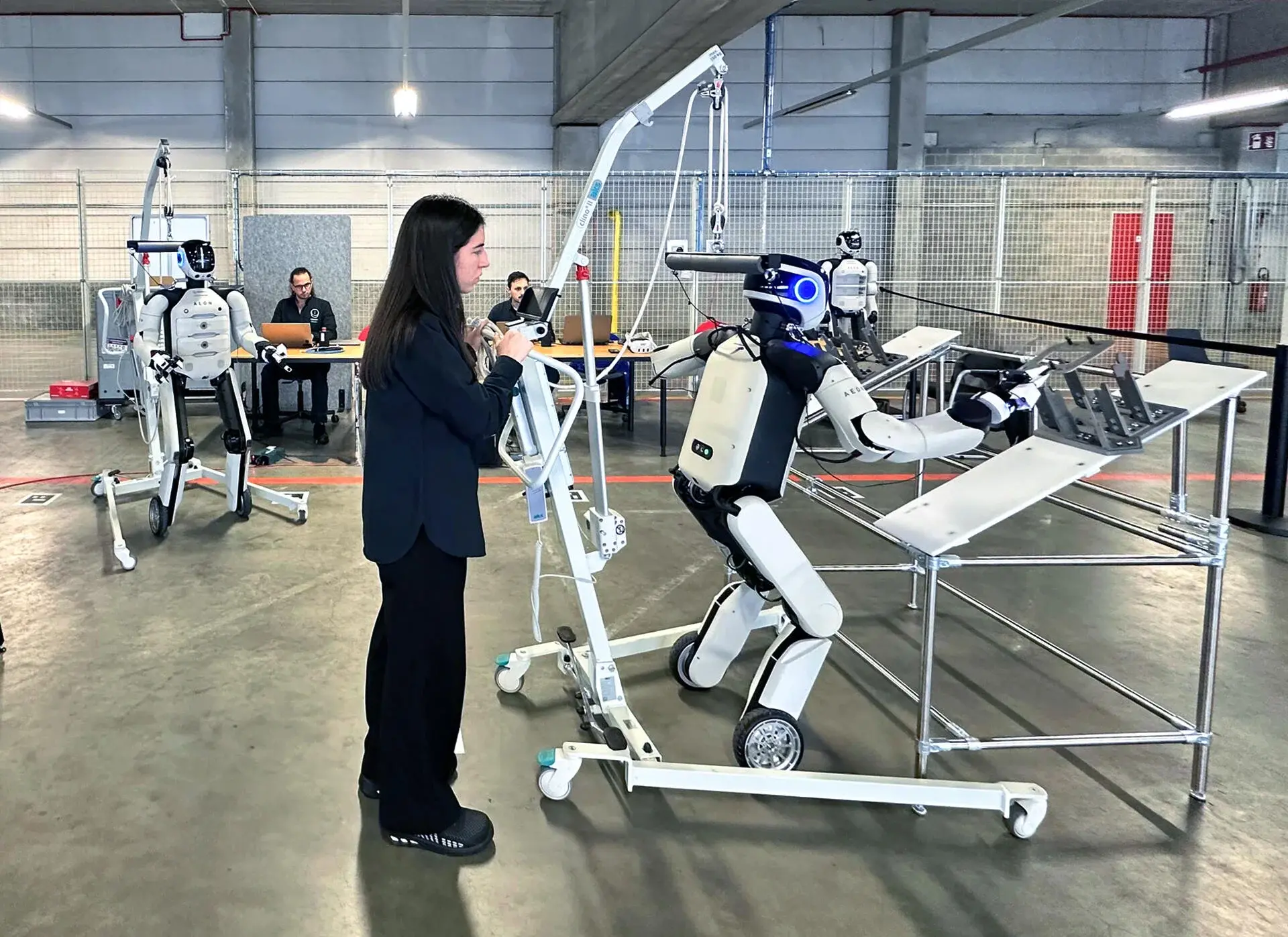
More robots will arrive in Ghent in the first half of 2027 to participate in a larger pilot. Volvo hopes to have the robots on production lines by the middle of that year, but the company has not said how many will be added or what that will mean for the employees currently doing the work.
In October this year, Volvo announced plans to cut 2,500 jobs worldwide, 2,000 of which are in Sweden. The company has not linked these layoffs to the robotics project, but employees at the Ghent plant have been waiting to see how this round of cost reductions will affect the factory.
Hyundai Motor workers have reacted strongly to the issue of robots replacing their jobs. The car company plans to use Boston Dynamics' Atlas robots at its Georgia factory in the United States in 2028. In the same year, it also hopes to have the ability to produce 30,000 robots per year. Hyundai has even offered to sell the robots through dealers and offer financing to buyers.
In January this year, Hyundai Motor Korea's labor union warned that this could bring a "huge employment impact" and insisted that management must obtain union consent before deploying any robot in the workplace. And in Ghent, workers are teaching the machines how to do jobs that may one day be taken away from them.
Comments