
Abstract:
SK Hynix predicts that the current memory shortage may continue until the end of 2030, and the market has yet to show obvious signs of demand slowdown. SK Hynix CEO Guo Luxun said after the groundbreaking ceremony of the company's new packaging factory in Indiana, USA that even if the market begins to cool down in the future, it is more likely to be characterized by a gradual easing of supply constraints, rather than a sudden collapse in memory prices as in the past.
The company had previously expected that the tight supply of DRAM for the general market would continue until 2028. This latest statement means that this expectation has been further extended.
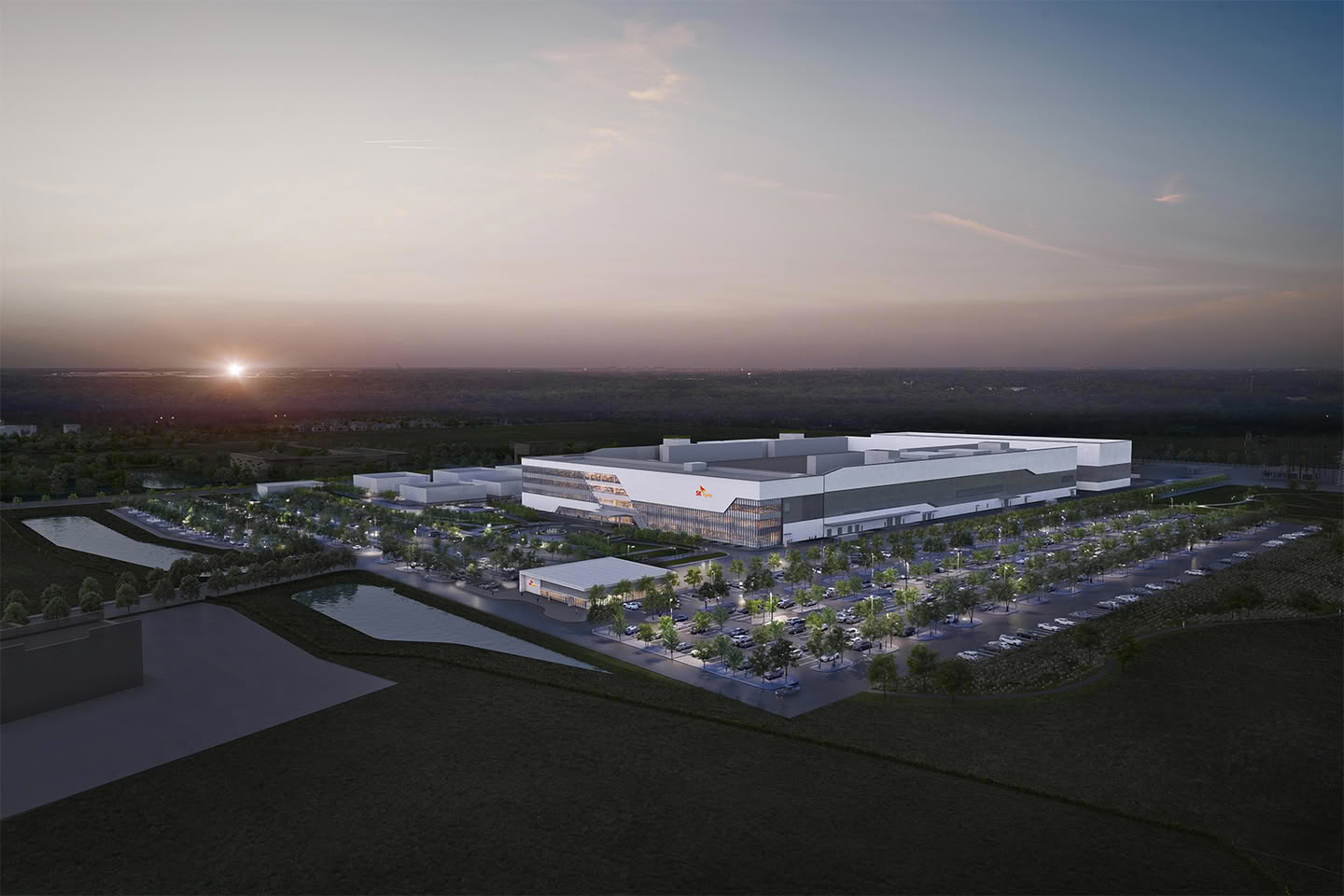
Guo Luxun pointed out that memory products have gradually moved away from the attributes of pure commercial components. The rapid development of the artificial intelligence industry has driven customers to turn to customized DRAM and high-bandwidth memory (HBM) solutions. This demand structure makes it easier for manufacturers to predict future orders and reduces the likelihood of dramatic price drops caused by oversupply in the past.
The new Indiana plant itself will not increase wafer production capacity because it is mainly responsible for packaging and testing, not a wafer manufacturing plant. The relevant wafers will still be produced in South Korea and then shipped to the United States for HBM4E packaging. The plant is expected to start cleanroom operations in the second half of 2028, with mass production scheduled to begin in the third quarter of 2029.
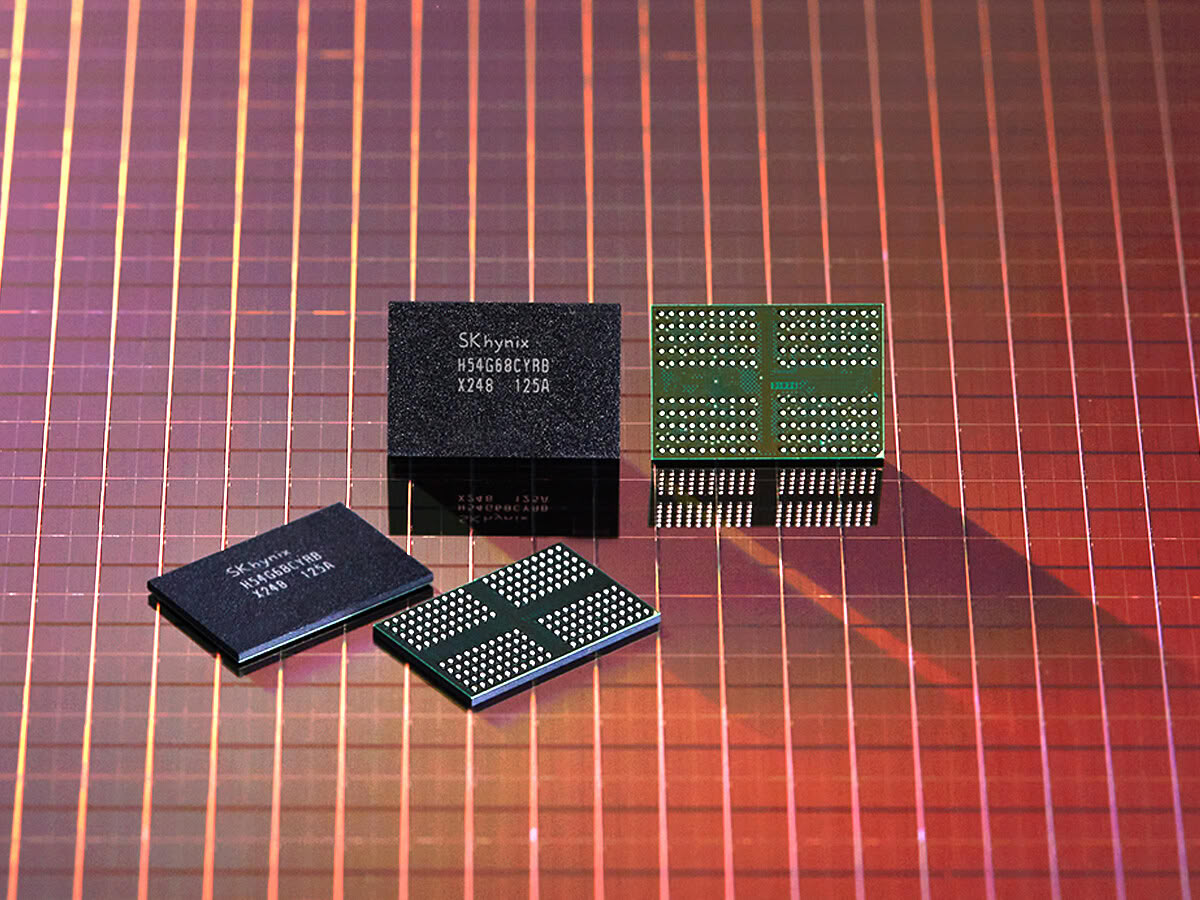
For consumers, this means that DRAM and NAND flash memory prices are unlikely to fall significantly in the short term. The cost of memory used in personal computers, graphics cards and game consoles is expected to remain high for several years and may even continue to affect the next decade.
Comments