
Abstract:
A team of engineers and scientists has announced the launch of the Fermi Explorer mission, calling it humanity's first exploration to another star. The project plans to launch a small probe within three years to travel to Centauri, about 4.37 light-years away from Earth, at a cost of less than $15 million, and is expected to arrive after a voyage of about 80,000 years.
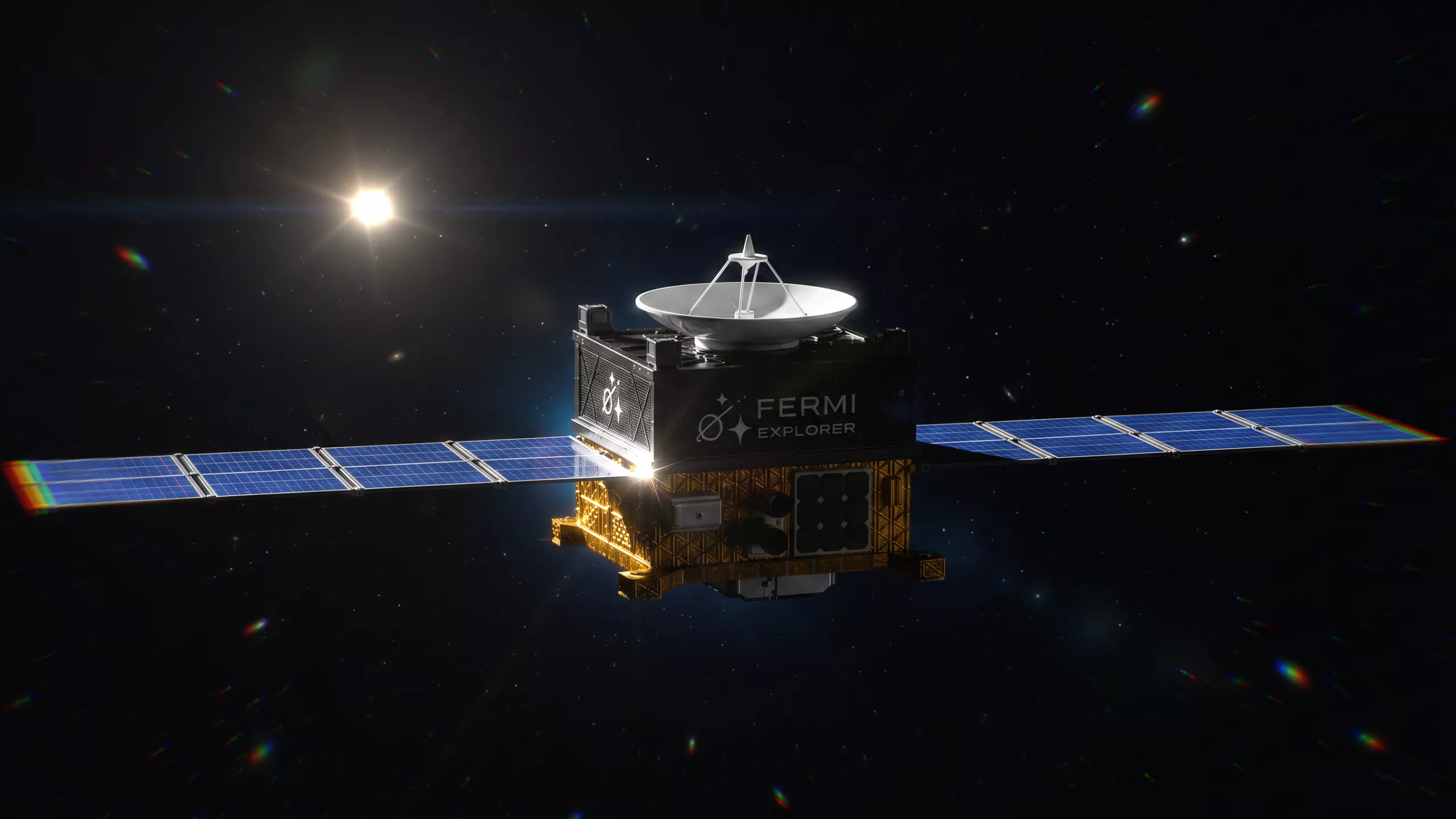
The project is driven by a non-profit organization and its co-founders include Philip Johnston, Ezra Fielden and Adi Altyan. The three had previously co-founded the startup Starcloud. The team has released an 81-page document detailing the mission plan and related analysis.
According to the plan, this probe may become the earliest man-made aircraft to set off and the latest to arrive at Centaur. The research team acknowledges that within the next few decades, humans may be able to build interstellar spacecraft that can travel far faster than the probe. Even if the Fermi Explorer mission has decades of first-mover advantage, it is likely to be significantly surpassed in arrival time by latecomers.
The team believes that the significance of this task is not just to compete for the first place. Someone has to take the first step to travel to other stars, and this attempt may also inspire organizations with more funding and more advanced technology to join interstellar exploration. In addition, exploring the unknown and pursuing knowledge itself are also important motivations for promoting projects.
The non-profit organization currently raises funds through crowdfunding and has set up different rewards for support. A donation of $10 will put your name on the mission supporter list on the official website, and a donation of at least $100 will have your name engraved on the detector. Backers can also provide financial support by purchasing project merchandise.
In a more realistic space exploration plan, the next step for mankind will still focus on returning to the moon, and eventually try to land a man on Mars. The target time for manned return to the moon is tentatively set at 2028, but the specific date for the first manned mission to Mars has not yet been determined.
Comments