
Abstract:
Scientists have long believed that sea turtles migrate long distances between feeding grounds and breeding beaches. They can identify their direction with the help of signals such as the Earth's magnetic field, ocean currents and the sun, and return to the vicinity of their birthplace when breeding. However, a three-year satellite tracking study found that yellow green sea turtles in the Galapagos Islands appear to prefer to stay in local waters.
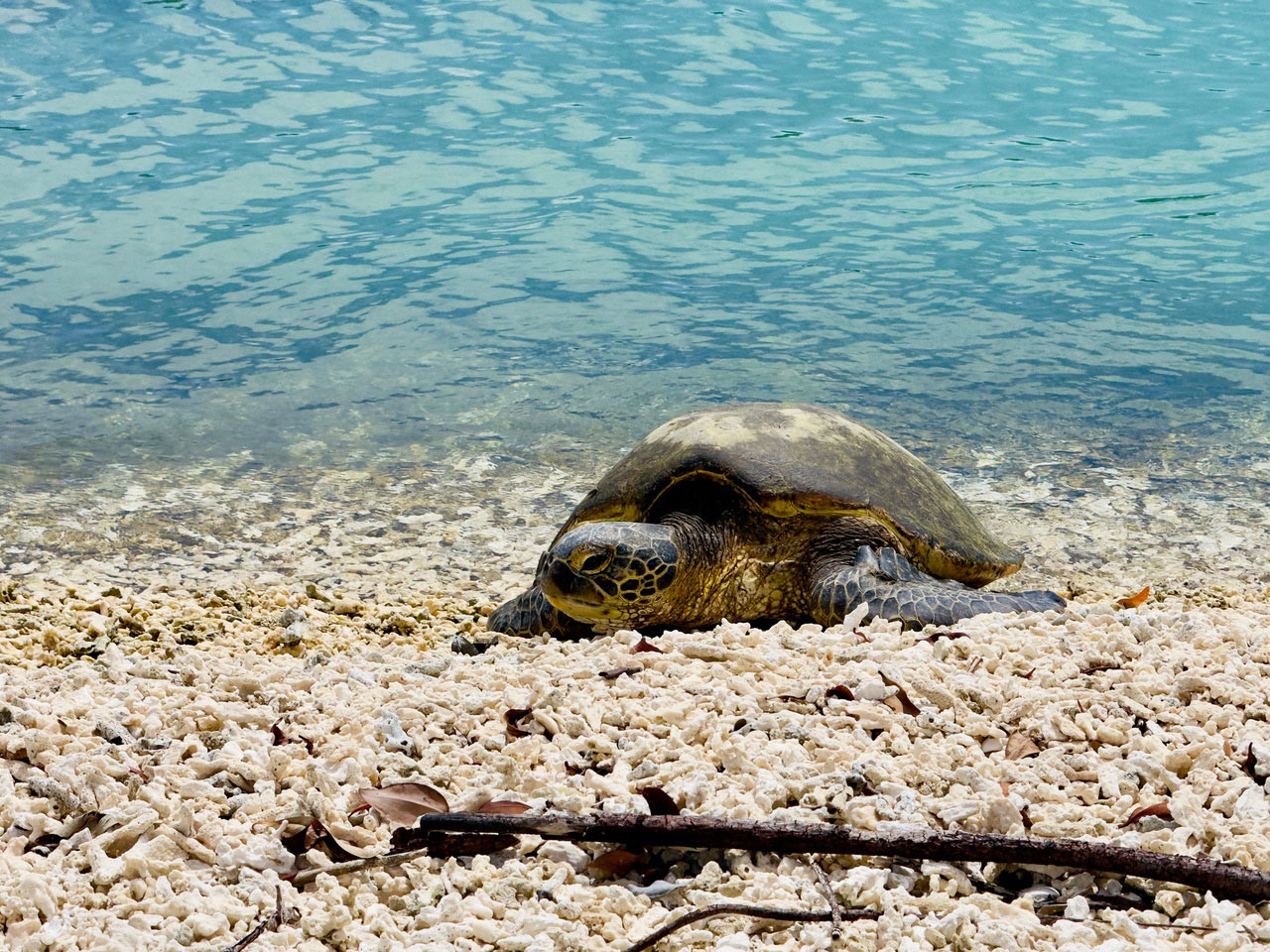
Researchers say that yellow green sea turtles are one of two genetic types of green sea turtles. They have relatively independent feeding areas, which may cover one or more islands in the Galapagos Islands. The research team had expected the turtles to migrate to distant beaches in the western Pacific to breed, but none of the turtles equipped with satellite tags left the Galapagos Marine Reserve during the study period.
Green sea turtles are the only ones among the seven existing species of sea turtles that eat mainly plant foods. Young turtles eat both plants and animals, and as adults they live mainly on algae and seaweed. Green sea turtles are roughly divided into two genetic types: yellow green sea turtles are mainly distributed in the tropical and subtropical waters of the Western Pacific, and black green sea turtles live in the eastern Pacific, that is, in the waters on the west side of the Americas and in the area south of southern California.
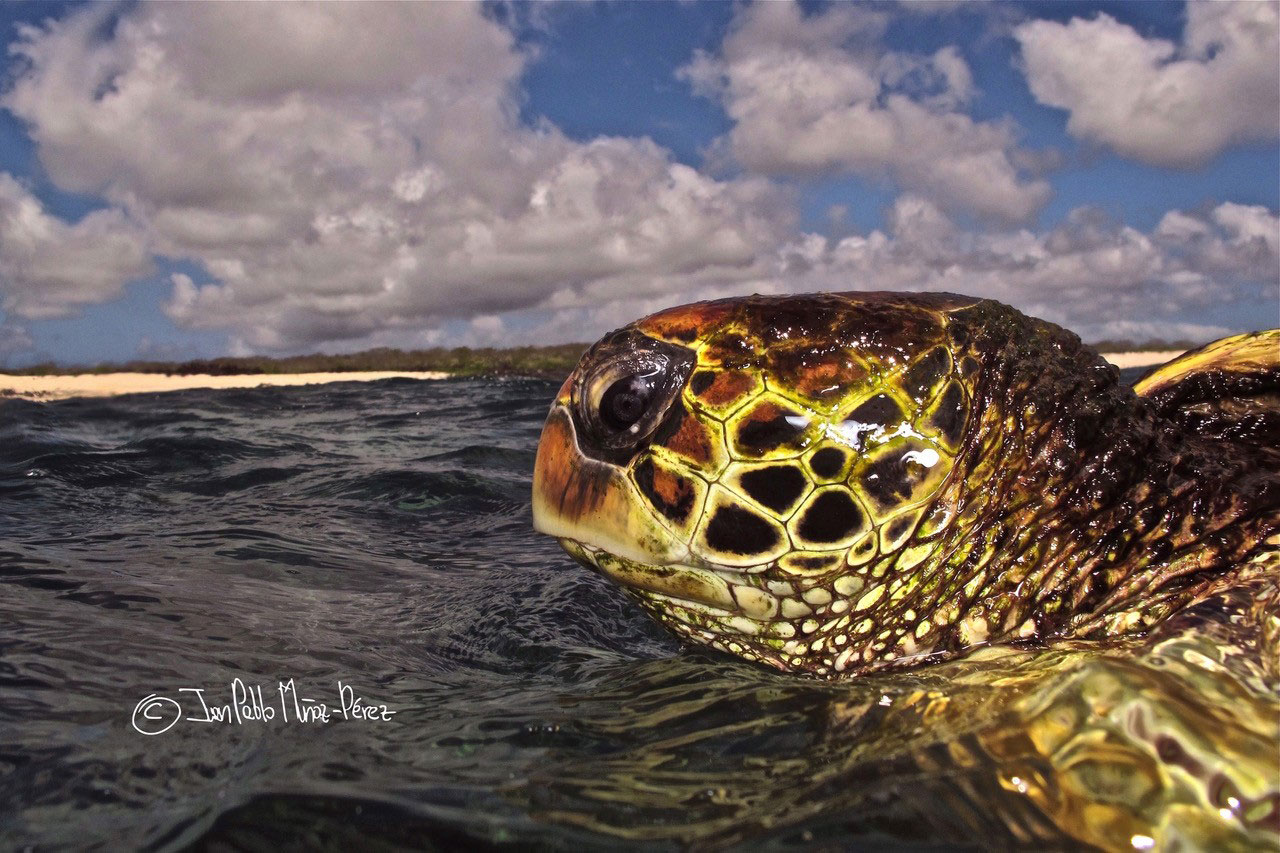
The Galapagos Islands are the only place where both types are known to occur together. They move in the same sea areas and feed on the same marine plants, but yellow green turtle hatchlings grow faster than black green turtle hatchlings. This discrepancy suggests that there may be physiological differences between the two that have not yet been fully explained by scientists.
In order to understand the activity range and habitat preferences of yellow green sea turtles, researchers investigated their movements within the Galapagos Marine Reserve, which covers an area of approximately 198,000 square kilometers. In 2015, the research team captured seven adult male turtles and two adult female turtles in shallow waters near four islands, named each turtle, and then installed electronic tags capable of sending positioning signals to the Argos satellite system in low Earth orbit.
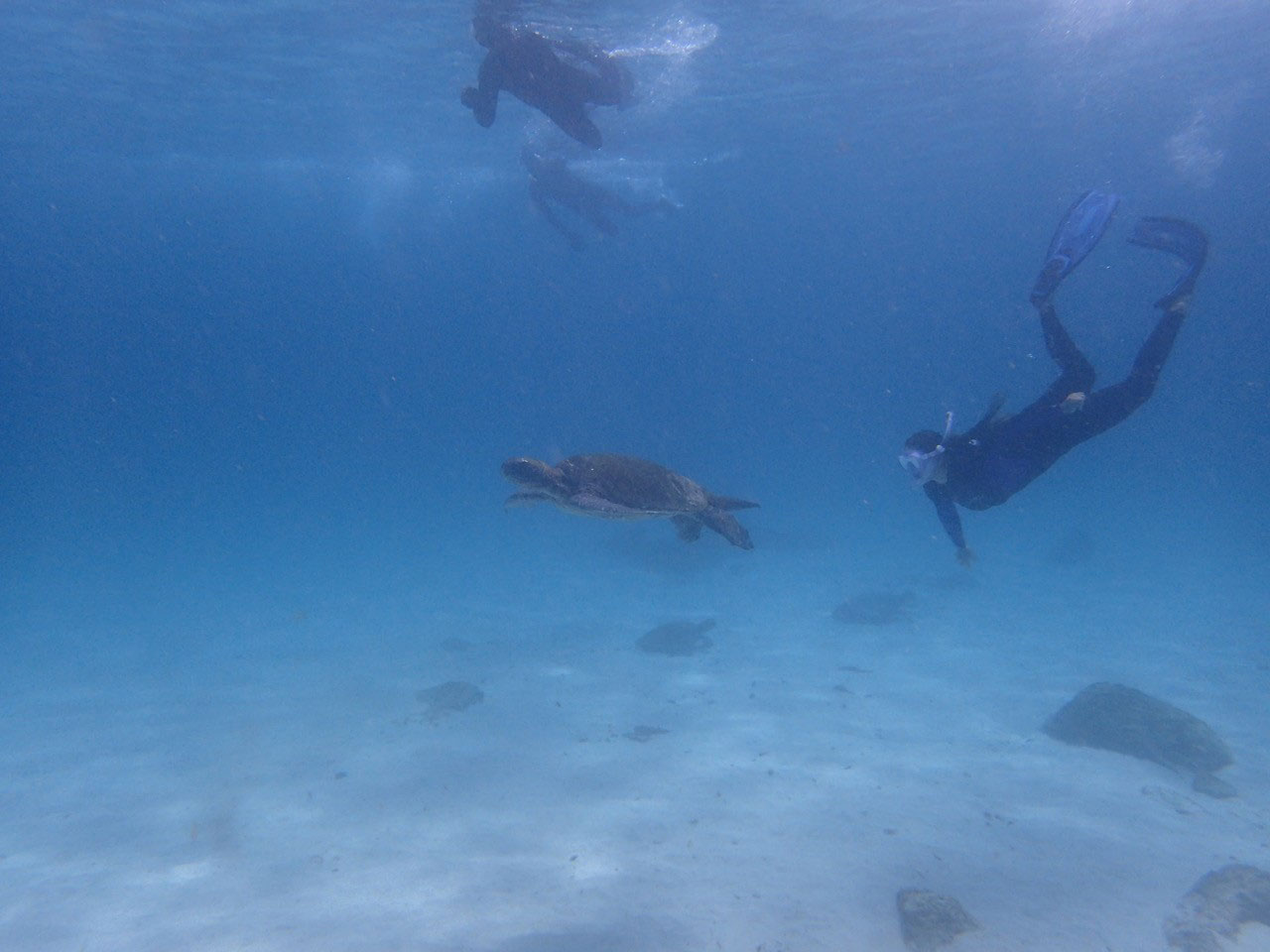
Tracking lasts up to 418 days and usually ends when the tag falls off or stops transmitting signals. The results showed that most sea turtles mainly live in shallow waters near the coast, but some individuals occasionally swim as far as 25 kilometers offshore.
Among the nine sea turtles, five are mainly active around the same island. Bernardo and Sara traveled between Isabela and San Cristóbal; Leandro traveled between Isabela and Española.
The female turtle named Ainoa has the widest range of activities. She was initially tagged near San Cristóbal Island, then moved first to Santa Cruz Island and then to Isabela Island. The study records show that all observed cross-island movement occurs during the cooler months of April to October each year.
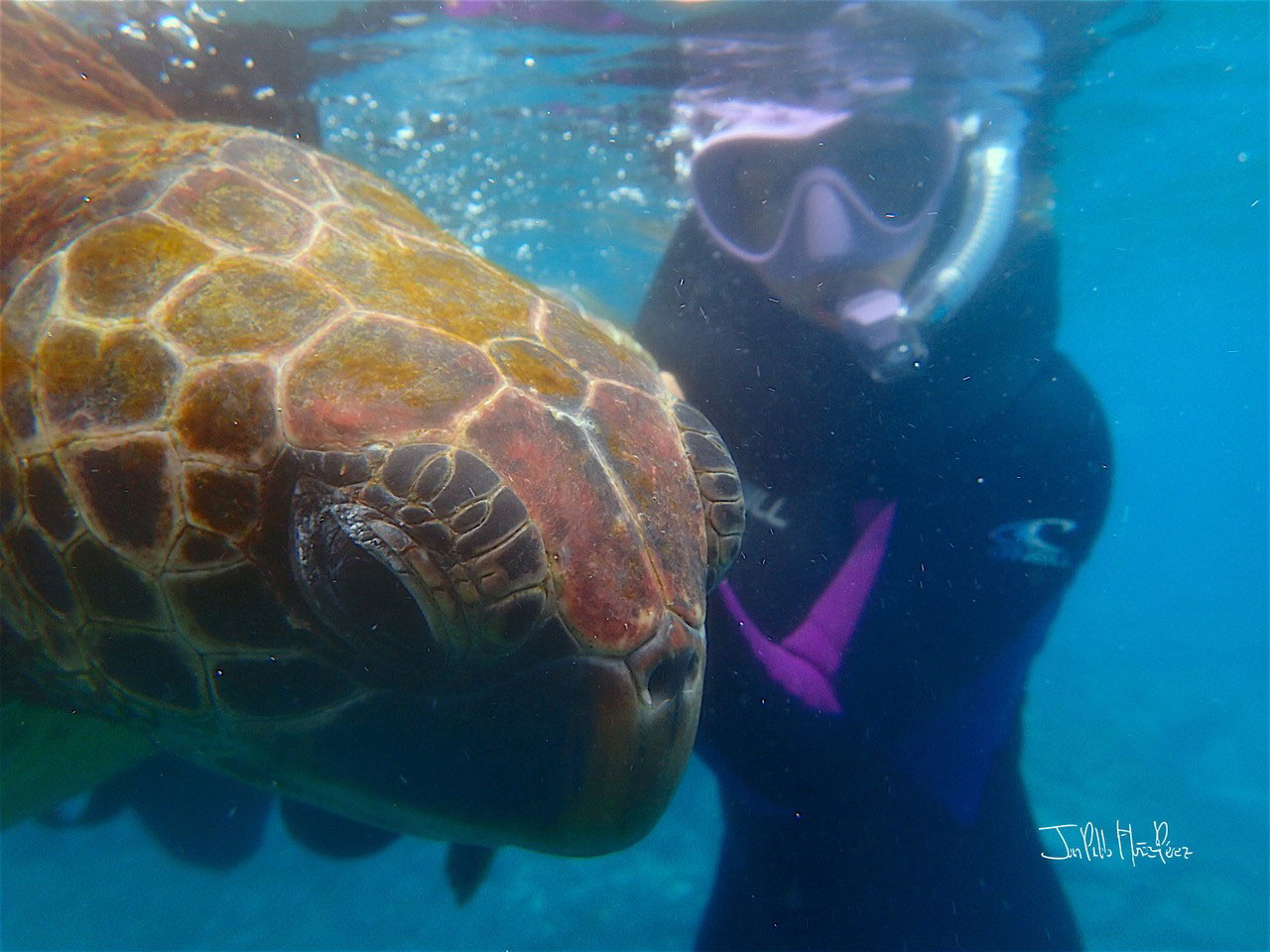
The average range of these turtles is about 1,498 square kilometers, but there are obvious differences between different individuals. The results of the study indicate that yellow green sea turtles can live in a relatively limited area in the Galapagos Islands for a long time. However, the study only covered a small period of their lives, so it still cannot be ruled out that they make rare long-distance Pacific migrations in other seasons or specific stages.
Currently, scientists have not found yellow green sea turtles nesting on the beaches of the Galapagos Islands. Researchers speculate that female yellow green sea turtles may eventually leave the islands to lay their eggs on natal beaches in the western Pacific.
In contrast, some female black-type green sea turtles nest in the Galapagos Islands. Depending on the individual, they may remain in the archipelago year-round, travel to other nearby islands, or even migrate to feeding grounds near the coasts of Central and South America.
The researchers point out that the sea turtles' movement patterns also illustrate that conservation efforts cannot focus solely on one feeding site. A sea turtle that appears to be dependent on the waters around one island for a long period of time may later use coastal habitats near another island, as well as the open water channels that connect the islands.
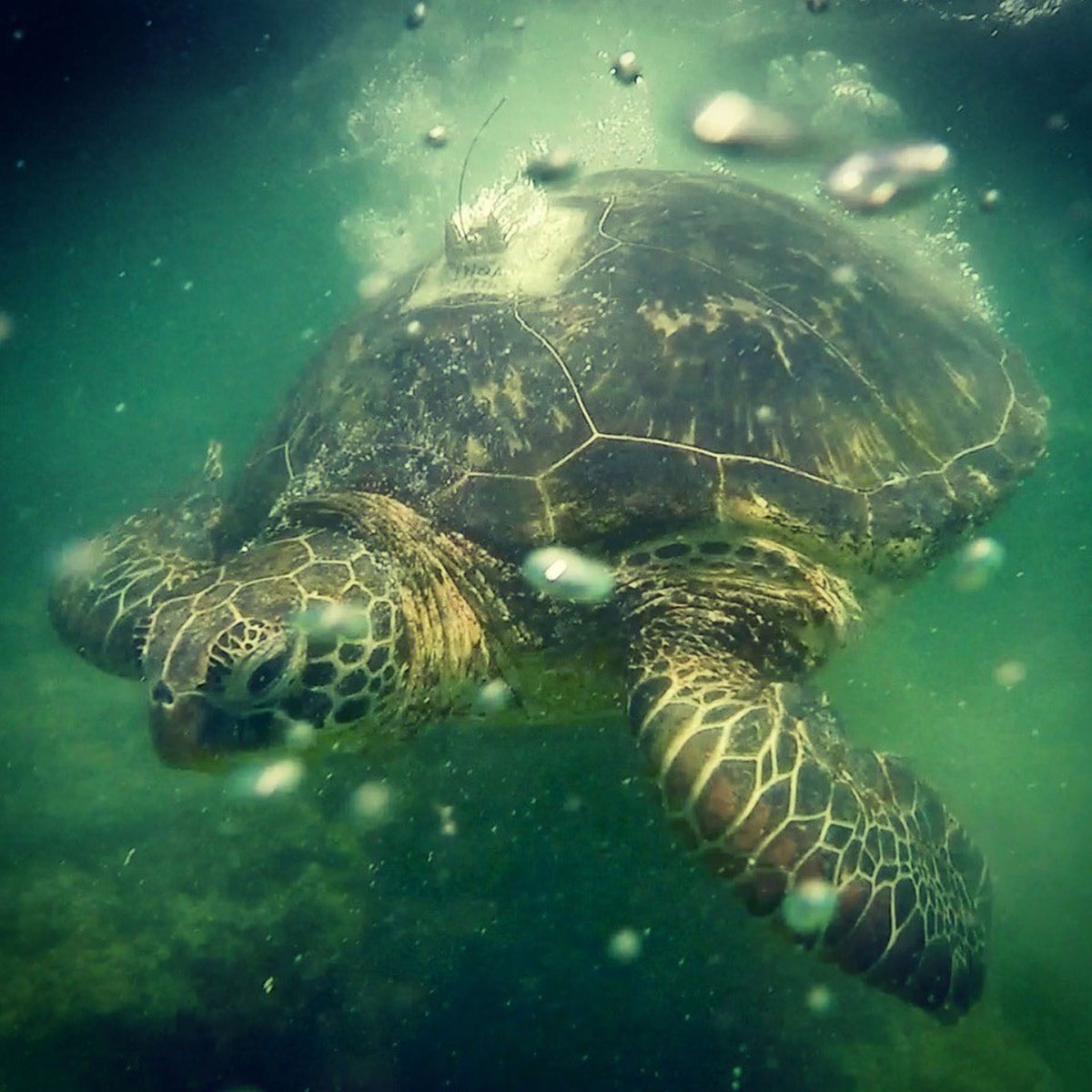
The research team emphasizes that because a single sea turtle may depend on the sea around multiple islands, the foraging habitat on all islands should be fully protected and no area should undergo continued degradation.
This study is titled "Movement of Yellow Green Sea Turtles in the Galapagos Marine Reserve" and was jointly completed by researchers from the University of San Francisco de Quito in Ecuador, Alma College in the United States and other institutions. The relevant paper was published in "Frontiers in Amphibian and Reptile Science" on June 29, 2026. The research was funded by the DOW Foundation, the School of Biological and Environmental Sciences of the University of São Francisco de Quito, the Turtle Island Restoration Network, and the Galapagos Science Center.
Comments