
Abstract:
A study estimates that the brightness of the night sky is increasing at a rate of about 10% per year, and about 80% of the world's population lives under skies affected by light pollution. City streetlights, porch lights, parking lots and sports venues are illuminated all night long, causing many people to forget what it really is like at night. Relevant comments advocate that in addition to the lighting needed to ensure safety and daily activities, people should also have the opportunity to access the dark night sky; protecting darkness does not mean turning off all street lights, but avoiding excessively bright and directionless outdoor lighting.
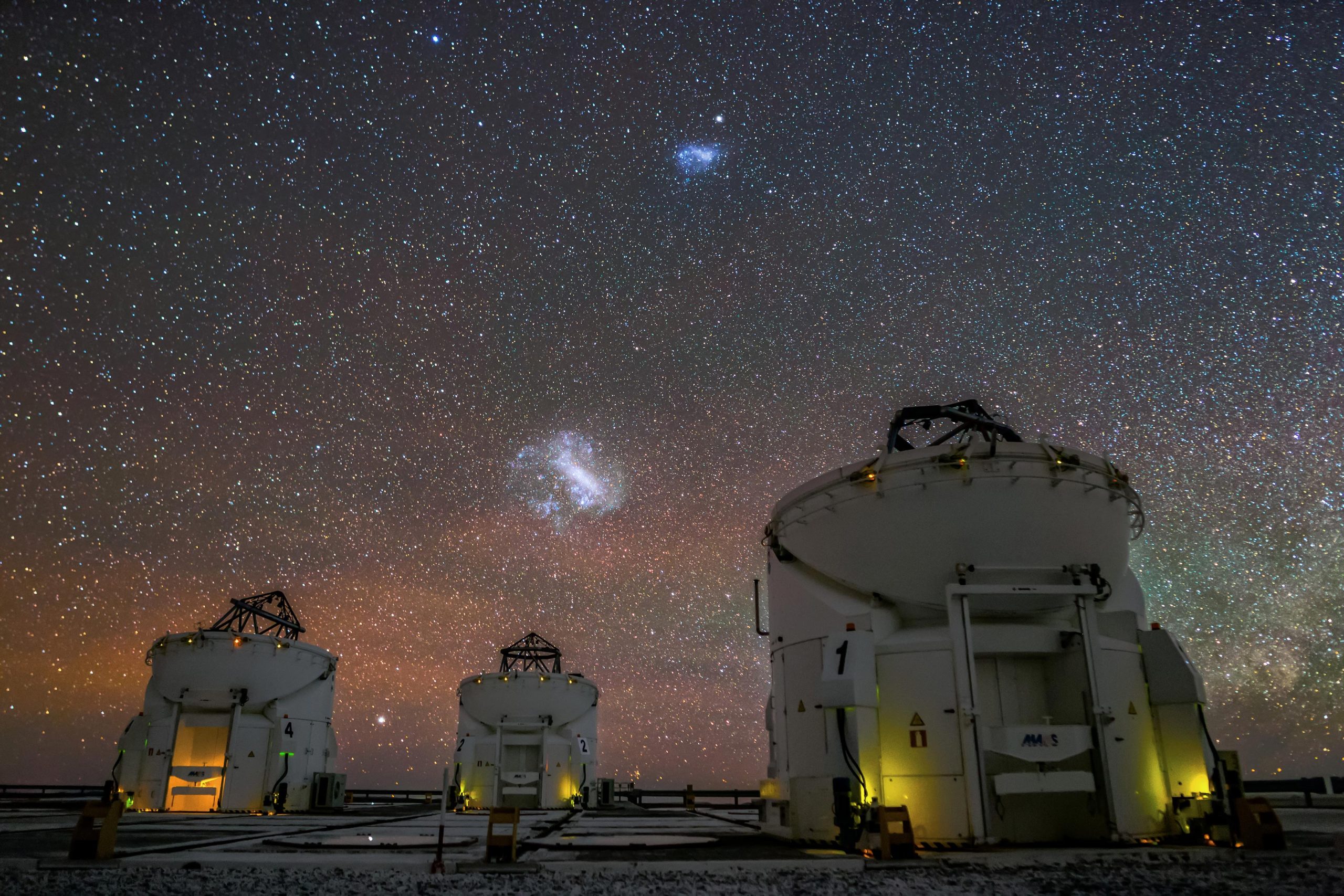
The author of the review recalled that when he lived in Portland, Oregon, even if the indoor lights were turned off, the lights in the corridors and parking lots would still shine through the curtains, making it difficult to fall asleep completely at night. Later, she went to southeastern Oregon for a residency, visiting a remote area that is part of the International Dark Sky Site Network, surrounded by about 2.5 million acres with almost no light pollution. Half an hour after sunset, everyone walked to the dry lake bed, turned their headlamps to red light to protect their night vision, looked up at the sky and saw Venus, Vega, Ursa Minor, Cygnus and Cassiopeia, and then the Milky Way appeared. They also saw meteors and man-made satellites whose movements showed that they were not natural objects; the satellites were so bright that people often stared at them involuntarily.
Cities do not need to cancel lighting to protect night colors. Instead, they can regulate the color temperature, illumination direction and brightness limit of lights through regulations to avoid unnecessary installation of multiple lights or the use of overly bright white floodlights. The lamps only need to achieve the brightness required to complete the lighting task, and should be equipped with masks to control light spillover. Commentators believe that reasonable zoning regulations and even car headlight brightness regulations may help preserve more of the night sky.
Flagstaff, Arizona, USA became the first city to formulate outdoor lighting regulations as early as 1958, and in 2001 it became the first recognized "dark sky city". Local rules limit the amount of lighting used, the type of fixtures and the direction of the light. More cities and towns in the United States and other countries are taking similar measures. New York State is currently reviewing the Dark Sky Protection Act, which plans to tighten outdoor lighting regulations. Some provisions will also affect New York City, which is famous for its nightlife.
Darkness isn’t just about stargazing, it’s also part of the habitat of wildlife. Animals that rely on moonlight to navigate may be misled by artificial lighting. For example, sea turtle larvae may crawl toward parking lots instead of the ocean, and moths may circle around light bulbs. Fireflies and frogs need darkness to complete courtship, and migratory birds may be lured away from their migration routes by the lights of big cities. The effects of light pollution also extend into the day, with studies finding it can disrupt relationships between plants and pollinators, alter tree flowering times, and disrupt biological circadian rhythms. Humans are also affected, with indoor lights or artificial light filtering in from windows interfering with rest; research shows that adequate darkness is important for restoring energy and maintaining health.
In addition to ground lighting, satellites are also becoming a new light source in the night sky. Dark Sky Reserve lighting regulations cannot eliminate the influence of the more than 11,000 Starlink satellites in orbit in the night sky. Other companies plan to use satellites to project artificial light to ground areas on demand, with an illuminating range of up to about 3 miles. The review points out that even if space facilities may affect life on Earth, they do not currently need to undergo environmental impact assessments.
The starry sky used to be mankind’s map, calendar, omen and road sign, helping people identify directions and find their way home; now, more and more people have to spend time and money away from the city in order to see the night sky. Preserving darkness is not about turning every city into the Oregon wilderness, but about allowing more places to retain a few visible stars at night, allowing more creatures to rest, and giving people a chance to look up again no matter where they are.
Comments