
Abstract:
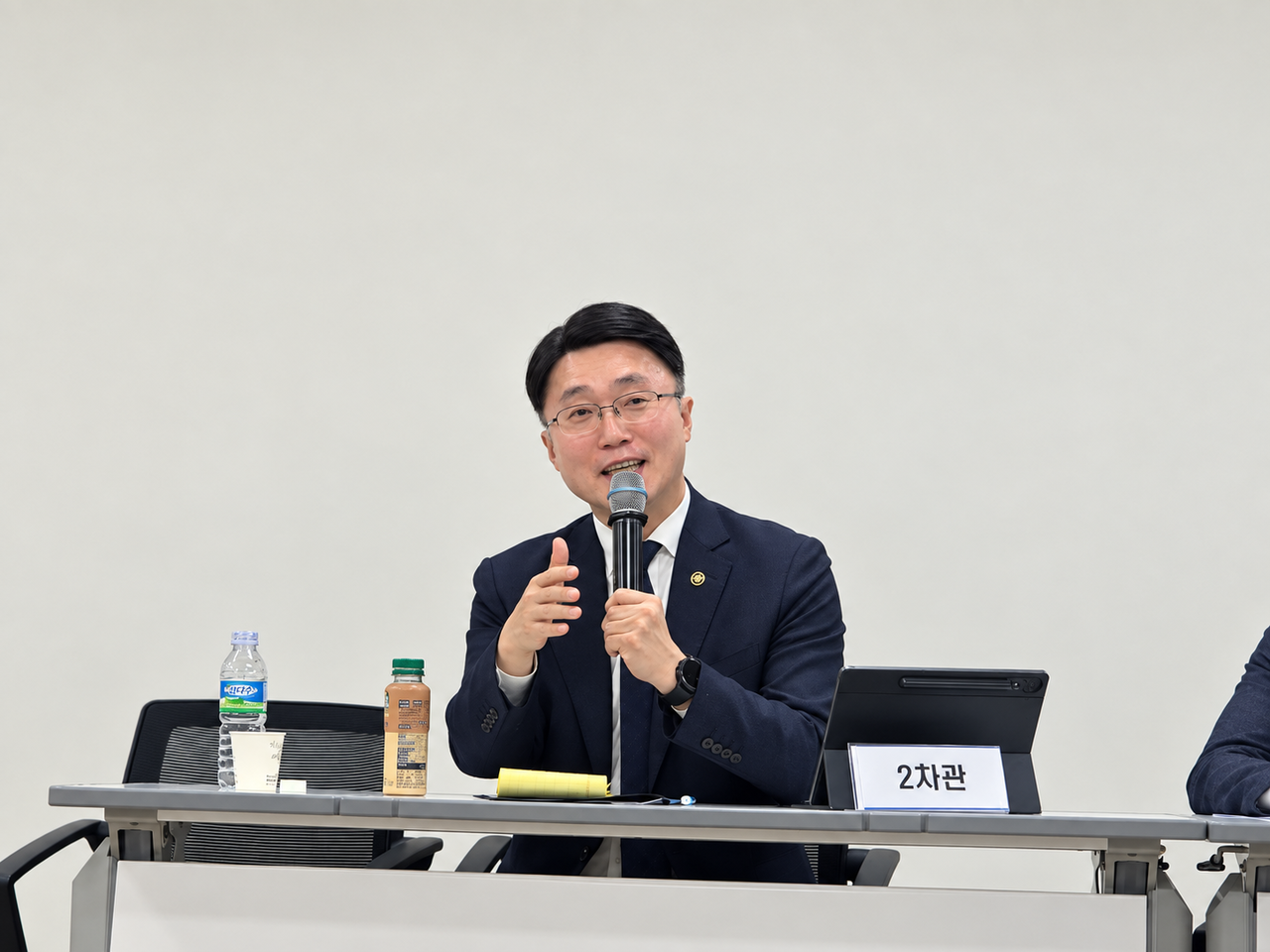
The South Korean government plans to adjust the local artificial intelligence basic model project into two parallel routes starting in 2027: one to concentrate resources on developing cutting-edge models with global competitiveness, and the other to promote South Korea's independently developed models into industrial and public service scenarios. Liu Jiming, the second official of the Ministry of Science, Technology, Information and Communications, said that this move is not to terminate the existing "independent AI basic model" plan, but to increase research and development goals and advance technology development and industry implementation separately.
The cutting-edge AI route plans to invest 4.7 trillion won, approximately 3.5 billion U.S. dollars. The funds are included in the 2027 budget draft and are still subject to review by the Korean Congress. Yonhap News Agency reported that the budget plan details include approximately 3.9 trillion won for the purchase of 10,000 Nvidia Vera Rubin GPUs, 800 billion won for AI training data, and 25 billion won for the introduction of 20 outstanding overseas researchers; the government also plans to combine public equity investment and private capital. However, the specific investment mechanism, corporate division of labor and capital allocation have not yet been finalized.
New projects will select lead developers through competition. The scope of participation is not limited to existing shortlisted companies, but may also include start-ups, corporate alliances, universities and researchers. The government expects to finalize the details after Congress passes the budget in December and start as soon as March 2027; the leading team is expected to be selected around February next year. Liu Jiming said that it is unrealistic for South Korea to compete head-on with the largest AI companies in the United States, but if the investment scale and resources are in place, the goal can be to catch up with the leading Chinese open source model.
Existing competitions will continue. Three teams led by LG AI Research, SK Telecom and Upstage will participate in the third phase of evaluation, and two final teams are expected to be selected in mid-February 2027. The original plan was expected to extend computing resource support to the finalists, but the new plan will reopen competition. Whether existing teams will receive preferential treatment or incentives, and how the two routes will be connected, have not yet been finalized. Liu Jiming said that at this stage, each team has obtained approximately 1,000 high-end GPUs, making it difficult to catch up with the training scale required by cutting-edge models.
The government is also formulating another GPU allocation plan: coordinating the computing resources that have been purchased or will be online soon. According to NVIDIA B200 equivalent specifications, there are approximately 29,000 units. The allocation plan is expected to be announced before the end of the year. The industrial application route will allow smaller-scale or specific field-oriented Korean models to enter enterprises and the public sector, without having to compete with cutting-edge basic models for the same scale of computing power.
Comments