
Abstract:
Microsoft’s classic game “3D Pinball” may have a chance to return to the Windows platform. Recently, Pavan Davuluri, a Microsoft executive in charge of the Windows business, said in response to user questions that the company would include the restoration of the 3D pinball game in a "matrix of matters worthy of consideration." Although this does not mean that the project has started development, it is the first time in recent years that Microsoft management has publicly discussed the possibility of returning this classic game from the Windows XP era.
The incident originated from Microsoft's official "Inside Windows" podcast. A user suggested to Microsoft on social platform In the program, Pawan Davululi, executive vice president of Microsoft's Windows and Devices Division, and Marcus Ash, head of design and research business, answered questions from community users.
However, Davululi also emphasized that this is not a product promise of any kind. He did not say that Microsoft has formed a team to develop 3D pinball, nor did he say that the game will be launched with Windows 11. At present, this idea is only included in the company's internal discussion list and is still far away from actual implementation.
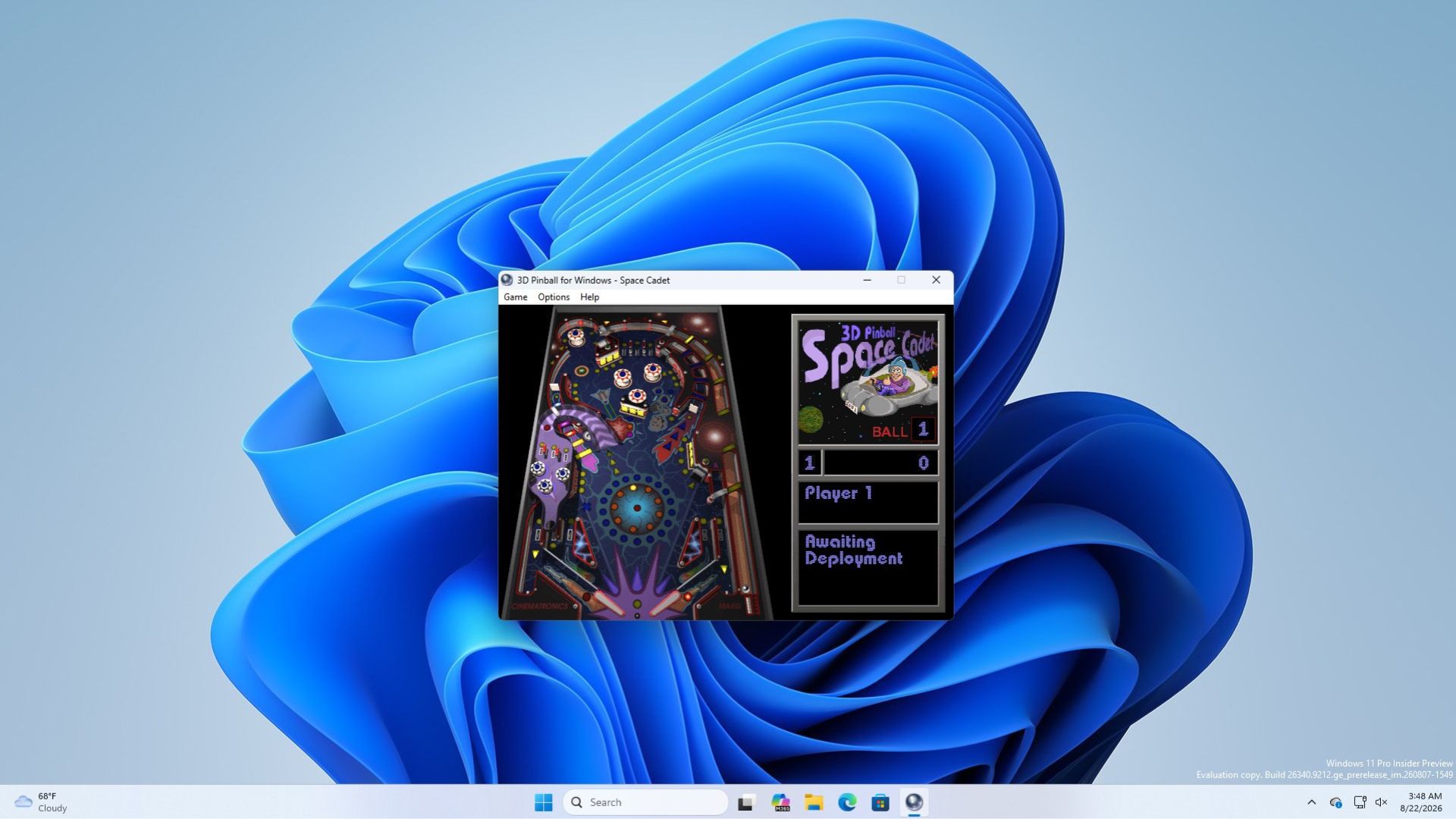
For many users who have experienced the Windows XP era, 3D pinball carries special memories. In an era when app stores were not yet popular and subscription services were not yet available, users could directly experience this built-in game by simply clicking on the "Start Menu" and entering the "All Programs" and "Games" directories. For many people, it is even the first video game they play after being exposed to computers. Like Snake on Nokia mobile phones, it has become a common memory of an era.
In the podcast, Davululi said that players have always maintained a deep passion for games and Windows systems. Microsoft has a rich history from casual games to AAA masterpieces, and Windows has a long tradition of pre-installed games. He said that the 3D pinball suggestions made by users "evoked good memories", so the company decided to add it to future product planning for evaluation.
Industry insiders pointed out that "matter matrix" is more of a management term, which usually means that an idea has entered the discussion stage, but does not mean that it has entered the formal road map. Still, at least Microsoft hasn't dismissed the possibility.
It is worth noting that this podcast was launched as early as the end of May 2026, which means that the proposal to return 3D pinball has actually been on Microsoft's internal discussion list for more than four months.
As to why 3D pinball disappeared from Windows that year, Microsoft senior engineer Raymond Chen once gave an explanation. During the process of migrating Windows XP to a 64-bit architecture, the engineering team discovered that the game's pinballs would pass through obstacles like "ghosts." Because the game was originally developed by an outside company, much of the code lacked comments, and Microsoft was also facing a huge Windows porting effort at the time. After weighing the cost, the company ultimately gave up on fixing the problem rather than continuing to invest significant time troubleshooting the bug.
Raymond Chen admitted at the time that he himself also regretted the decision. Since then, Windows XP has become the last Windows version with native built-in 3D pinball. Since Microsoft only obtained distribution authorization back then, and the game copyright belonged to Cinematronics, even if Microsoft intended to re-launch the work, it may still face licensing complications.

Many Windows enthusiasts believe that the reason why early Windows is so memorable is not only its function itself, but also its unique personality. From 3D pinball, solitaire, Minesweeper to Hover!, to the classic startup sound effects and various easter egg contents in the installation CD, these elements together shape the cultural memory of the Windows brand.
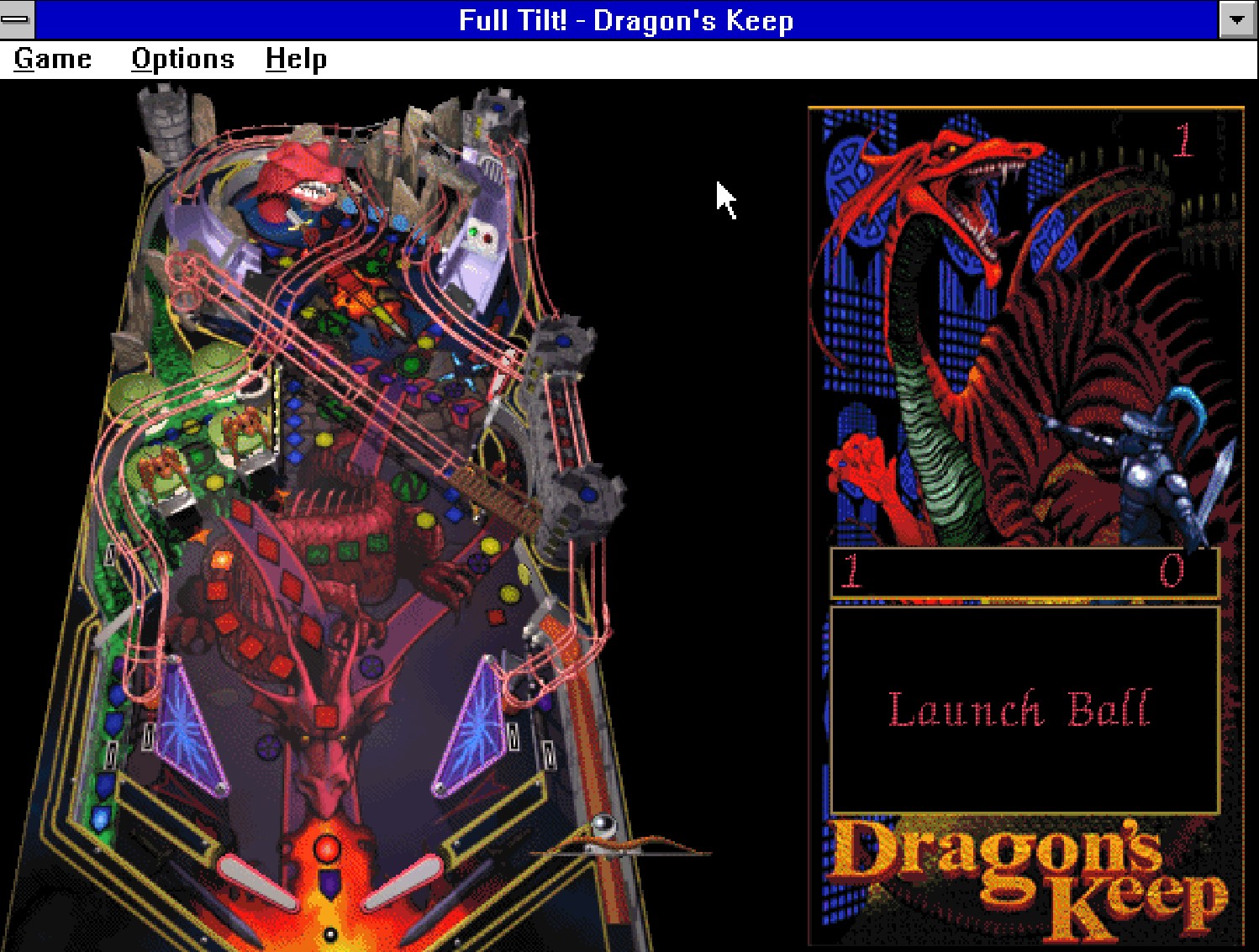
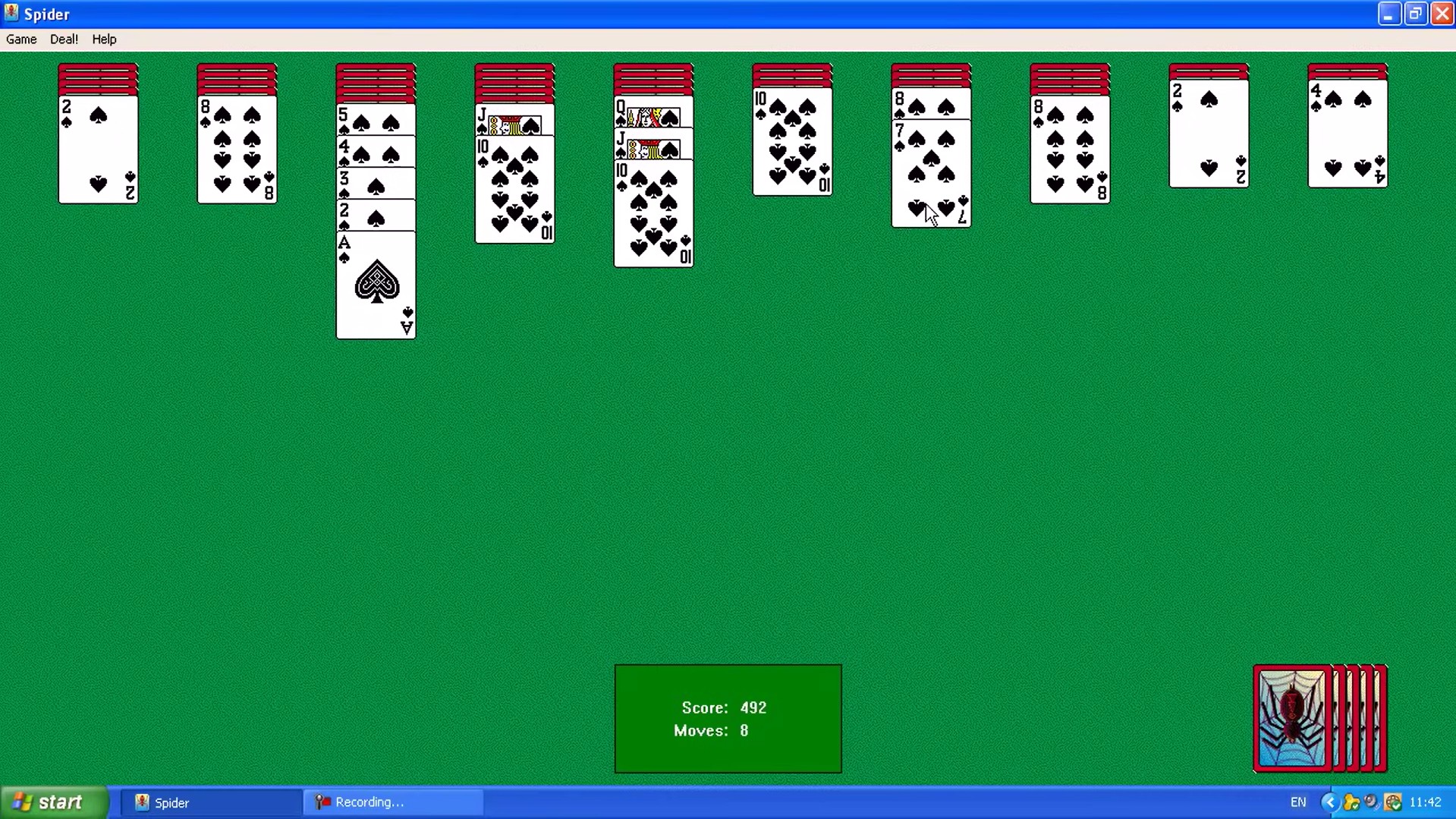
With the advent of the Windows 8 era, traditional built-in games have gradually been moved to the Microsoft Store, and Windows has become increasingly positioned as a productivity tool. At the same time, advertising, online services, and artificial intelligence functions began to take up more system space, and the once interesting designs gradually faded from users’ vision.
Interestingly, in this podcast, Microsoft mentioned many times that it hopes to make Windows more personal again. The two presenters recalled that at a Windows Insider event, a student showed off a deeply customized personal computer, and said that only when users truly feel that "this is my computer" will they have a stronger sense of belonging to the platform.
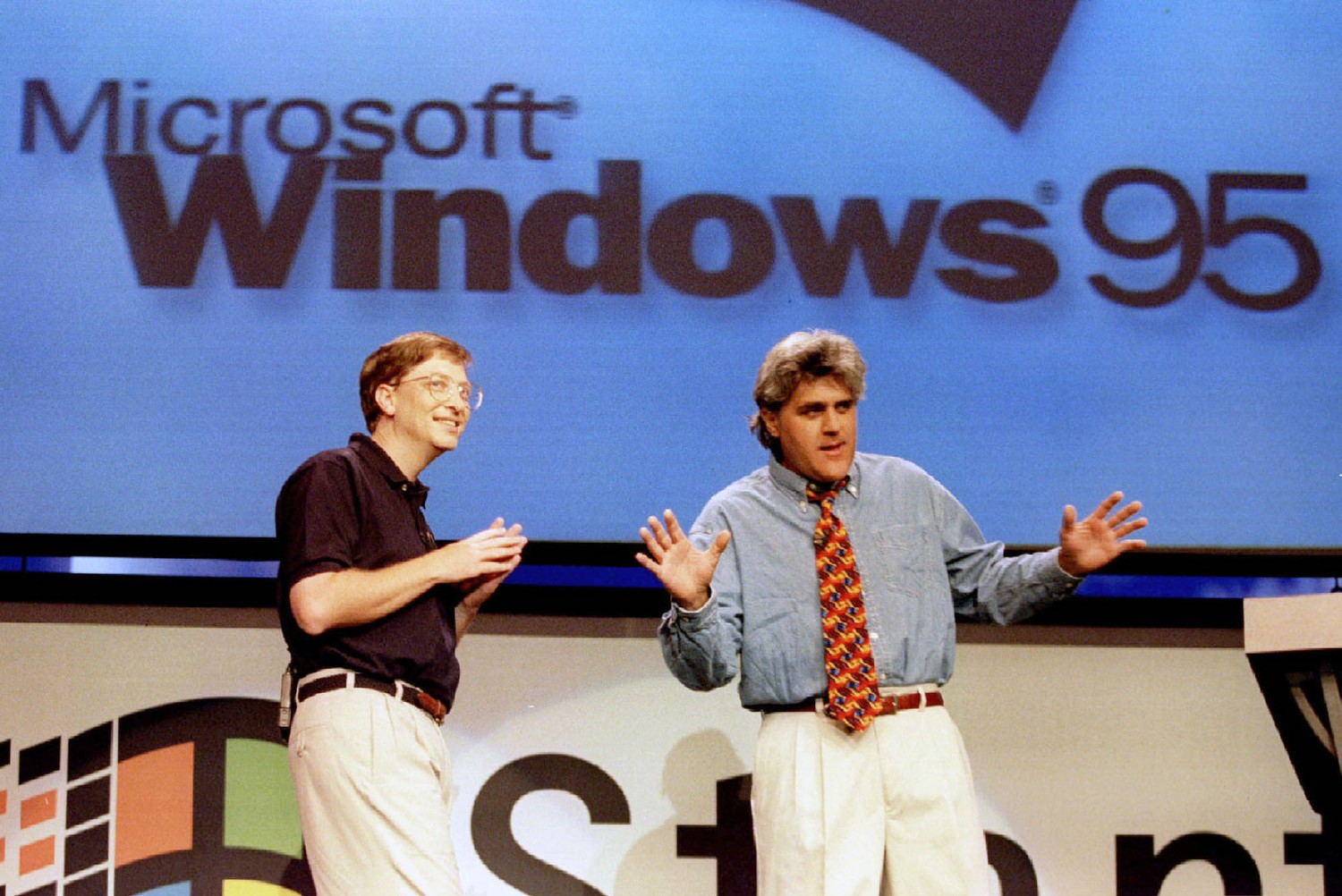
In addition, Marcus Ash also previously hinted that Windows 11 may update the system prompt sound design in the future. The designer responsible for Windows 11 startup sounds has rejoined his team, sparking speculation about the return of classic system sounds.
Although the return of 3D pinball will not change the core competitiveness of Windows 11, it may be able to add some sentiment and fun to this operating system that has been running for many years.
Microsoft plans to hold a Windows and Surface new product event on October 7, where it will announce new developments related to Windows, Surface and NVIDIA RTX Spark. There is currently no sign that 3D pinball will appear at the event, but this possibility has aroused the expectations of many old users.
Today, when artificial intelligence, development tools and performance optimization have become the focus of the industry, many users still remember the time when they worked hard to set the highest score in the "Space Cadet" mode. For them, Windows is not only an operating system, but also a collective memory of the digital age. It remains to be seen whether Microsoft is willing to bring this memory back to modern Windows.
Comments