
Abstract:
On September 22, according to the Wall Street Journal, the supply shortage of rocket capacity is triggering competition throughout the aerospace industry. Currently, companies are looking for new ways to deploy satellites and spacecraft, and many rockets under development are lagging behind. Some executives are pursuing costly strategies to secure launch opportunities, such as building their own rockets or possibly acquiring a rocket company. Launch prices are rising for many missions.
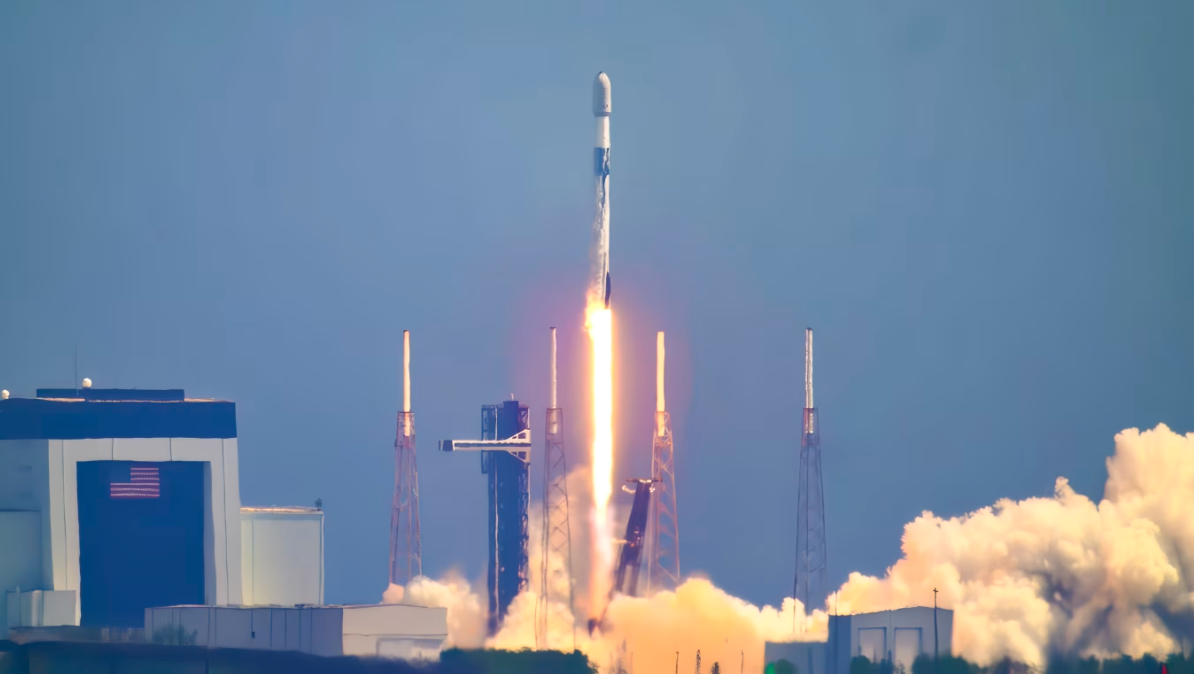
Falcon 9 takes off
A major reason for this tight supply situation is that SpaceX is phasing out its Falcon 9 rocket and instead focusing on its new Starship spacecraft. Falcon 9 is the most used rocket in the world.
People familiar with the matter said that SpaceX has stopped selling single missions for multiple companies to share a Falcon 9. Some companies have been unable to obtain Falcon 9 launch opportunities after 2028.
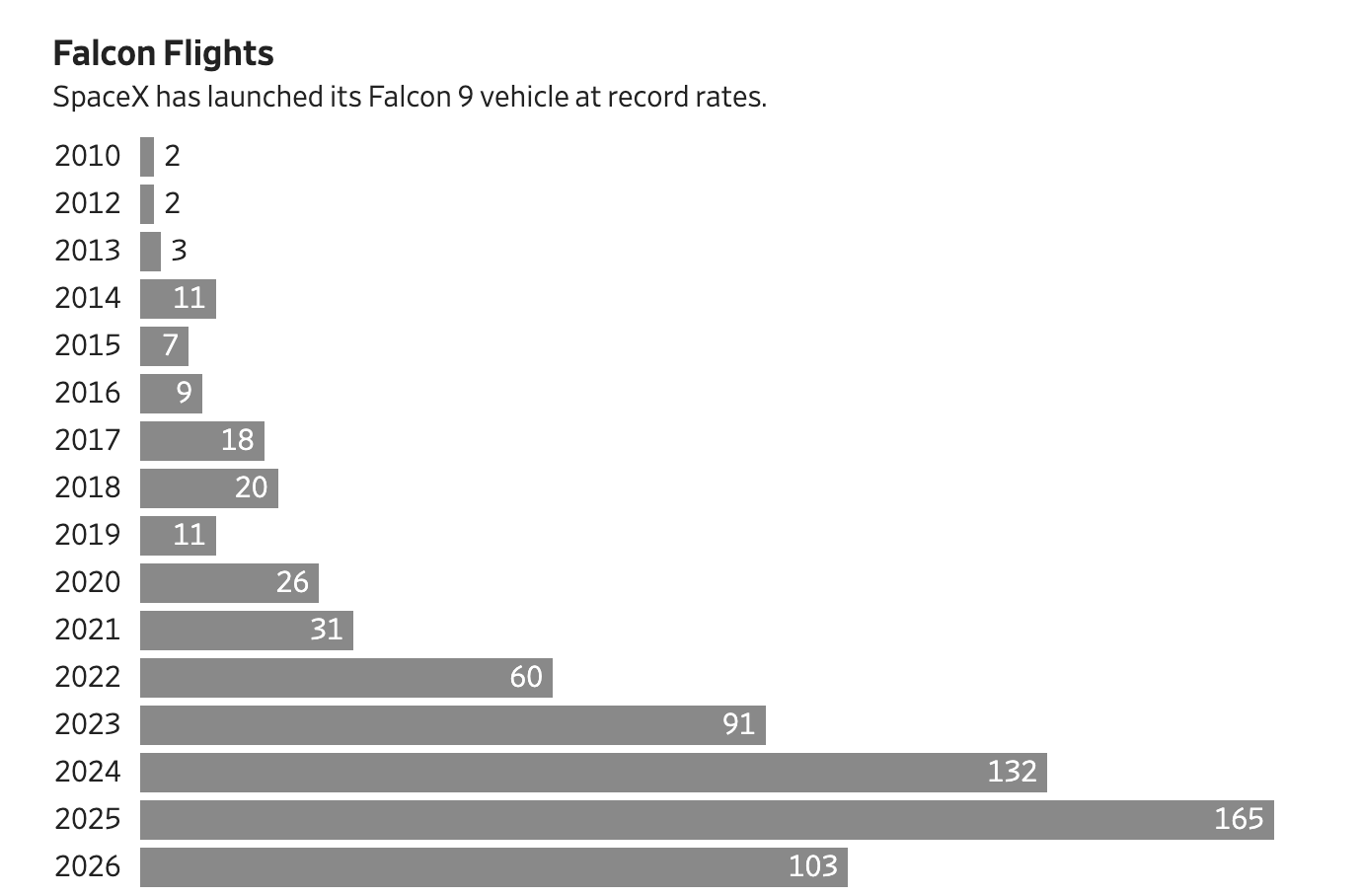
Falcon 9 launches record number of times
As the Falcon 9 is gradually retired, government and space industry officials say launch demand is expected to exceed supply until at least the end of this decade.
“We plan to launch thousands of satellites by 2030,” said Robert Perez-Alemany, director of space affairs at the U.S. Department of Defense’s Defense Innovation Unit. “If capacity cannot keep up with demand, more satellites will have to stay on the ground.”
Market Panic
Although a record number of satellites are already in orbit, governments and companies are eager to deploy more. Investors have poured billions of dollars into aerospace companies in the hope that they can send their own equipment into space.
Right now, satellites are being developed for national security missions, as well as large-scale projects such as President Trump’s proposed Golden Dome missile defense system. Companies also need rocket capacity to launch equipment capable of photographing Earth, delivering cargo to the lunar surface and satellites that provide Internet connectivity. Startups are also developing projects such as orbital data centers and power systems.
"There is a lot of panic in the market right now,"
Andy Lapsa, CEO of Stoke Space, which is developing its own rocket, said. The company's decision to accelerate development of a larger launch vehicle was driven in part by an imbalance between launch supply and demand. It recently completed a $1 billion financing round to support the research and development project and the first flight of the Nova Pathfinder rocket next year.Falcon 9 retired
The Falcon 9 first launched in 2010 and has since launched far more frequently than expected, shattering people's understanding of how often rockets can launch missions. The partially reusable rocket makes it easier and cheaper to get into space, including on single missions where payloads from multiple companies can launch on the same rocket.
The price tag for a standard Falcon 9 mission has increased 19% over the past five years, to $74 million.
Portal Space Systems is a company that develops maneuverable spacecraft for military and other applications. In order to ensure that its spacecraft can enter orbit in 2028, the company decided to purchase a dedicated Falcon 9 launch mission, which was not originally part of the company's plan.
“The development of an aerospace company really depends on when you can get the first batch of hardware into orbit, and then when you can get the next batch of hardware, and the next batch of hardware into orbit,” said Portal CEO Jeff Thornburg. “I can’t afford to let Portal lose the opportunity to go into space.”
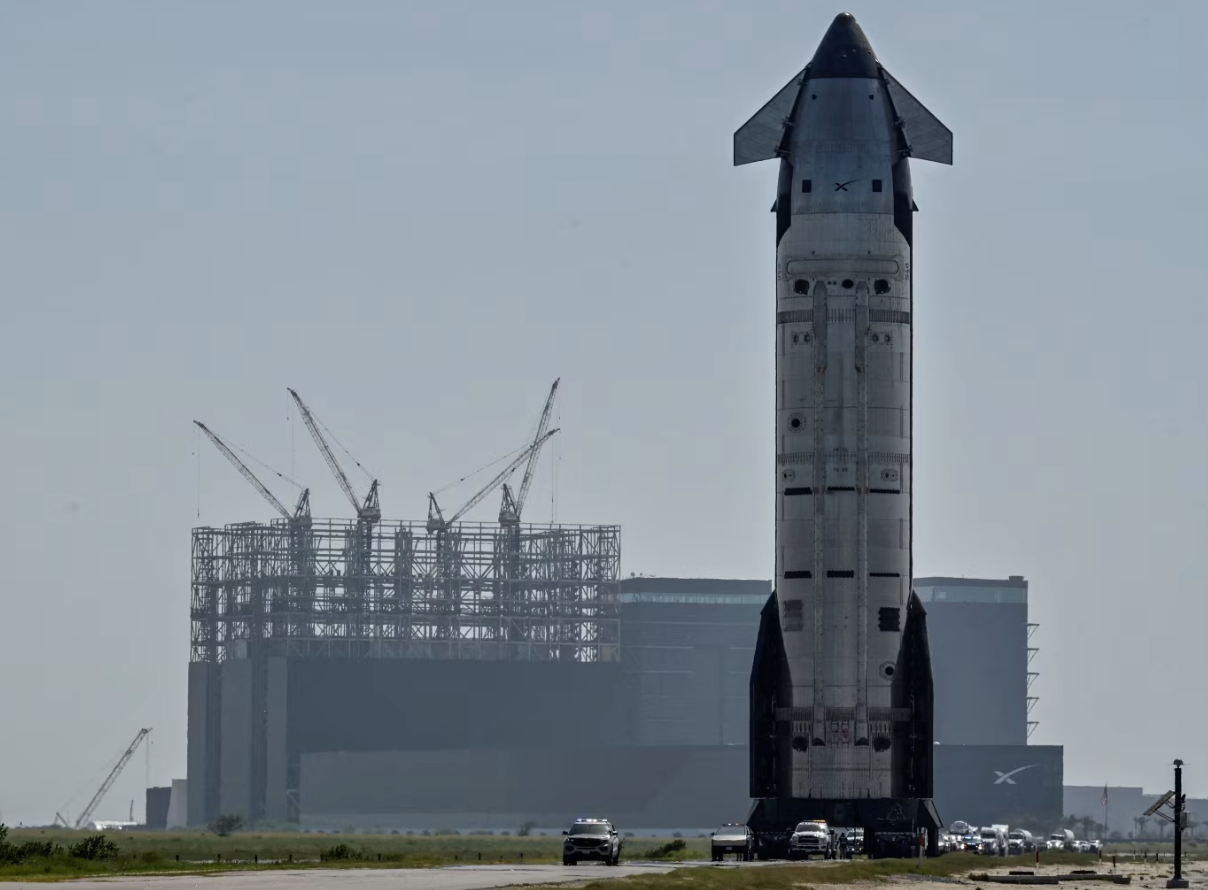
Starship is vital to SpaceX’s future
SpaceX’s future depends largely on Starship. The giant rocket may offer aerospace companies a new option, but many industry executives are still waiting to learn more about when the vehicle will be ready, how much it will cost to launch and how technical hurdles will be resolved.
External customers will have to compete with SpaceX itself for Starship launch opportunities, as SpaceX plans to heavily use the rocket to deliver satellites for its Starlink Internet business and space AI computing. On Starship's next launch, the vehicle will make its first attempt to deploy working Starlink satellites into orbit.
The Falcon 9 won't disappear overnight.
According to people familiar with the matter, SpaceX plans to gradually shut down the Falcon 9 production line after it reserves enough rockets to meet customer needs in the next few years.
The U.S. government is expected to keep the Falcon family busy, with missions for the rocket and its larger versions likely extending into the early 2030s. A spokesman for the U.S. Space Force said the military has booked more than 50 future national security missions, all of which will be performed by Falcons.
It is difficult for opponents to fill up
Other rocket operators are working hard to fill the gap, but it will be difficult to ease the supply squeeze in the short term.
“I am optimistic about the prospect of multiple launch service providers in the future,” said Brian Manning, CEO of positioning and navigation satellite startup Xona Space Systems. “But I do think it will take a few years.”
Increasing the frequency of rocket launches takes time, and setbacks are common. One such setback involves Amazon founder Jeff Bezos' Blue Origin. In May this year, the company's New Glenn rocket exploded at a launch pad in Florida, destroying the launch site. Blue Origin is redeveloping the site and said it has identified the cause of the accident.
The accident caused mission delays for companies such as AST SpaceMobile. AST has previously ordered New Glenn rockets to deploy its satellites for direct-connect communication services to mobile phones.
"We're sorry to see something like this happen," AST President Scott Wisniewski said of the explosion during an investor call last month. He pointed out that Blue Origin is moving forward with the reconstruction of the launch site and plans to launch again this year. "We are not completely pinning our hopes on this matter. If they can do it, of course we will be very happy."
AST's chief financial officer said on the same conference call that the company is looking at ways to better ensure a path for spacecraft to reach orbit, including forming partnerships and even purchasing rocket technology for its own use. The company completed a launch in August, using Falcon 9.
Comments