
Abstract:
A SpaceX Dragon spacecraft successfully returned to Earth recently, bringing back to scientists precious experimental materials including cancer research samples, 3D printed blood vessel structures and space-cultured bacteria. The samples are expected to help researchers further understand human health, cardiovascular disease, drug-resistant bacteria and the effects of long-term space flight on astronauts' bodies.
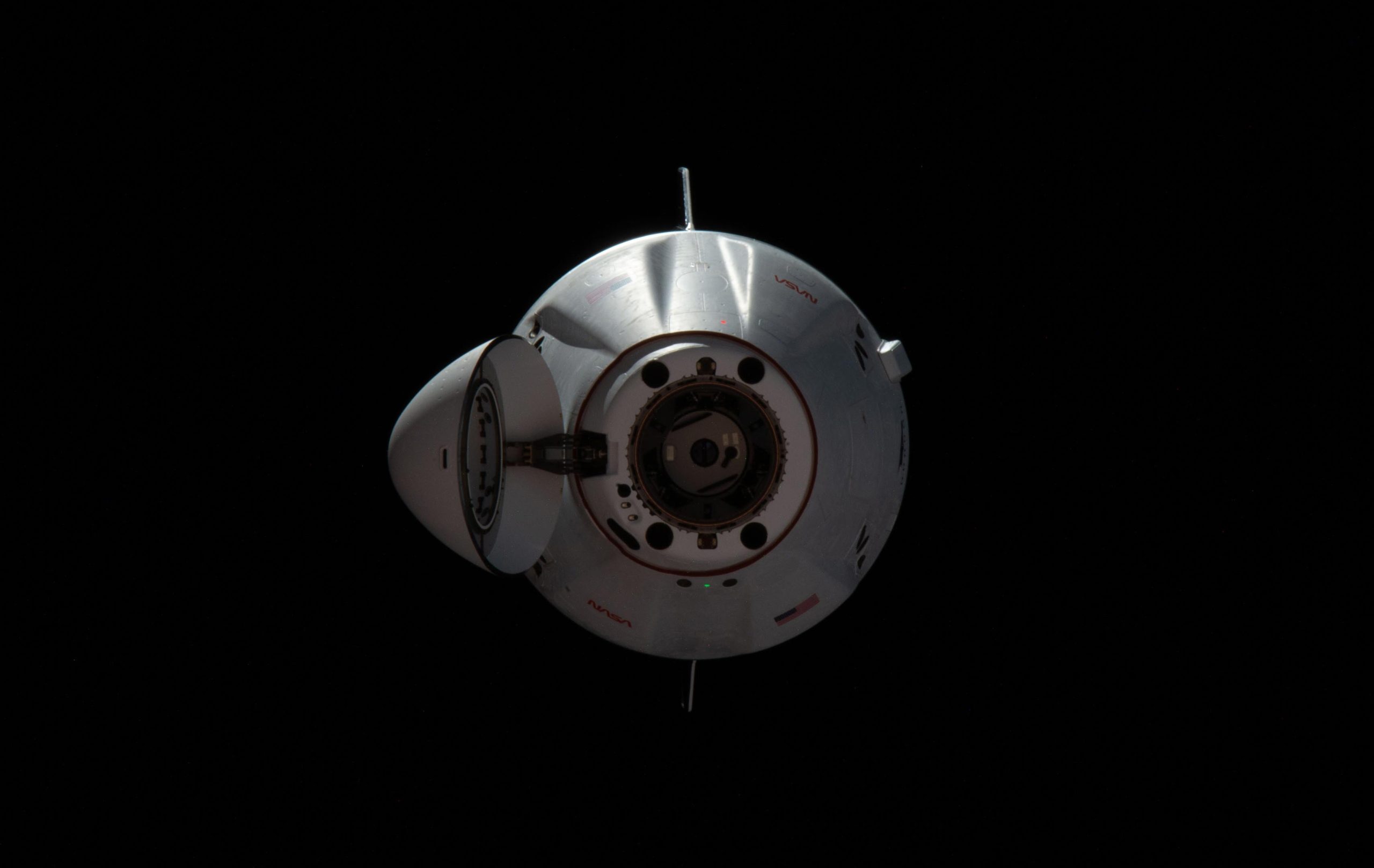
The unmanned Dragon spacecraft splashed down in the waters near Los Angeles at 2:03 pm Pacific time, marking the successful completion of NASA’s 35th SpaceX commercial supply mission. The spacecraft left the International Space Station at 11:05 a.m. on November 20, and then safely returned to the ground the materials and equipment obtained from previous experiments in the orbiting laboratory.
Unlike many spacecraft that are only responsible for delivering supplies to the space station, the Dragon spacecraft has the ability to safely bring back cargo, so it is particularly important for experiments that require in-depth analysis in ground laboratories. The returned cargo will provide scientific researchers with experimental data obtained in a microgravity environment, helping them study how the space environment affects biological tissues and microorganisms.
One of the experiments brought back this time is a set of vascular structures made through 3D bioprinting technology. Bioprinting technology uses living cells and special materials to build structures similar to human tissue. Researchers hope to use the microgravity environment in space to observe how blood vessels age and study the mechanisms of cardiovascular disease.
Under microgravity conditions, objects are almost weightless, and the way cells and tissues grow may be significantly different from those on the ground. Scientists believe that by analyzing these space-grown blood vessel models, they can gain a deeper understanding of biological changes that may affect both space flight crews and Earth populations.
The Dragon spacecraft also brought back frozen tumor organoids that had undergone experimental treatment. Organoids are small tissue models grown in the laboratory that partially reproduce the characteristics of human tissue or tumors and are therefore widely used to study disease mechanisms and test potential treatments.
Researchers hope that these tumor samples that have been processed experimentally on the International Space Station can provide clues to improve cancer treatment and promote the development of personalized medicine. Personalized medicine aims to develop more precise treatment plans based on the patient's individual characteristics.
Another batch of returned samples is related to antibiotic resistance issues. The researchers brought back a batch of frozen microbial samples and planned to analyze how drug-resistant bacteria survive, adapt and evolve in the special environment of space.
Antibiotic resistance has become an increasingly serious challenge in the global medical field. Understanding the changes in bacteria in space may not only help protect astronauts on long-term missions, but may also provide new research ideas for humans to deal with drug-resistant microorganisms. Research in this area is particularly important for deep space missions far away from the earth and with limited medical resources.
The returned goods also include a specialized lighting system. The device, which operated aboard the International Space Station for more than three years, was used to study how light can improve astronauts' sleep quality and overall health.
Light plays an important role in regulating the body's biological clock, which affects a person's waking and sleeping rhythms. The International Space Station orbits the Earth approximately every 90 minutes, and astronauts experience multiple sunrises and sunsets every day, making it extremely difficult to maintain a stable sleep rhythm. The researchers hope that through this experiment, they can provide support for astronaut health management during future long-term space missions.
The mission of the Dragon spacecraft began on October 13. On the same day, it was launched by a SpaceX "Falcon 9" rocket from Launch Station 40 at the Cape Canaveral Space Force Station in Florida, and arrived at the International Space Station on October 15.
After staying at the orbiting laboratory for more than a month, the spacecraft returned to Earth carrying scientific research samples and equipment. Although these experiments have not yet directly led to new medical breakthroughs, the relevant results are expected to provide important references for cancer treatment, cardiovascular health, infectious disease research, and astronaut safety and security.
Scientists say that as research continues to advance, these samples from space may not only benefit patients on Earth, but also help NASA prepare for more distant and long-term deep space exploration missions in the future.
Comments