
Abstract:
Apple's newly released iPhone Duo uses a side Touch ID fingerprint recognition solution, replacing the Face ID facial recognition commonly used in the iPhone product line in recent years. However, a number of media and well-known reviewers pointed out in the latest experience reports that although Touch ID can complete basic unlocking tasks, it brings a significant sense of friction in actual use. Many people think this is one of the biggest compromises of the device.
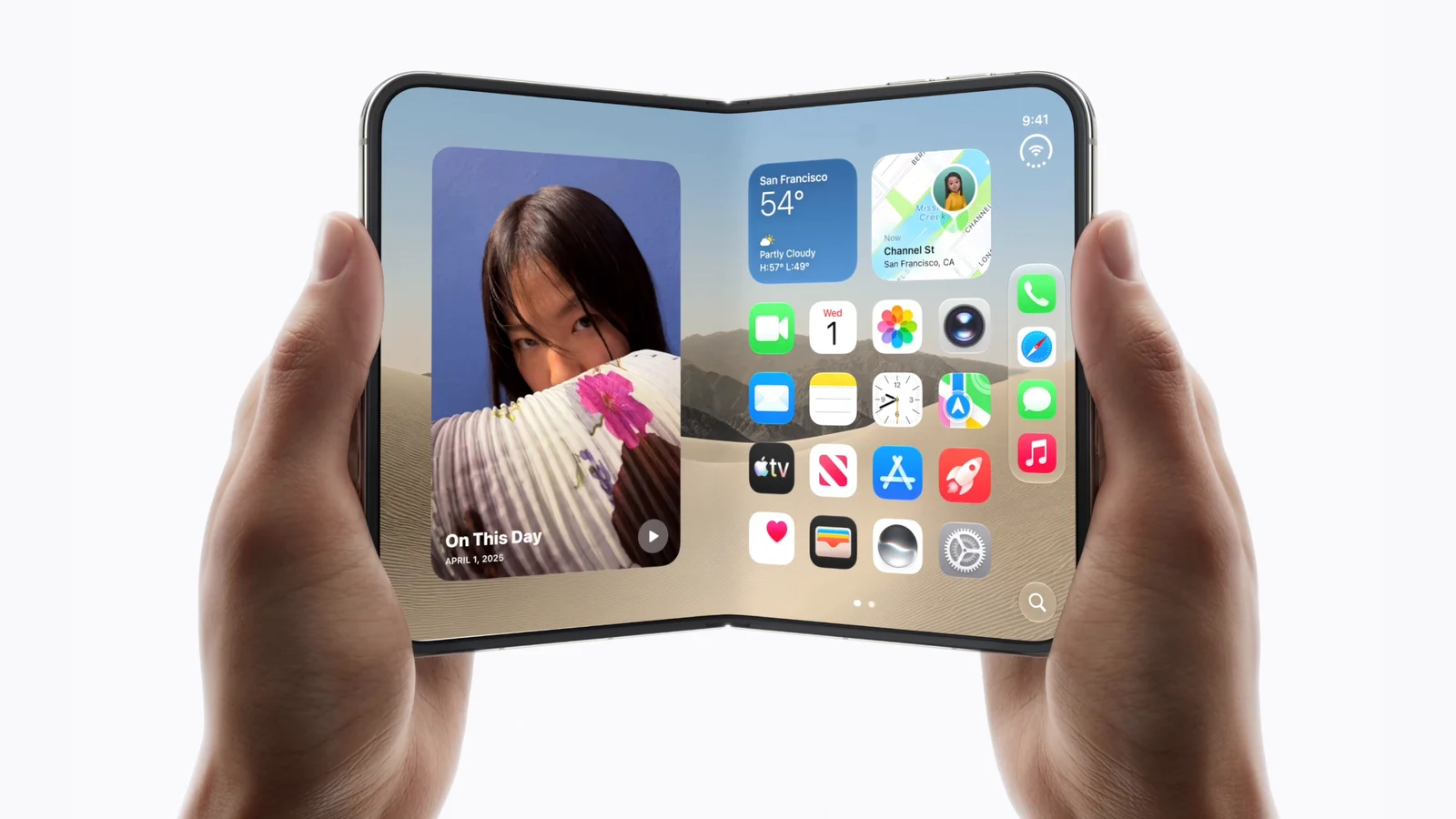
Marques Brownlee, a well-known technology blogger, said that Apple has added a deliberately designed delay mechanism in every Touch ID unlocking process. When the user places their finger on the side button, the device will first stay on the lock screen interface, and if it is kept pressed, it will enter the home screen. Apple obviously hopes that users will have the opportunity to view the notification content before completing the unlocking, but for users who are accustomed to the instant unlocking experience of Face ID, this design will make fingerprint recognition seem sluggish. Brownlee believes that the feature that many users who have upgraded from other iPhones may miss most is Face ID.
Brownlee later found a faster way to operate, that is, first wake up the screen and slide up, and then touch the fingerprint sensor, thereby achieving a closer to instant unlocking experience.
Engadget also pointed out in its review that Touch ID unlocking speed is slower than most users expected. Apple explained to the media that this pause design helps keep iPhone Duo consistent with Touch ID on Mac and iPad, while giving the device time to wake up and display lock screen notifications.
Joanna Stern, a technology columnist for the Wall Street Journal, said that even after using it for a week and entering information from five fingers, she was still often confused when unlocking it. She admitted that she really misses the convenient experience brought by Face ID.
YouTube channel Mrwhosetheboss believes that although long-pressing instead of tapping to complete unlocking is only a subtle change, it may be repeated dozens of times a day, thus continuing to put additional burden on users. He also found that the Touch ID recognition effect will be affected when the hands have just been washed or when the fingers are slightly oily. Additionally, the sensor makes it more natural to use when holding the device in landscape orientation, while not being as convenient as expected in other scenarios.
Photography media PetaPixel criticized Apple's decision to abandon Face ID more harshly, saying it was a wrong choice. The media stated that Touch ID is actually slower to use than Face ID. At the same time, users are prone to accidentally touching the fingerprint button when picking up or moving the phone, triggering frequent tactile feedback warnings, and the device is almost constantly vibrating as a reminder.
As an alternative, Apple allows users to complete device unlocking through Apple Watch. PetaPixel found in tests that this method is even faster than using Touch ID directly, and significantly reduces the inconvenience during daily operations.
Tech reviewer Brian Tong also said that Touch ID feels like a step backwards. He believes that for people who plan to use iPhone Duo for a long time, wearing an Apple Watch will almost become a necessary choice to enhance the experience.
Gizmodo editor Raymond Wong pointed out that whenever he took out iPhone Duo from his desk or pocket, he subconsciously expected Face ID to automatically complete authentication, and then realized that he had to actively put his registered finger on the button. He also mentioned that when paying with Apple Pay, confirmation cannot be completed directly through facial verification as before. In addition, like the old iPhones that use Touch ID, users often need to take off their gloves when wearing gloves in winter to successfully unlock the device.
Not all reviews were negative, though. The Verge believes that about a week is enough for users to re-adapt to the operating logic of Touch ID. After developing a habit, most of the use process will not cause much trouble. 9to5Mac said that although Touch ID may be one of the biggest trade-offs of the iPhone Duo, it still runs quickly and has reliable recognition performance.
Based on various reviews, Touch ID itself is not incapable of unlocking work, but for iPhone users who have used Face ID for many years, the switch from senseless, automated facial recognition to fingerprint recognition that requires active operation has become one of the most controversial experience changes of iPhone Duo. Many reviewers found the device's foldable form factor exciting, but the absence of Face ID also left users with a significant cost of adjusting to their usage habits.
Comments