
Abstract:
Latest research shows that Swiss glaciers are melting at an unprecedented rate. Scientists found that glaciers across Switzerland lost more than 5% of their ice volume in the most recent observation year alone. This figure is not only much higher than the historical average, but also highlights the ongoing climate crisis that the Alps are experiencing.
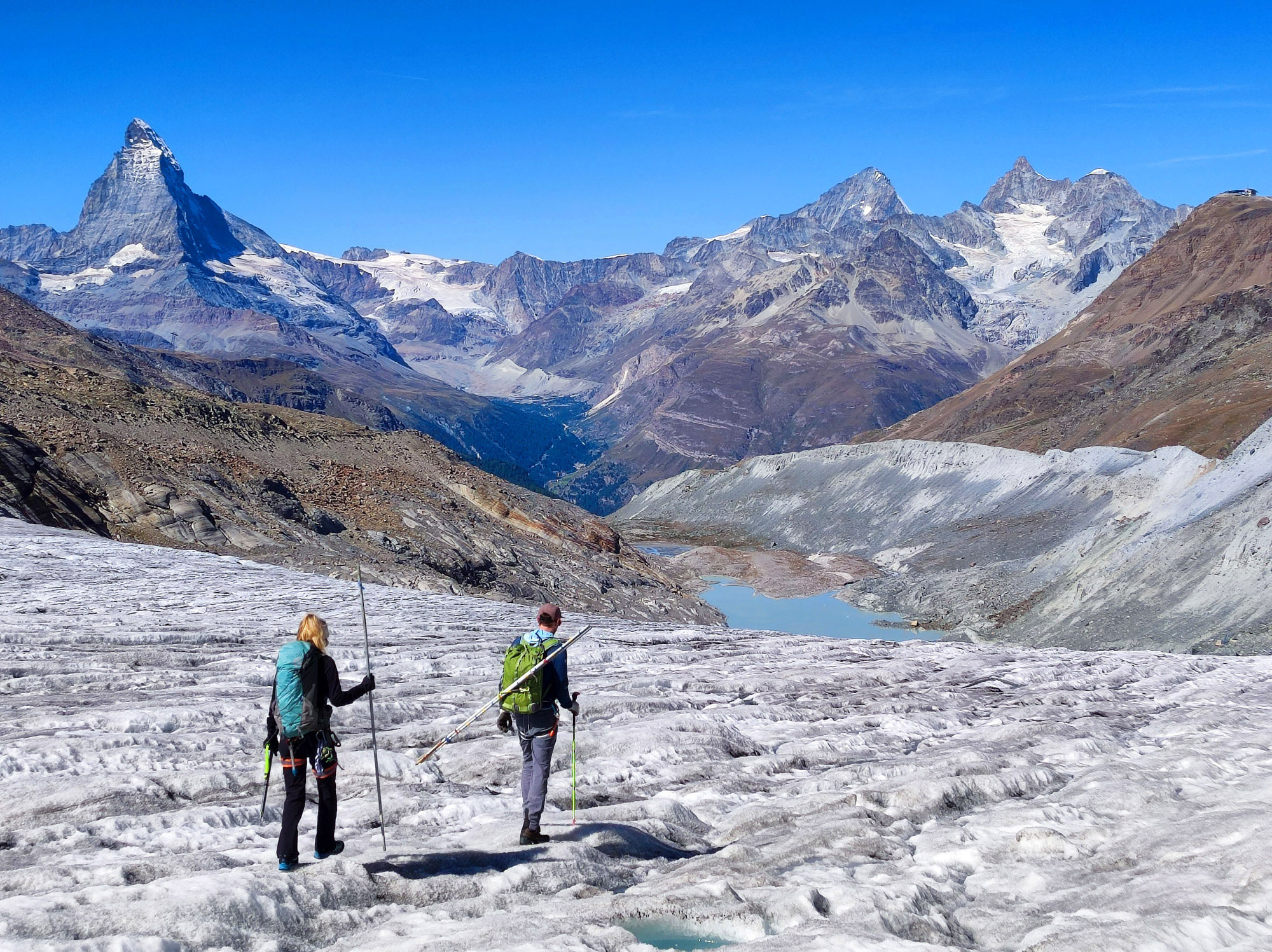
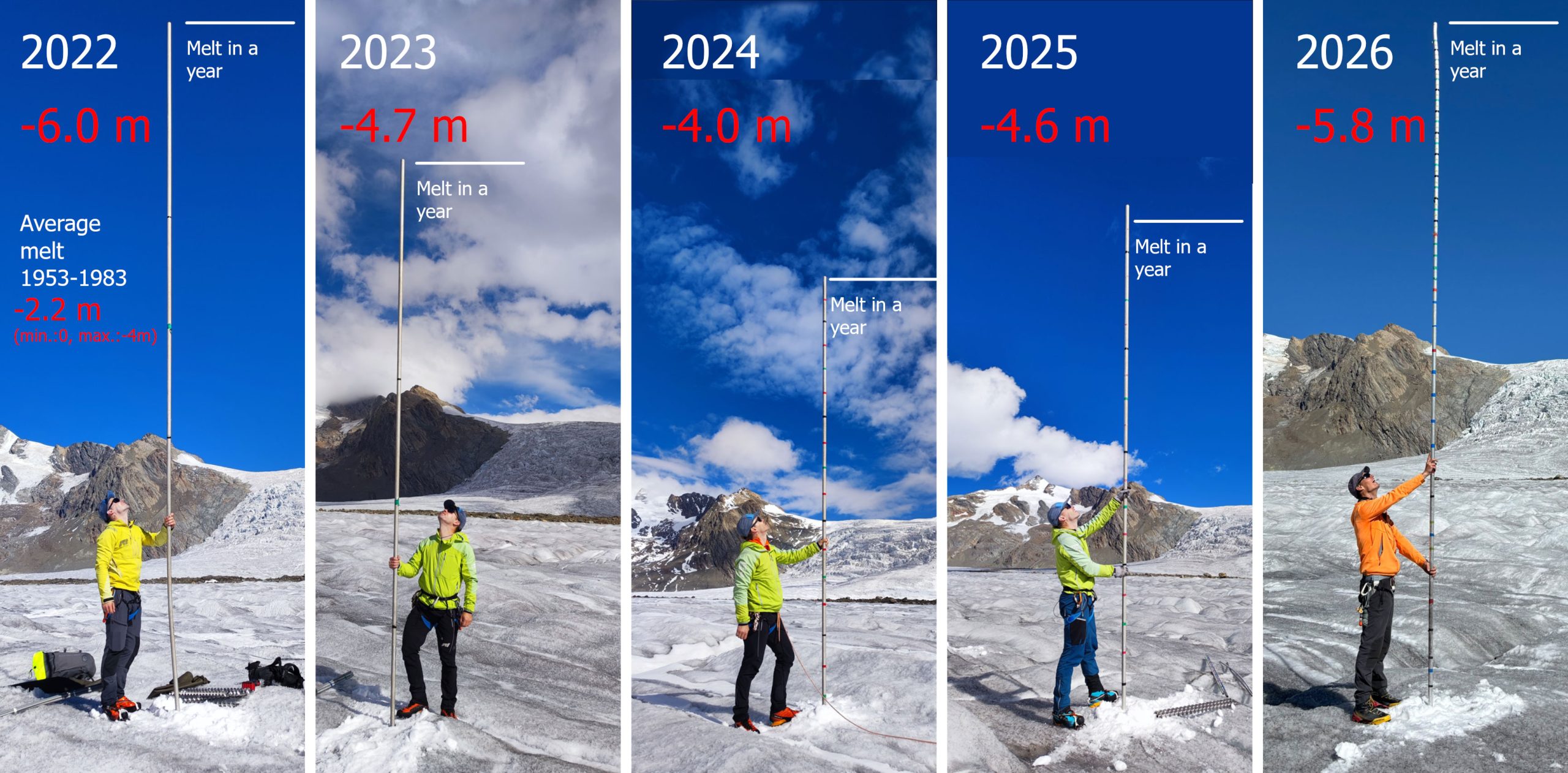
The research team pointed out that such large-scale ice loss usually takes years to occur, but the dual effects of extreme high temperatures and reduced snowfall have significantly accelerated glacier retreat in recent years. Especially in the summer, persistent high temperatures cause the melting rate of the glacier surface to increase significantly, while insufficient snow cover in winter cannot replenish sufficient new ice reserves for the glacier.
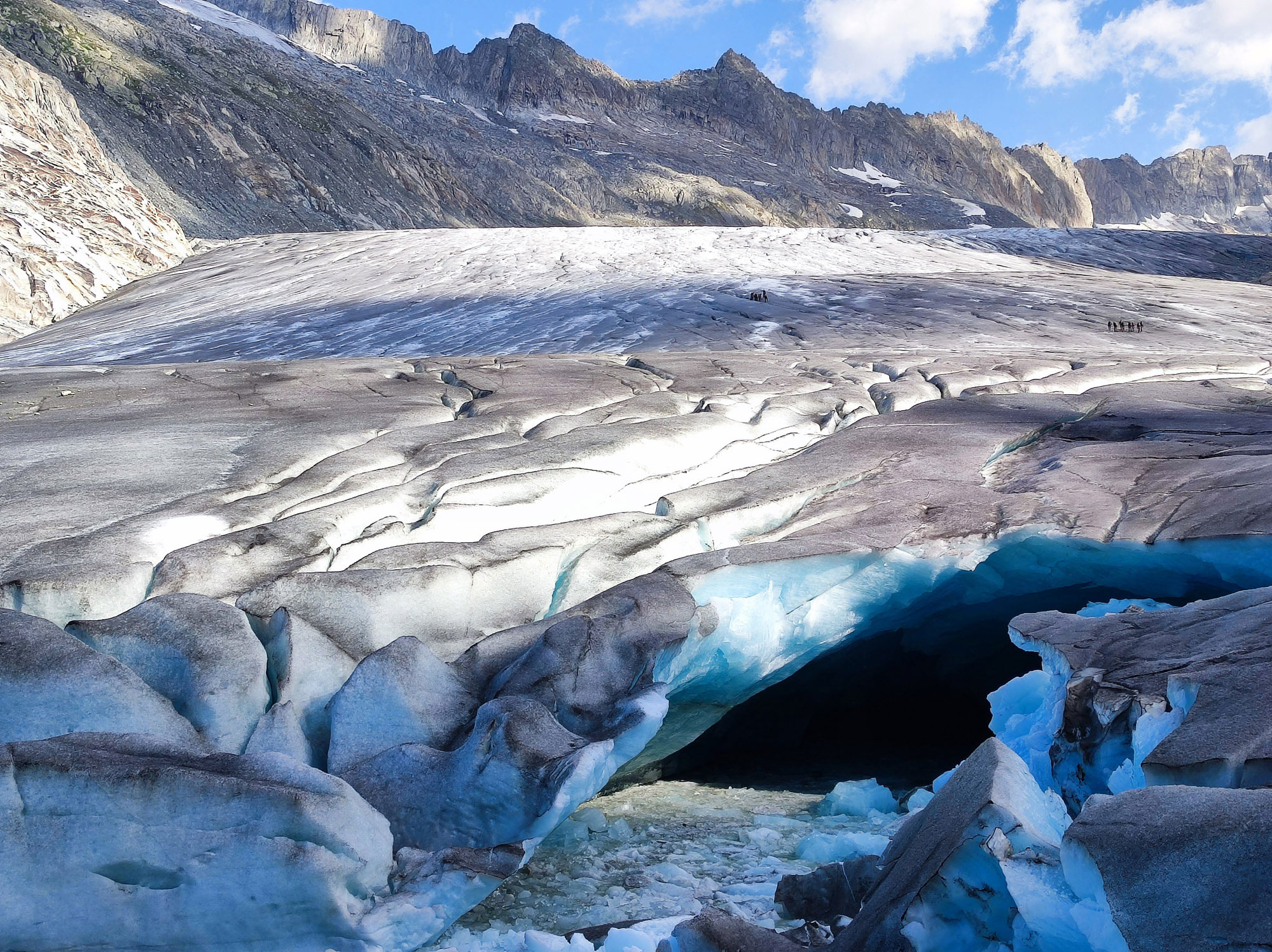
As an important freshwater reserve in Europe, Alpine glaciers play a key role in regional ecosystems, river supply and water security. Researchers warn that if current trends continue, many small and medium-sized glaciers may disappear completely in the coming decades, while large glaciers will also shrink significantly.
Data show that the total volume of Swiss glaciers has continued to decline over the past few decades, and the rate of melting has further accelerated in recent years. Not only are some glaciers significantly shortened in length, but their thickness is also rapidly decreasing. Some rocks, mountains and ancient landforms long covered by ice are being re-exposed to the surface.
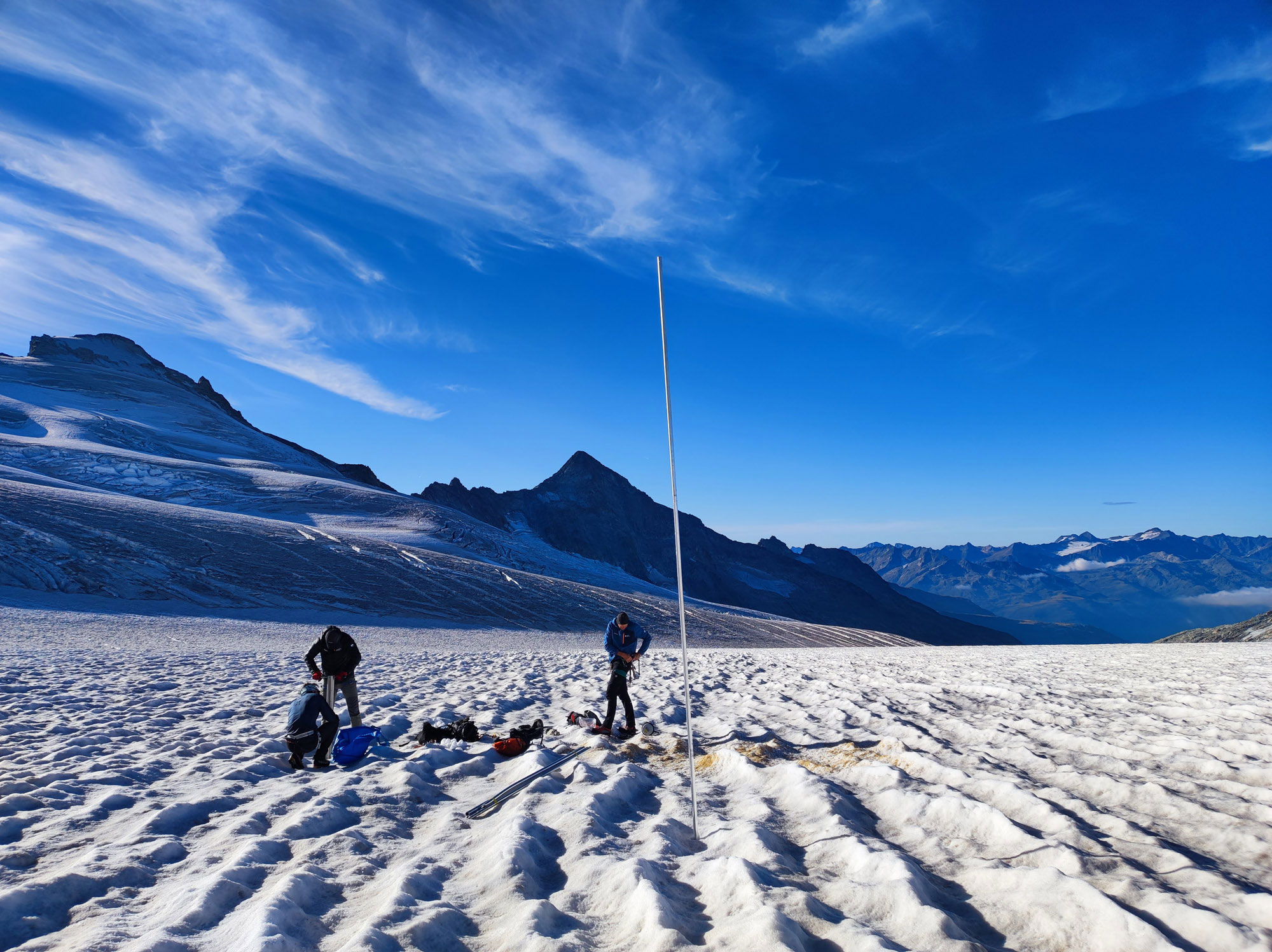
The rapid melting of glaciers also brings new natural risks. As the ice retreats, the originally frozen mountain structure becomes unstable, and the probability of disasters such as landslides, rockfalls, and glacial lake outbursts may increase. At the same time, although meltwater will increase in the short term, in the long term, many rivers in Europe may face declining summer water volumes due to reduced glacier reserves.
Researchers said that glaciers are extremely sensitive to climate change and are therefore often regarded as an important "indicator system" for global warming. The sharp retreat of Swiss glaciers in recent years is consistent with the observations of glaciers in many places around the world. Whether in the Alps, Andes or Arctic, many glaciers are experiencing accelerated melting.
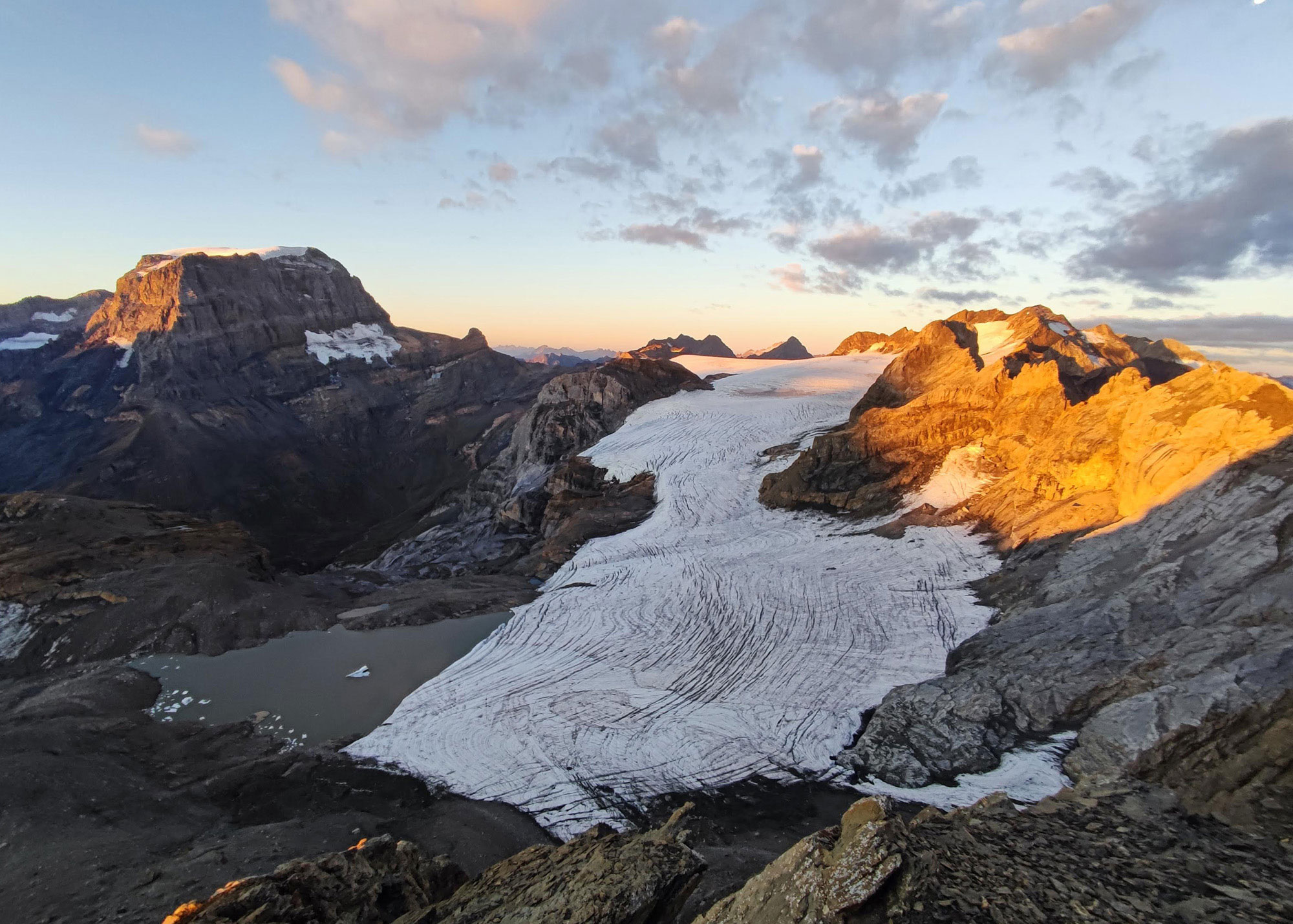
Scientists emphasize that even if global greenhouse gas emissions are effectively controlled in the future, the loss of some glaciers will be difficult to reverse. However, slowing the rate of global warming will still help preserve more glacial resources and reduce long-term ecological, economic and social impacts in the future.
The research team believes that the Swiss glaciers have lost more than 5% of their ice volume in one year, which once again shows that alpine glaciers are in a stage of rapid change, and the fate of glaciers in the next few decades will largely depend on the intensity of global action to combat climate change.
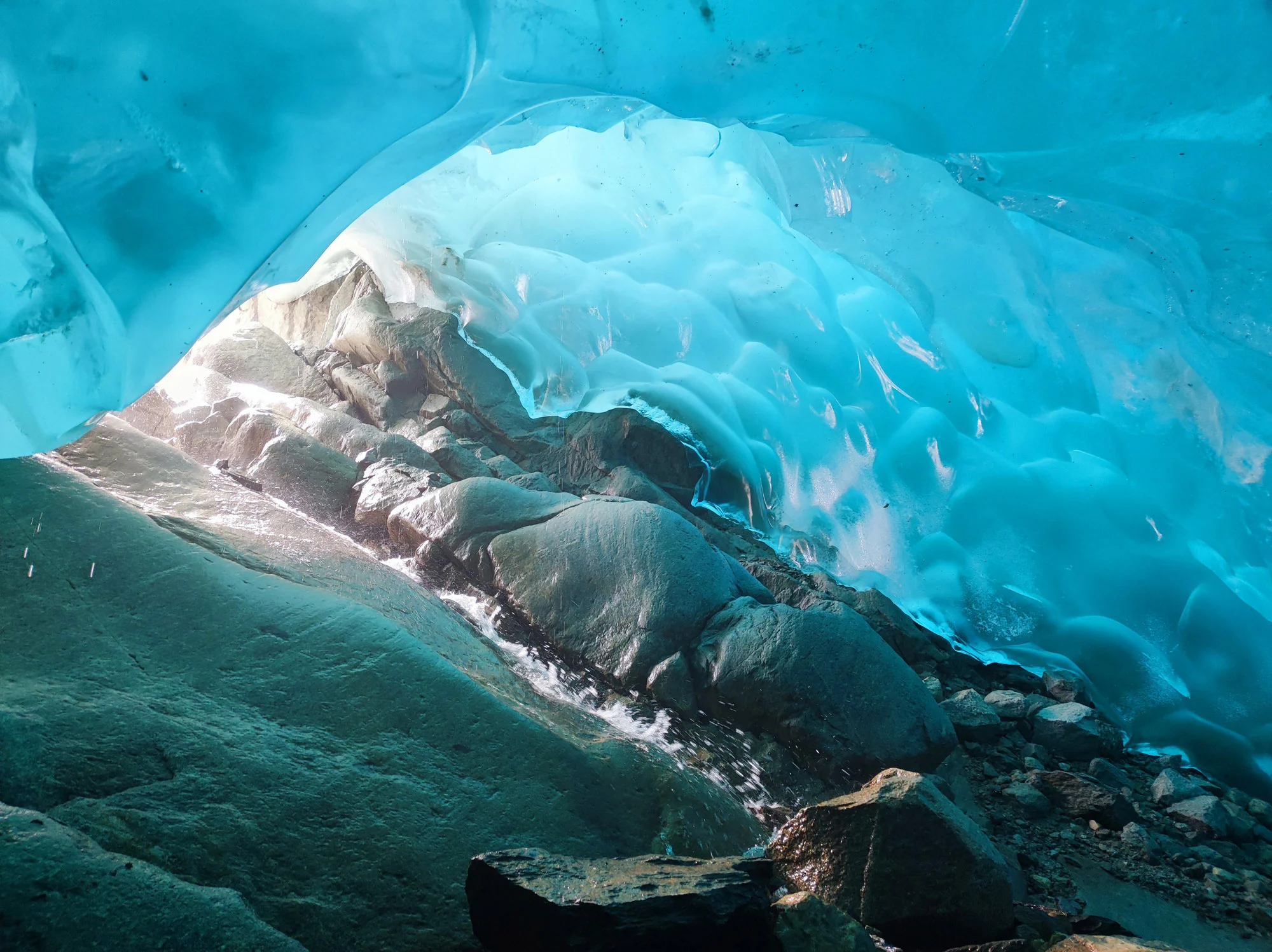
Comments