
Abstract:
For a long time, modern aircraft cabins have used composite materials extensively to meet stringent requirements such as lightweight, high strength and fire resistance. However, these materials are often difficult to recycle at the end of their service life and end up in landfills or incineration. Now, Swiss researchers have developed a new epoxy resin composite material that is expected to change this situation and bring more sustainable solutions to the aviation industry and even the rail transportation industry.
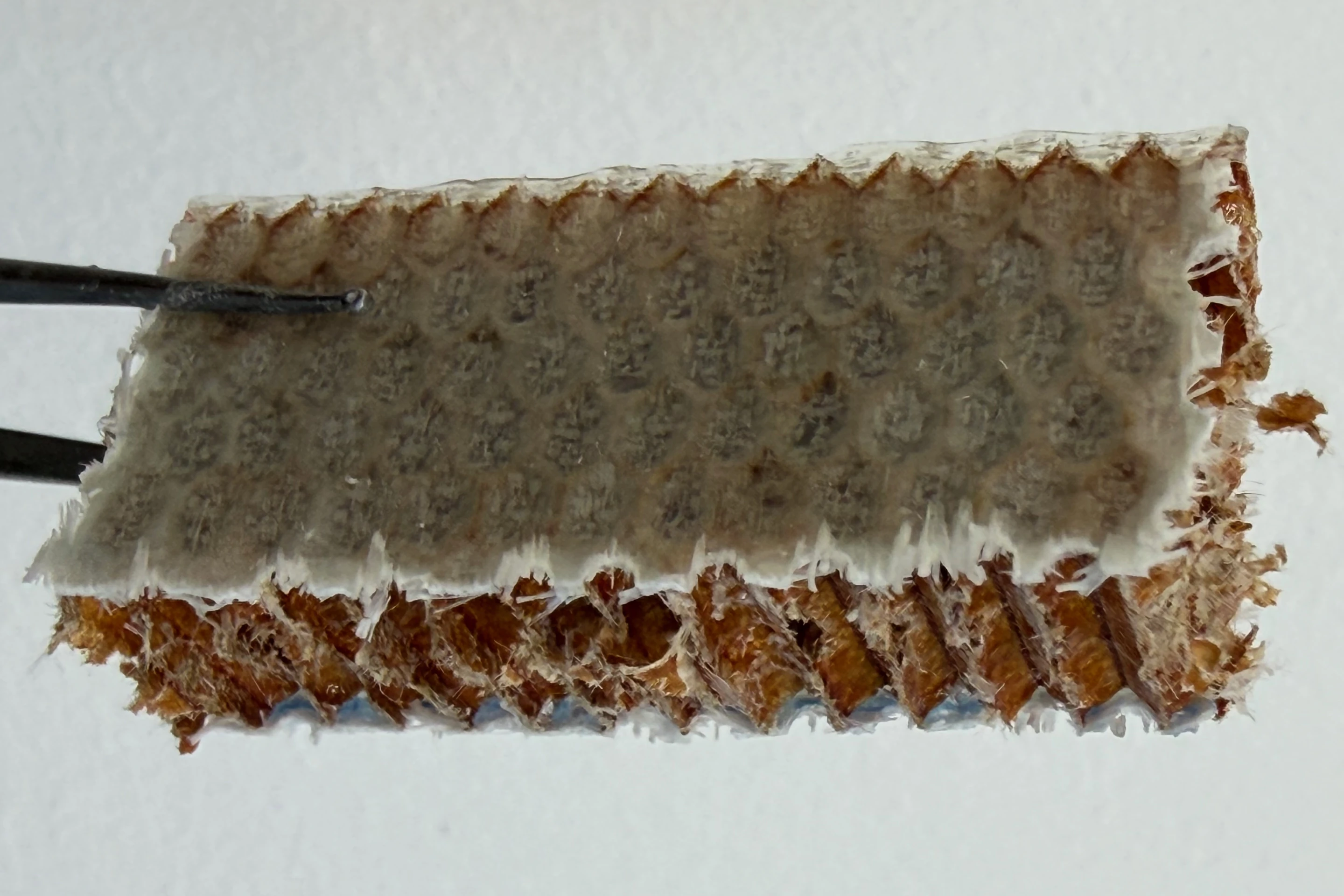
The research was carried out by the Swiss Federal Laboratory for Materials Science and Technology (Empa) in partnership with the specialty chemicals company Elantas. The research team successfully developed a new composite material system that is both flame retardant and recyclable. Its core breakthrough lies in the improvement of traditional epoxy resin.
Epoxy resin is widely used in modern engineering composites because of its ability to firmly combine different materials to form an overall structure that is both lightweight and high-strength. However, this advantage also brings about a problem that has long plagued the industry. Traditional epoxy resin is a thermosetting plastic that forms a stable and permanent molecular cross-linked structure during the curing process, thereby giving the material excellent mechanical properties, heat resistance and dimensional stability. But at the same time, this structure also makes the material difficult to disassemble again, making effective recycling of composite materials almost impossible.
A phosphorus-containing additive developed by researchers changes that. The additive, when mixed with epoxy resin during the manufacturing process, not only gives the material flame-retardant properties, but also allows the cured material to soften and even separate under certain conditions, making recycling possible.
The research team focused this time on a "sandwich honeycomb" structural composite material widely used inside aircraft and trains. This type of material usually consists of a lightweight aramid honeycomb core, covered with a fiberglass or carbon fiber fabric layer on the outside, and then the various parts are firmly bonded with epoxy resin. Due to its high strength, light weight and excellent fire resistance, it is widely used in aircraft cabin floors, train interiors and the internal structures of other transportation equipment.
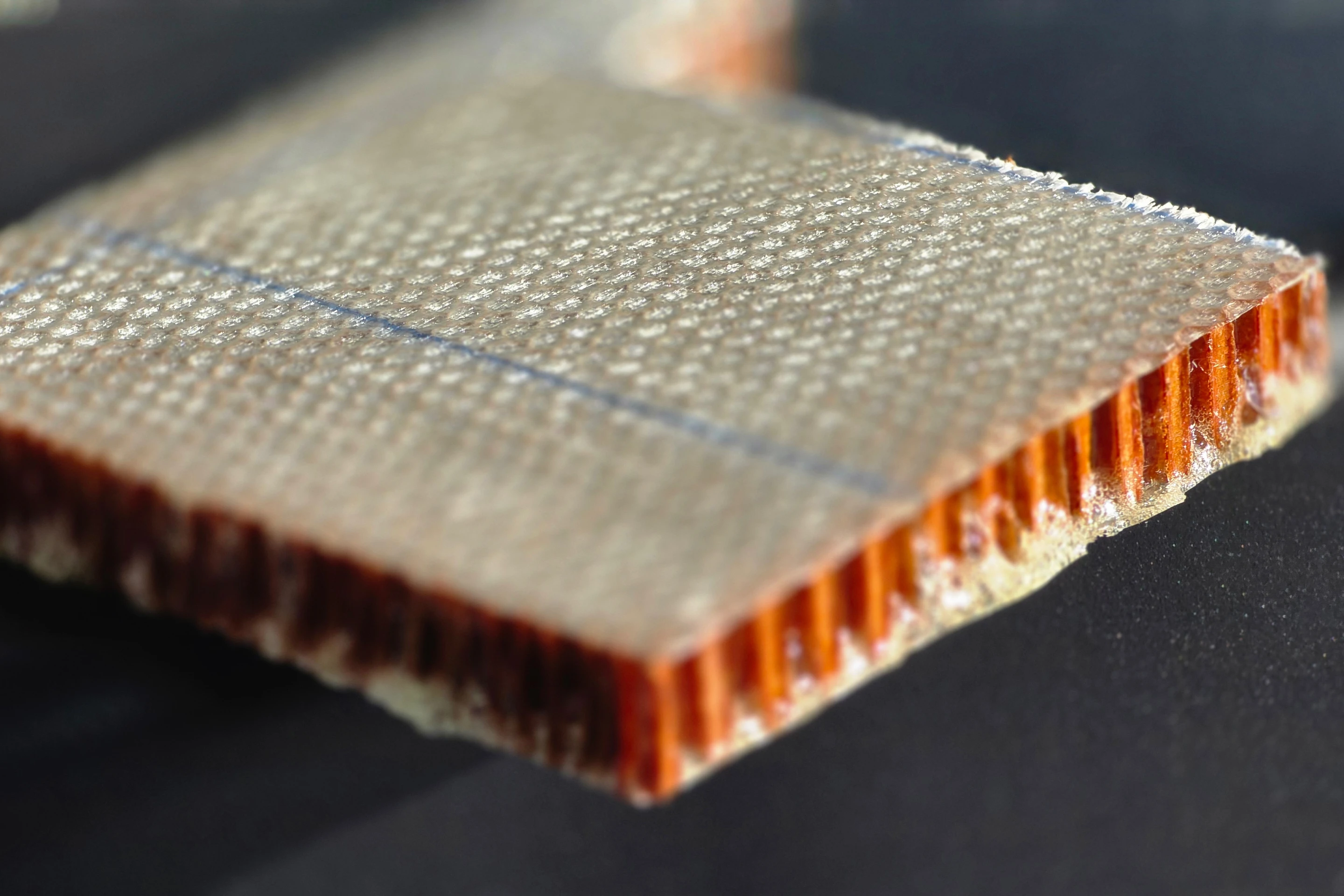
Empa Advanced Fiber Laboratory researcher Sabyasachi Gan said that in the field of engineering, it is a huge challenge to focus on lightweight, mechanical strength, fire resistance and sustainability all in the same material. In many cases, when a material gains one property, it often sacrifices others.
In the framework of a project supported by the Swiss Innovation Agency, the research team and Elantas verified the recycling process of the entire composite structure. The results show that the composite material can be disassembled into its original components using only suitable solvents and moderate heat, successfully recovering the aramid honeycomb structure and glass fiber or carbon fiber layers.
This achievement has important practical significance. Whether it is aramid honeycomb materials or carbon fiber, the manufacturing process requires high costs and large energy inputs. If these high-value materials can be reused after the product is retired, it will not only reduce waste generation, but also help reduce overall life cycle costs.
The researchers said that theoretically, the separated epoxy resin itself is expected to be further recycled in the future, but the relevant technology still requires in-depth research and verification.
Performance tests show that the new composite material has reached relevant fire safety standards, and its mechanical properties are close to those of traditional epoxy resin composite materials. This means that new solutions have the potential to achieve recyclable design goals without sacrificing safety or structural strength.
Currently, the research team is working with Elantas to promote industrial verification work, hoping to expand the production and recycling process to commercial application scale. In addition to the aviation and rail industries, researchers are also evaluating its potential for use in energy infrastructure and construction.
As the aviation industry, rail transit industry, and various high-end manufacturing fields face increasingly stringent environmental requirements, this technology is believed to be expected to promote the transition of composite materials from the traditional model of "once manufacturing and final scrap" to a new stage of recycling. For future aircraft cabins, "lightweight, flame retardant, safe and recyclable" may no longer be conflicting goals, but can be achieved at the same time.
Comments