
Abstract:
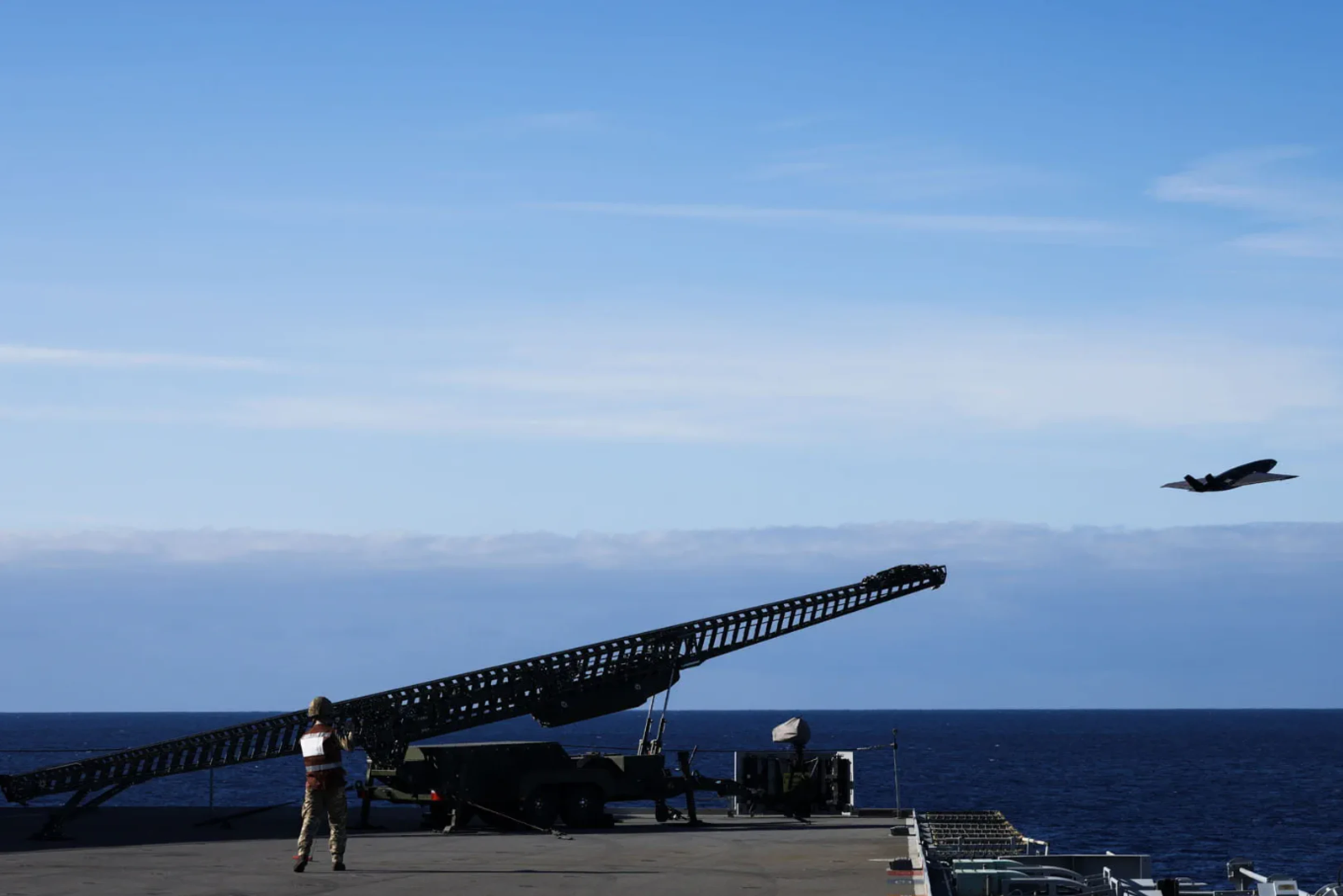
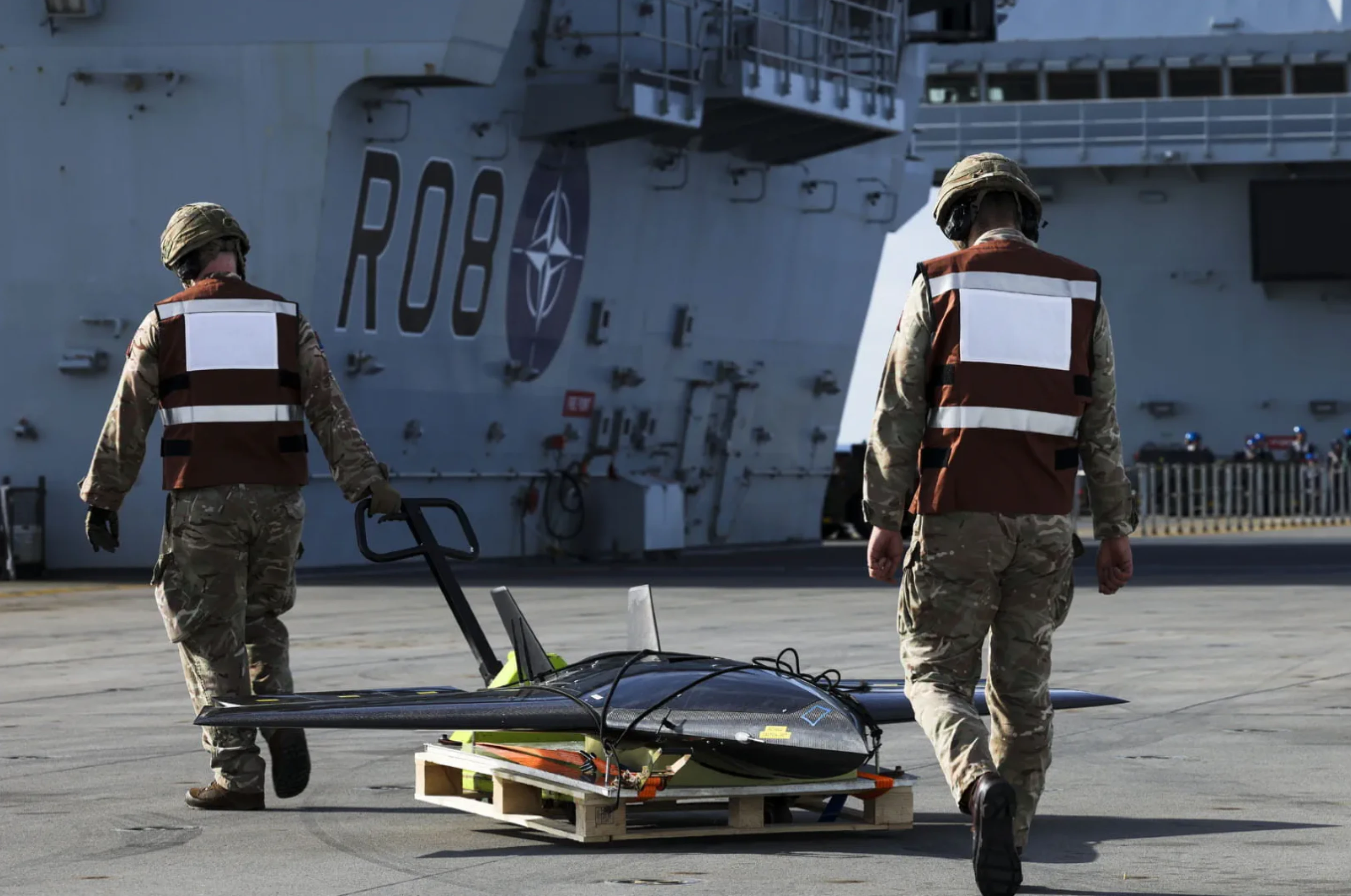
The British Royal Navy recently completed a landmark sea test. During military exercises in the North Atlantic, the 65,000-ton aircraft carrier HMS Queen Elizabeth successfully launched four "Nyan" attack drones from the flight deck. This is an important verification of the coordinated use of unmanned combat aircraft and traditional carrier-based aviation forces, and also marks a key step in the combat capability of carrier-based unmanned aerial vehicles.
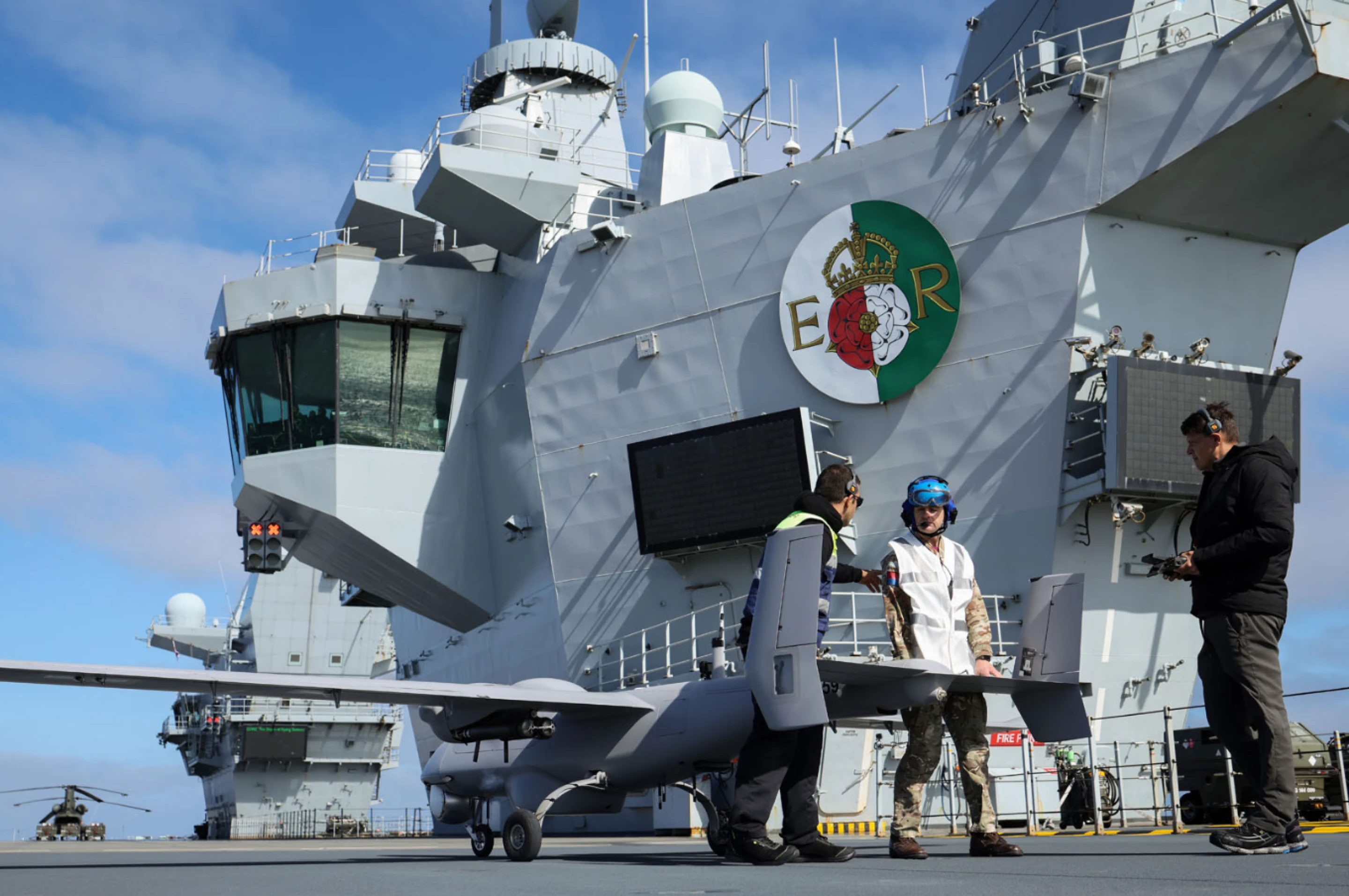
With the widespread application of drone technology in modern warfare, some believe that large warships may be replaced by unmanned systems. However, the reality is more complex. Although drones are changing the mode of military operations, they do not replace traditional combat platforms. Instead, they serve as reconnaissance, support and force multiplication tools, forming a complementary relationship with manned combat systems. Main ships such as large aircraft carriers are still an important support platform for the unmanned combat system, and drones can also significantly improve the combat range and efficiency of the fleet.
Based on the experience gained from many military exercises in recent years, the British Royal Navy is promoting the construction of a "mixed fleet" concept, especially the realization of coordinated operation of manned and unmanned combat platforms in the aircraft carrier air wing. In the future, UAVs will form a more complete maritime combat system together with Britain's active aircraft carriers, pilots and F-35B "Lightning II" stealth fighters.
To achieve this goal, attack drones must be able to take off and land directly from the aircraft carrier. This is particularly important for aircraft carriers such as the British "Queen Elizabeth" class that adopt short takeoff and vertical landing (STOVL) design. Unlike the U.S. and French navies, whose carriers are equipped with traditional catapult and arresting cable systems, most allied navies rely primarily on ski jump decks for takeoffs. Therefore, in the future, ship-based drones will not only need to adapt to ski-jump aircraft carriers, but also be able to be deployed on a variety of platforms such as amphibious assault ships and helicopter landing ships.
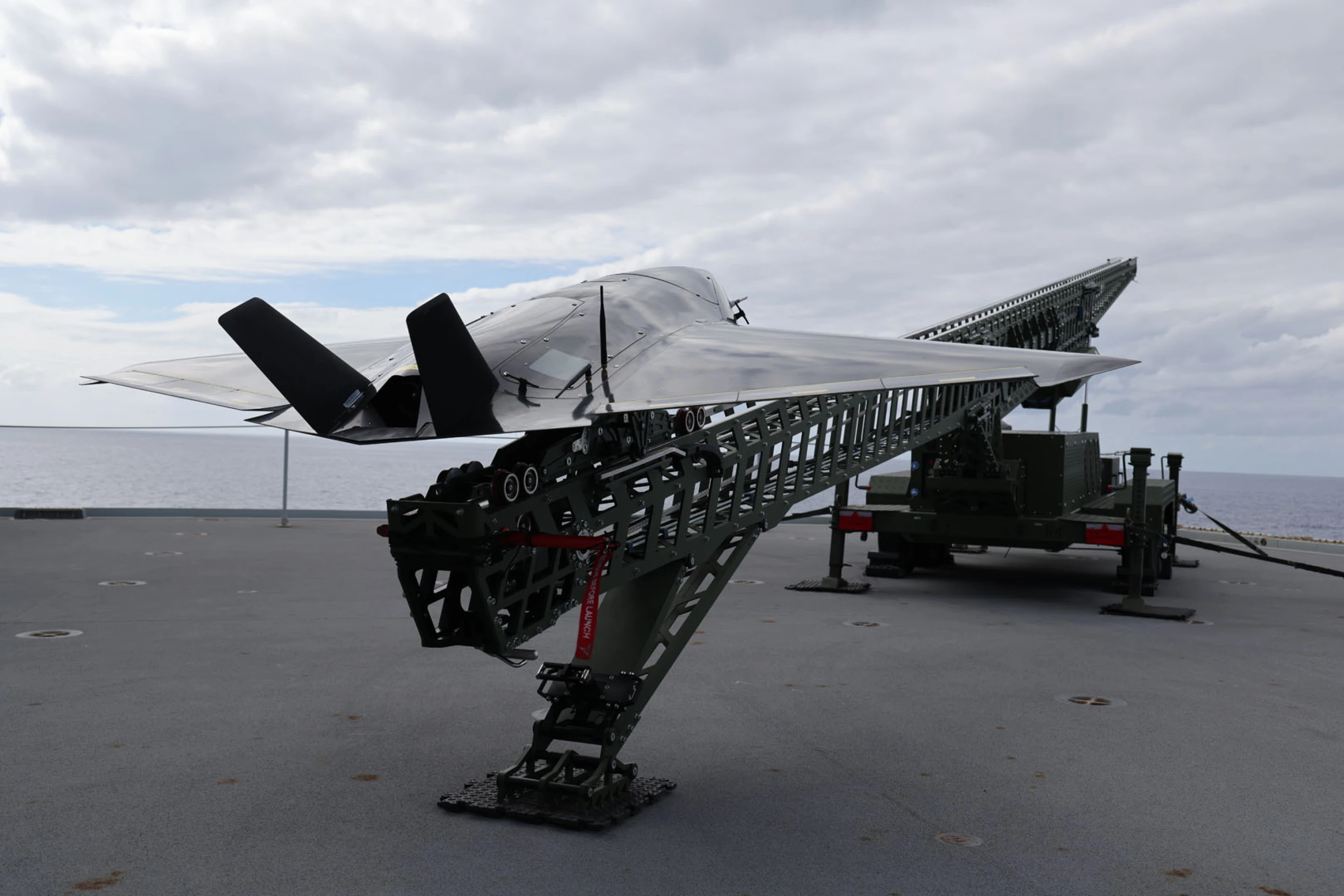
The "Nyan" attack drone used in this test was developed by Callen-Lenz, a subsidiary of BAE Systems. The drone is launched from the aircraft carrier's flight deck via a specially designed pneumatic catapult. The ejection system is installed directly on the deck surface and does not require permanent modifications to the hull. In theory, it can be installed on any ship with sufficient deck space.
Because "Nyan" is a loitering missile type UAV, it is designed and positioned as a one-time attack platform, so it does not need to return to the ship for recovery. This feature enables it to reduce reliance on complex recovery systems during shipboard deployment and lower the threshold for use.
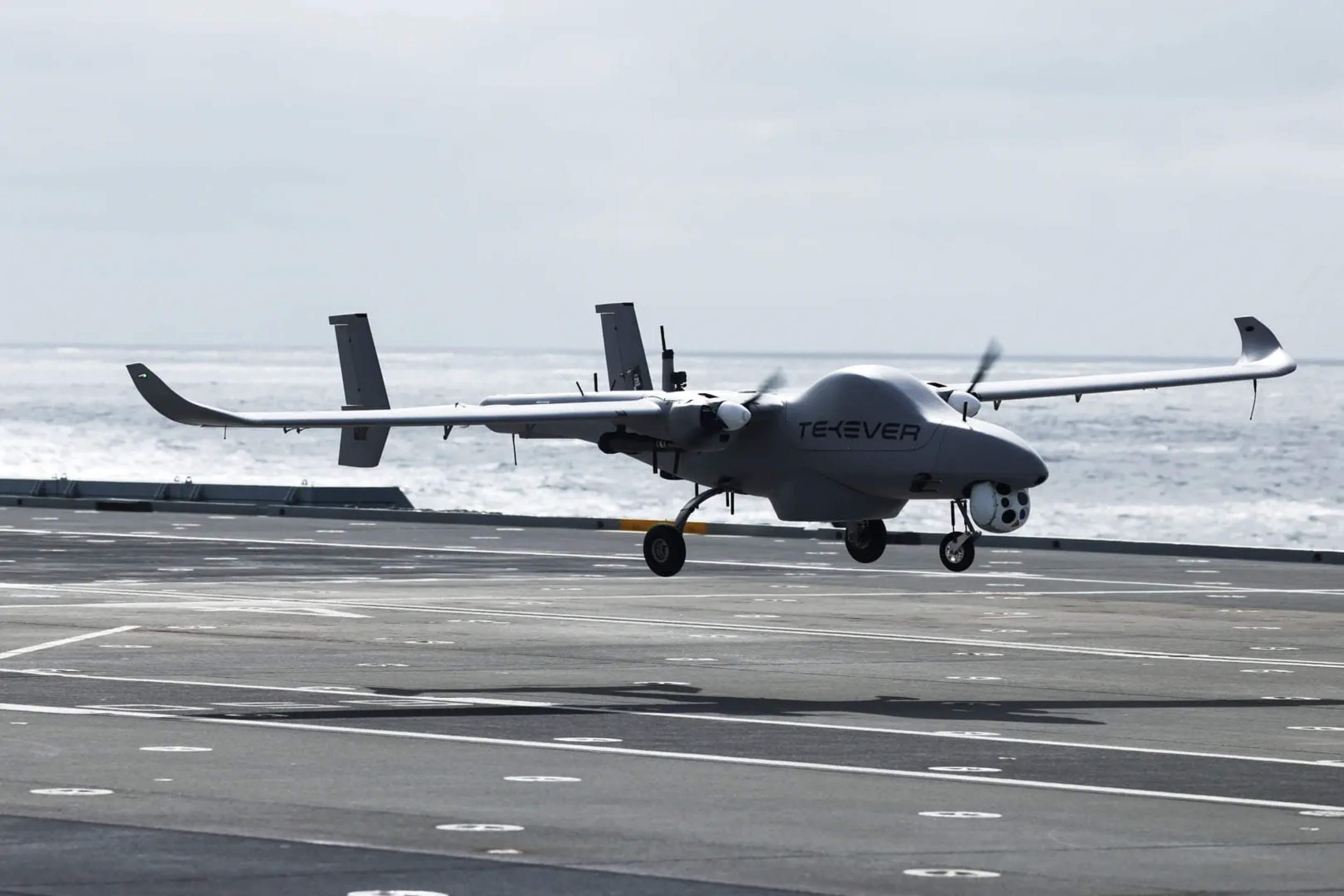
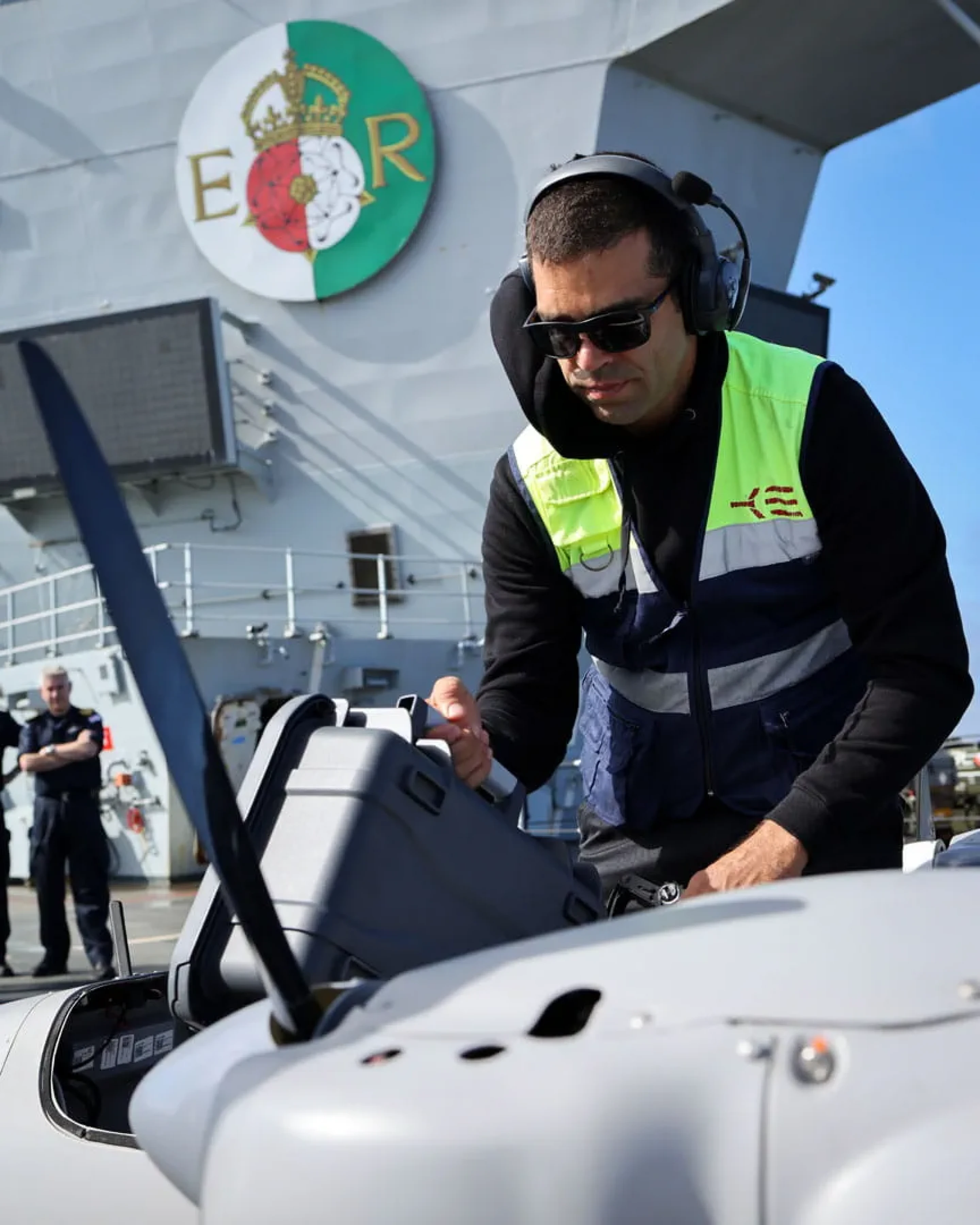
The British Royal Navy stated that in this operation, the "Nyan" attack drone cooperated with the AR5 medium-altitude long-endurance drone developed by TEKEVER. AR5 is responsible for performing tasks such as surveillance and reconnaissance, target search, logistics support, and target designation, thereby helping all attack drones accurately reach and strike intended targets.
The British side hopes that through the joint deployment of aircraft carriers and drones, NATO's patrol and deterrence capabilities in the "GIUK Gap" strategic waters between Greenland, Iceland and the United Kingdom can be further strengthened in the future. The region has long been regarded as a key node in the North Atlantic defense system.
Lieutenant Commander David Burton, head of testing at the Royal Navy's Capability Development Department, said that this test provided valuable evidence and confidence for the Navy to confirm how unmanned systems work together with manned aircraft. The experience gained from the trial will help the UK build a more flexible hybrid naval force, providing commanders with more combat options, while ensuring that the UK aircraft carrier continues to remain at the forefront of naval combat technology development.
Comments