
Abstract:
On November 27, reporters learned from Aviation Industry Shaanxi Aircraft Industry Co., Ltd. (hereinafter referred to as "Aviation Industry Shaanxi Aircraft Industry") that the world's first 20-ton heavy-load unmanned transport aircraft - Ibis Shadow 60 has achieved engineering landing at Aviation Industry Shaanxi Aircraft Industry Co., Ltd. (entered the verification aircraft development stage), marking an important breakthrough in the field of heavy-load unmanned transport aircraft in my country.
The development of heavy-duty unmanned transport aircraft has always been regarded as a major problem in the global aviation field. Because heavy-duty unmanned aerial vehicles have extremely high requirements for fully intelligent control, aerodynamic design and integrated flight, the world has not made a substantial breakthrough in this field for many years.
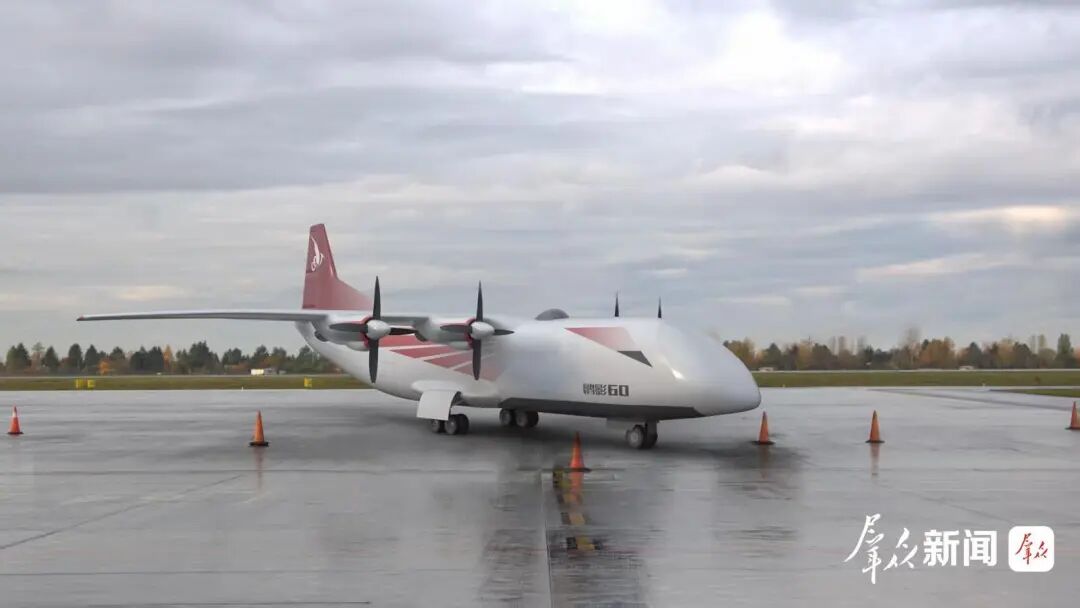
In recent years, as my country has continued to make breakthroughs in the field of light UAVs, the development of heavy-duty unmanned transport aircraft has also been rapidly following up. Against this background, the development of the Aviation Industry Shaanxi Ibis Shadow 60 is steadily advancing. This UAV has a maximum take-off weight of approximately 61 tons, a maximum payload of 20 tons, a maximum range of up to 4,500 kilometers, and a cruising speed of between 500-550 kilometers per hour, reaching the international advanced level. At the same time, its nose-up flip-up hatch structure can fully meet the transportation needs of slender and special-shaped cargo such as ultra-long blades of wind turbines and large precision machine tools.
"The development of low-altitude economy has been included in the national government work report. The country has established the development idea of 'materials first, people later', and cultivates low-altitude logistics as a strategic emerging industry." According to the R&D personnel of the Shaanxi Ibis Shadow 60 in the aviation industry, the Ibis Shadow 60 is a large cargo unmanned transport aircraft developed following this idea. It does not require a pilot to drive, and when the cargo compartment is fully loaded, it can complete the frontier material transportation task that a truck can complete in just two days and two nights in just a few hours.
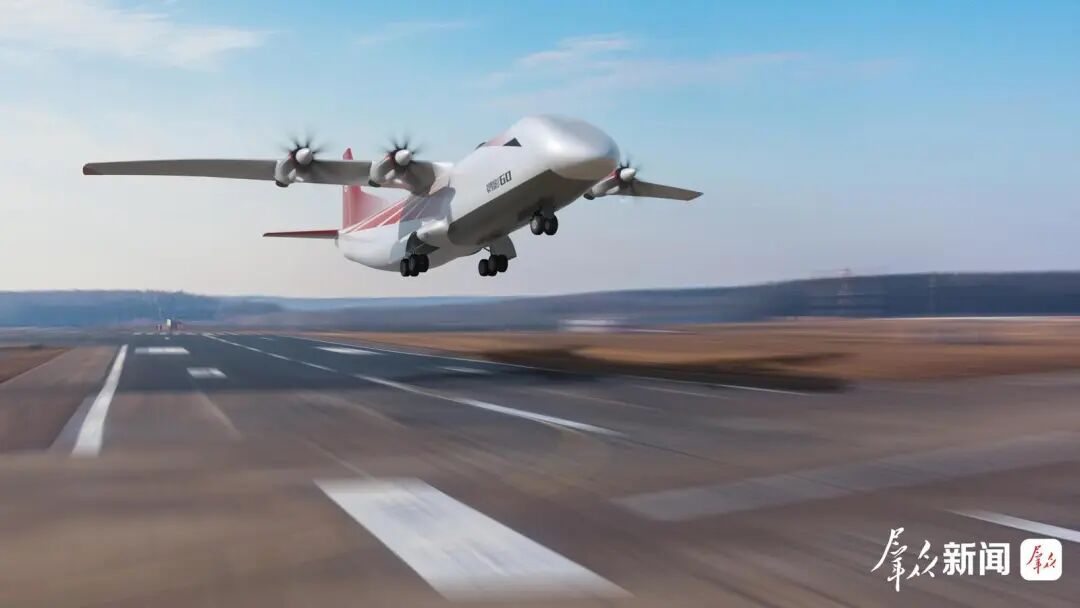
The difficulty in building a large unmanned cargo transport aircraft is to make a "big guy" without a pilot fly up, land down and deliver goods safely, efficiently and reliably. The relevant R&D technical requirements are almost demanding, and the rules for airworthiness certification are starting from scratch. There is no mature template in the industry. As an enterprise that has been working hard in the transport aircraft industry for more than 50 years, Shaanxi Aviation Industry Corporation decided to explore
20 tons
The road to the development of large-scale cargo unmanned transport aircraft.
After the project is launched, how will the development team take off and land the heavy-duty unmanned transport aircraft? How to make the flight control and management system act as the "pilot"? How to correct the course yourself in an emergency? How does the ground station cooperate? Sorting out the problems one by one and accumulating bit by bit, the design of the Ibis Shadow 60 gradually took shape.
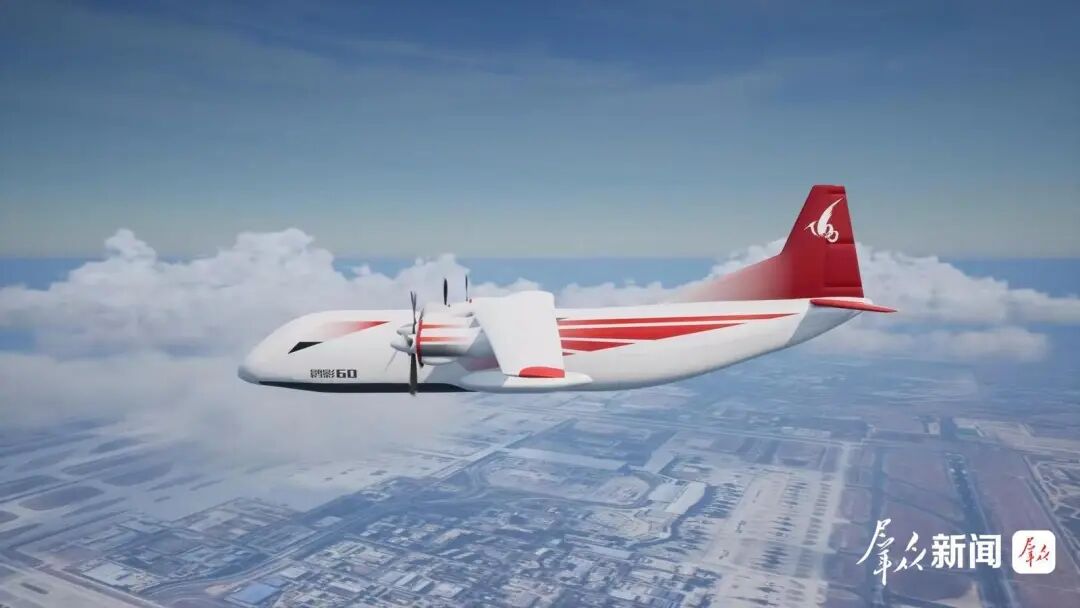
"We must also keep up with the pace of artificial intelligence, so that aircraft can generate intelligent guidance instructions to respond to emergencies while following established flight routes." Lin Jianwu, secretary-general of the Xi'an UAV Industry Innovation and Development Alliance, said that we must firmly control intelligent control technologies such as intelligent flight and intelligent obstacle avoidance of unmanned transport aircraft in our own hands, and promote the application of new technologies such as unmanned control of four turboprop engines, thereby pushing the technological innovation of the Ibis Shadow 60 to a new level. (Reporter Shen Qian)
Comments