
Abstract:
Informed sources revealed that the Pan American Health Organization has revoked the measles elimination certification of the United States. The revocation of the certification is a major reversal for decades in which the U.S. has kept the vaccine-preventable disease under control. The United States was certified measles-free in 2000 thanks to a mass immunization campaign and a program that provides free vaccines to millions of children.
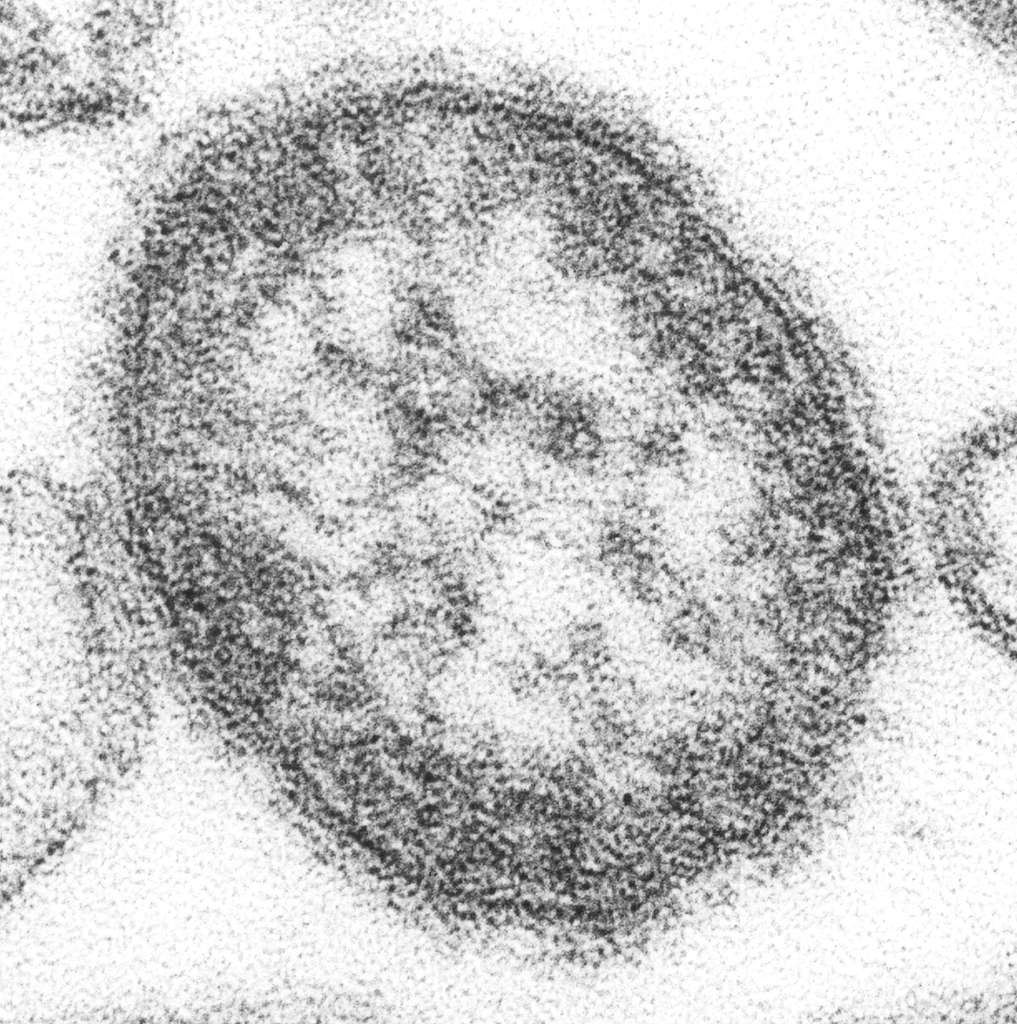
The measles epidemic has broken out in the past two years, reaching its highest level in decades. Many public health experts and epidemiologists had predicted that the United States would lose its certification. Pennsylvania, New York, Wisconsin and other places reported that there were 5 measles deaths in November, belonging to different independent epidemics.
To regain elimination certification, the United States must stop the continued spread of this highly contagious disease for at least 12 months, which requires several years of public health work and strong political will.
The Pan American Health Organization did not respond to a request for comment.
Noel Brewer, chairman of the independent U.S. commission that submitted an investigation report on the measles epidemic in the United States to the Pan American Health Organization, said: "The root cause of the out-of-control measles epidemic in the United States and avoidable deaths is insufficient measles vaccination rates. We have become numb and allowed children to be attacked and lose their lives by this deadly disease."
Measles elimination criteria: continuous transmission of the virus within a country has been interrupted for at least 12 months. The Pan American Health Organization will make judgments based on the recent epidemic review and the report of the US Centers for Disease Control and Prevention to verify whether the epidemics in various places are related and whether there is a single epidemic that lasts for more than one year.
Measles has been largely under control in the United States over the past 30 years, with only a few dozen cases typically recorded each year. However, in the past two years, large-scale epidemics have occurred in Utah, Texas, South Carolina, and Pennsylvania. In 2026 alone, the U.S. Centers for Disease Control and Prevention reported more than 5,400 cases, a level not seen before measles was eliminated.
The surge in cases coincided with Robert F. Kennedy Jr.’s tenure as health secretary. After entering this administration, Kennedy tried to reduce the types of vaccines on the childhood vaccine list, promoted the long-disproven claim that "vaccines cause autism", and also cut some federal vaccine research funding.
Now, the Trump administration needs to take the lead in re-eliminating measles. The Pan American Health Organization, which does not have mandatory jurisdiction, recommends that countries that have lost elimination certification submit corrective plans to strengthen measles vaccination and epidemic surveillance.
Under Kennedy's leadership, the U.S. Centers for Disease Control and Prevention abandoned long-standing immunization recommendations. The Trump administration has advocated for reducing childhood vaccinations and proposed splitting the measles, mumps, and rubella vaccine (MMR) into separate vaccines. Public health experts said the change would cause confusion. Two doses of the MMR vaccine are 97% effective in preventing measles.
In recent years, the vaccination rate in the United States has continued to decline, and many areas in the country have formed gathering places for susceptible people. To stop the spread of measles, the population vaccination rate must reach at least 95% to protect infants and people who are unable to be vaccinated for medical reasons.
Data from the U.S. Centers for Disease Control and Prevention show that in the school year that ended in June, the MMR vaccination rate for kindergarten children dropped to 92.4%, compared with 95.2% six years ago. In communities with recent severe measles outbreaks, vaccination rates are much lower.
Dr. Walter Orenstein, who once served as director of the National Immunization Program of the US Centers for Disease Control and Prevention and led the effort to achieve measles elimination in the United States in 2000, said that in the current political environment, it is very difficult to regain measles elimination certification.
Orenstein said: "Having been working in the field of immunization for so long, I have never seen vaccine-related controversies become so intense."
The United States is not alone in its difficulties in fighting this highly contagious disease. Canada will lose measles elimination certification in 2025, and some European countries and the United Kingdom also lost this certification earlier this year.
Some countries have successfully restored measles elimination certification, but it has taken a long time. Brazil lost certification in 2019 and regained it in 2024 after a national push to increase vaccination rates.
Comments