
Abstract:
According to AMD whistleblower Kepler_L2, AMD's chipset designed for PS6 and Xbox Helix game consoles has completed tape-out, which means that the release time may be at the end of 2027, not 2028 as some previous rumors said. Both Kepler and MLID dispute this statement, arguing that the chip manufacturing contract has already taken effect. Chip production is allegedly scheduled to start in the second quarter of 2027, and the cost of delaying production will even exceed the losses caused by rising memory prices. Completion of tapeout is consistent with this timeline.
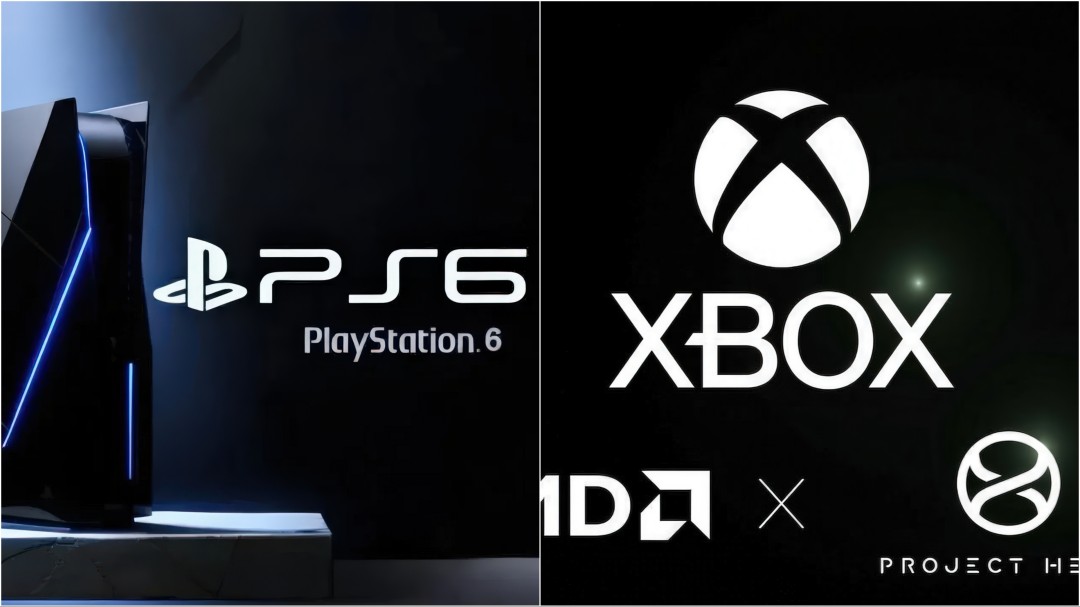
Kepler_L2 also confirmed the final TFLOPS data of each console: 40 for PS6 and 56 for Xbox Helix. At least based on paper data, the Xbox console has a TFLOPS advantage of up to 40%, and the lead is quite large. However, in practice, this advantage is unlikely to be enough to double the frame rate or other similar improvements.
These numbers are very consistent with previously leaked information: assuming the PS6 has the rumored 52 active compute units, and taking into account RDNA's dual-emitter FP32 throughput, 40 TFLOPS corresponds to a GPU clock frequency of about 3.0 GHz, which is right at the upper end of the previously reported 2.6 to 3.0 GHz range (and previous reports did imply TFLOPS between 34 and 40).
Kepler_L2 previously said that Helix has about 42% more silicon and about 20% more memory than its PlayStation competitors.
Price Dilemma
It is an indisputable fact that the memory crisis will have a heavy blow to the cost of next-generation game consoles. Kepler_L2 estimated the PS6's bill of materials cost at around $760 in March, meaning a $699 retail price is still possible. However, about three months later, he reported that the figure had surged to about $960, an increase of 26%. Sony CEO also publicly admitted that memory prices are expected to remain high until fiscal 2027.
The price of Helix is expected to be even higher.
Kepler predicts that Helix will sell for more than $1,000, and MLID's component breakdown estimates show that its bill of materials cost will be about $900 in mass production, which means that $999 is a more conservative minimum pricing, and $1,200 is the most likely price. Part of the problem lies in its structure: Because Helix supports an open third-party app store, Microsoft may have trouble subsidizing the cost of the hardware the way it would with a traditional game console, because it can't count on the software revenue it typically uses to make up for those losses. In short, going by current trends, it's not out of the question for next-gen consoles to be priced in the four figures.
Judging from the paper parameters, Helix's performance is stronger. However, this advantage may be meaningless if the new Xbox ends up selling for much more than the already expensive PS6.
Comments