
Abstract:
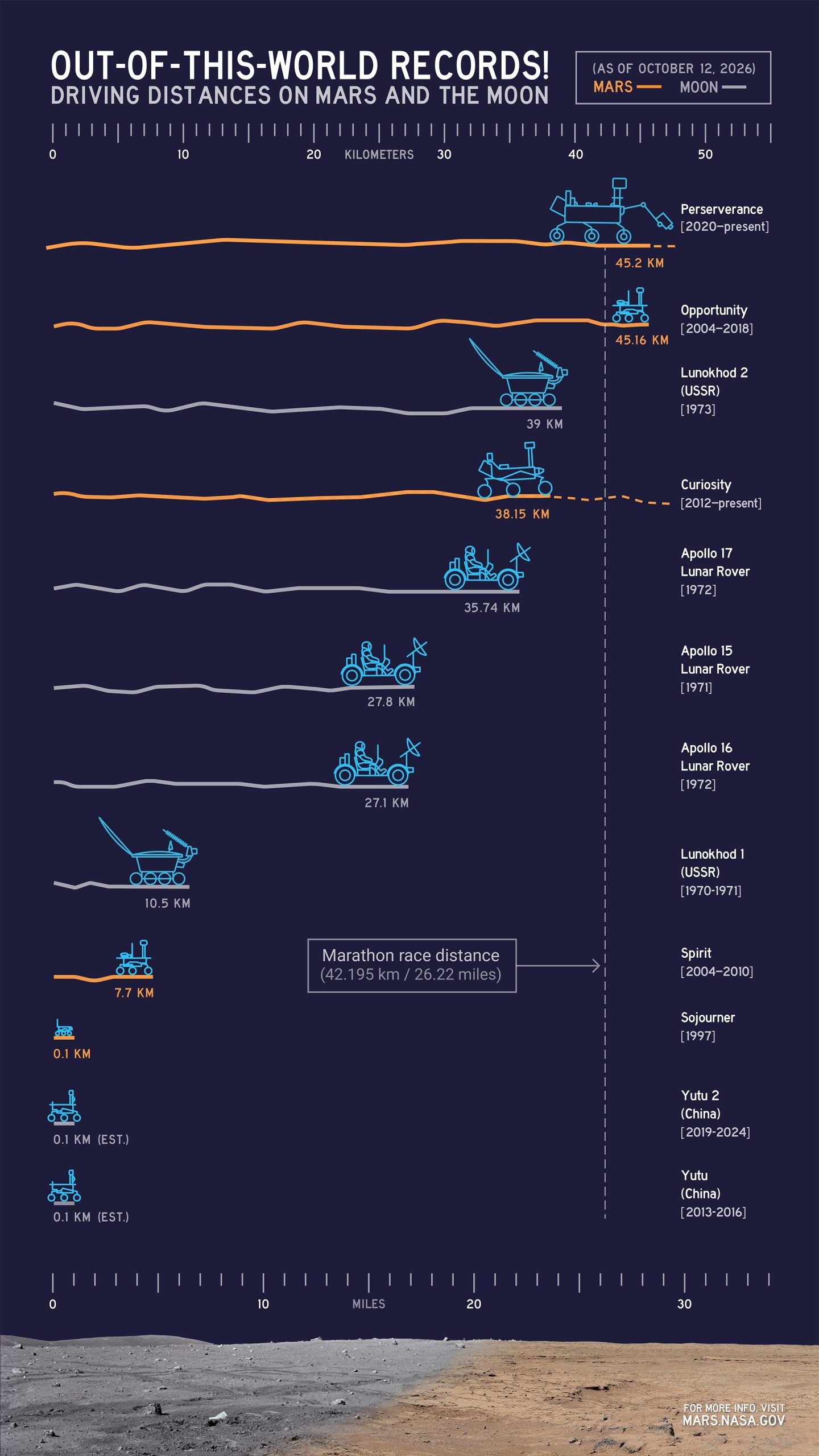
The National Aeronautics and Space Administration (NASA) announced that the "Perseverance" Mars rover has become the longest vehicle in human history to travel on the surface of a celestial body other than the Earth. In October 2026, the cumulative distance traveled by "Perseverance" reached 45.22 kilometers, surpassing the previous record of 45.16 kilometers held by the "Opportunity" Mars rover.
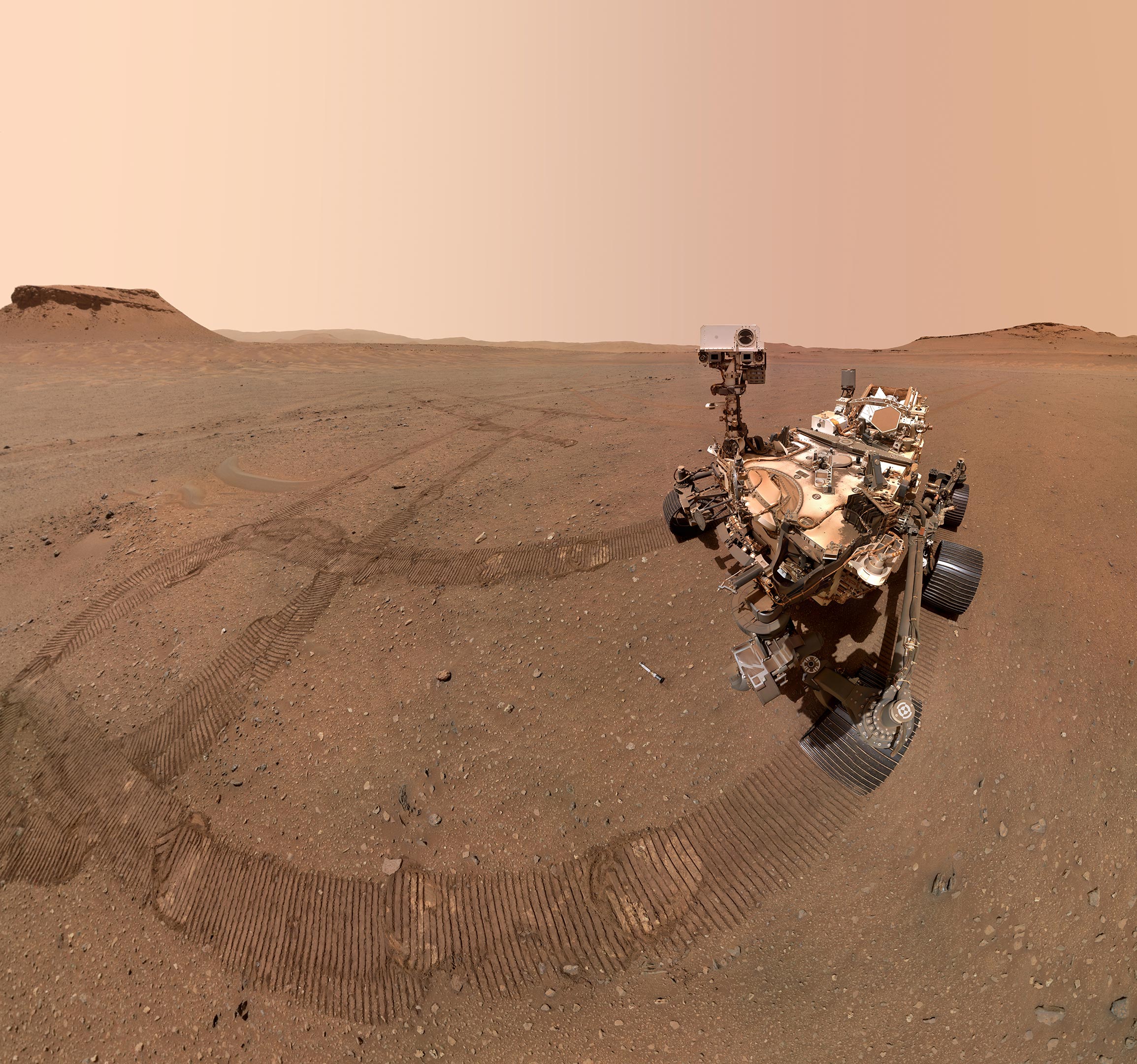
When the record was set this time, "Perseverance" was heading towards an area called "Idubi" on the west side of Jezero Crater. Researchers believe that extremely ancient Martian geological relics are preserved locally, which may record information about ancient hydrothermal activities and the early environment of Mars.
NASA stated that "Perseverance" can quickly accumulate mileage, largely due to its advanced autonomous navigation system. The vehicle can analyze the surrounding terrain, identify obstacles and plan routes while moving. Most of the driving process does not require step-by-step control by people on the ground. Compared with early Mars rovers, its autonomous driving capabilities and computing performance have been significantly improved.
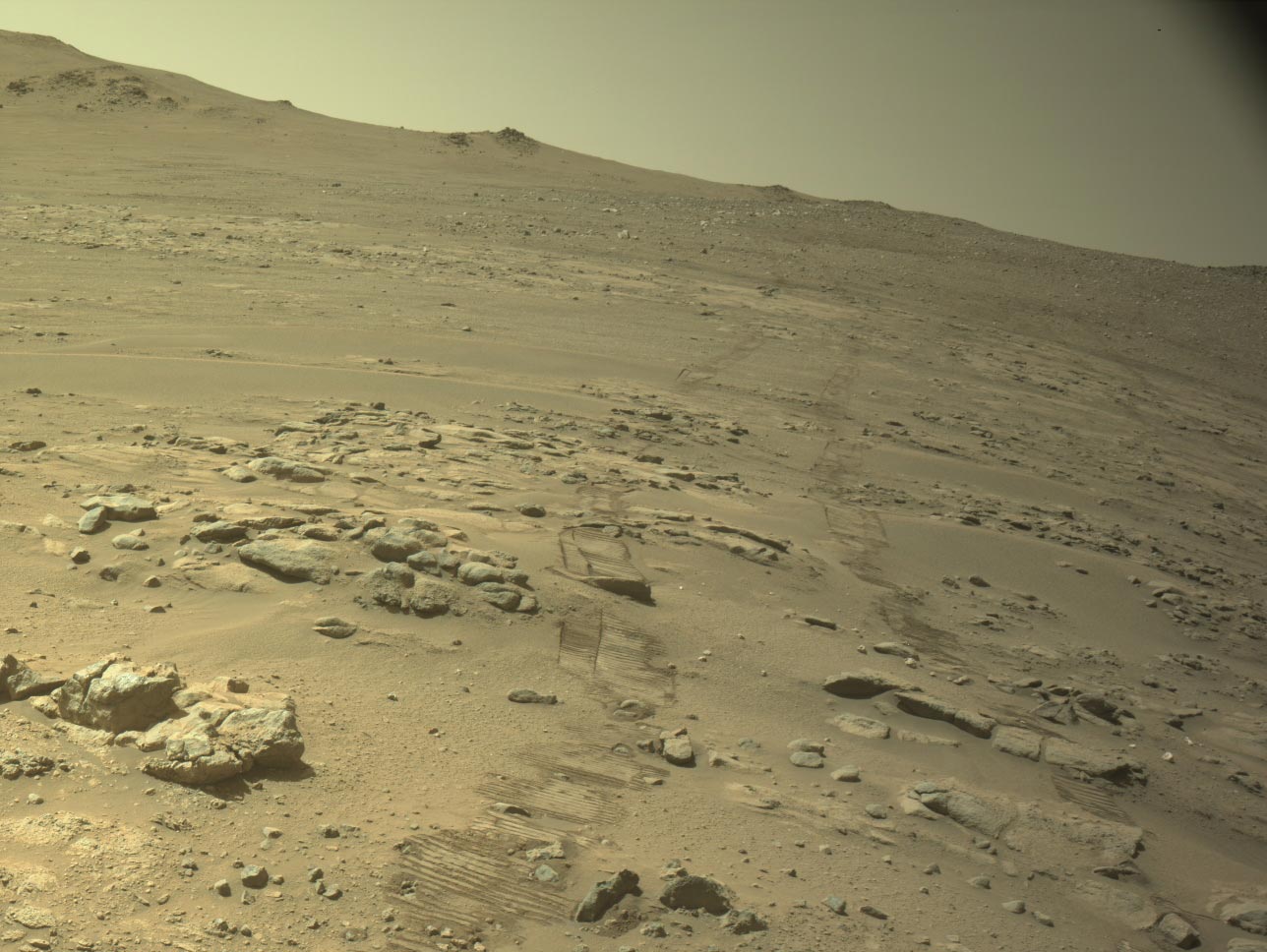
Although a new driving record was set, NASA emphasized that the record itself is not the mission goal. Greater maneuverability means the rover can reach more locations and study more types of rocks, helping scientists gain a more comprehensive understanding of the geological history and evolution of Mars.
Since Sojourner in 1997, NASA has sent multiple generations of exploration rovers to Mars, including Spirit, Opportunity, Curiosity and Perseverance. These missions continue to promote the development of mobile detection technology on the Mars surface.
Perseverance has so far collected 29 rock and surface material samples inside and outside the Jezero Crater, and has investigated multiple areas such as ancient lake beds, ancient river deltas, and the edge of the crater. Scientists hope to use these samples and observational data to find evidence of whether there was a suitable life environment on Mars in ancient times.
NASA has approved "Perseverance" to enter the extended mission phase. It is expected that it will continue to carry out scientific investigations along the edge of Jezero Crater in the next few years, explore more ancient rocks formed about 4 billion years ago, and further reveal the mysteries of the early history of Mars.
Comments