
Abstract:
NASA’s Voyager 1 probe is about to usher in another historic milestone. The deep space probe, which has been flying for nearly half a century, is expected to reach a position of one light day from the Earth in the next few weeks, becoming the first spacecraft in human history to be a full day's light distance away from the Earth.
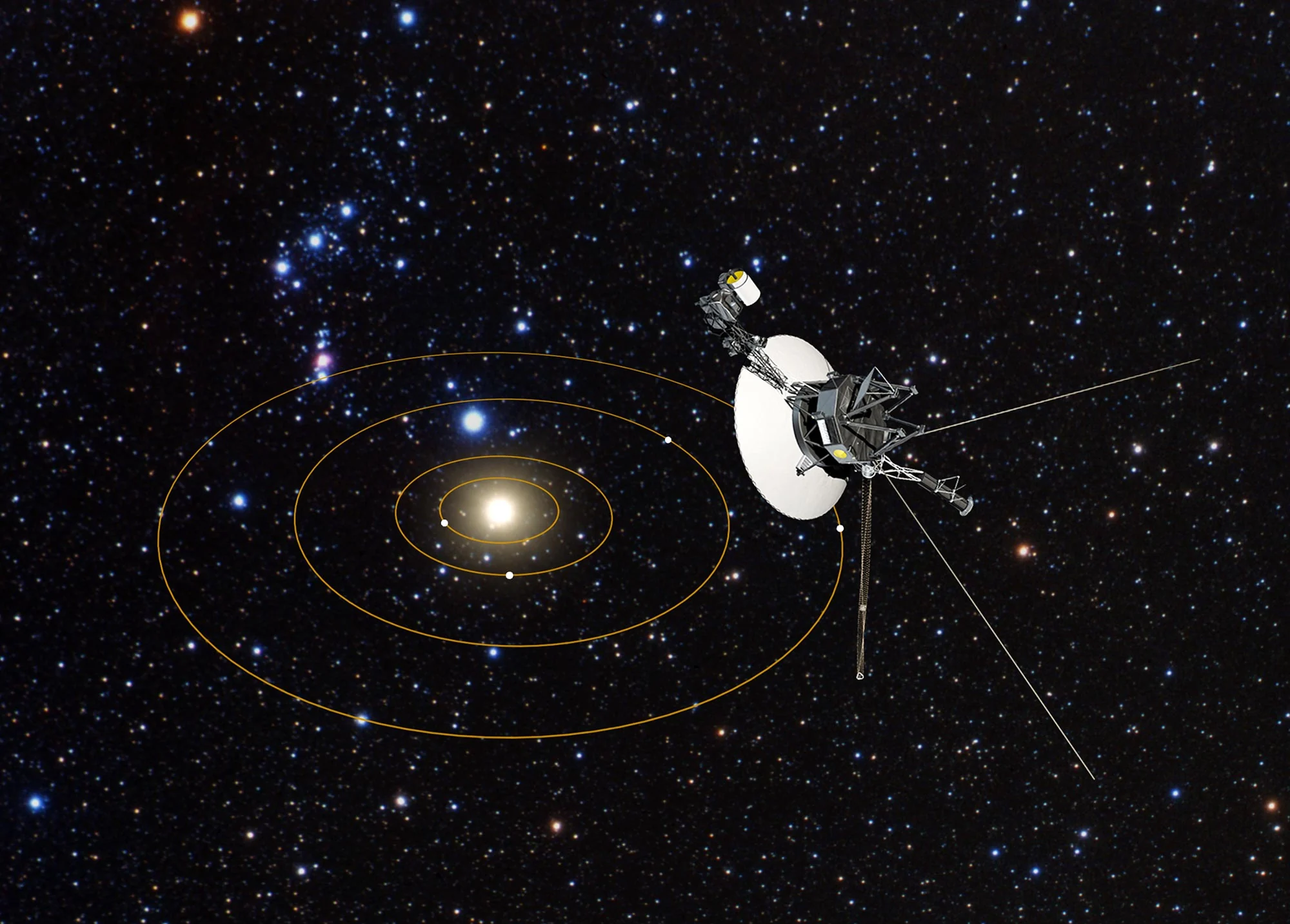
The so-called "one light day" refers to the distance that light travels continuously for 24 hours in a vacuum, which is approximately 25.9 billion kilometers. For observers on Earth, this means that a radio signal sent from Earth to Voyager 1 would take nearly 24 hours to reach the probe, and that the probe's reply would take nearly another 24 hours to return to Earth. By then, a complete communication round trip will take close to two days.
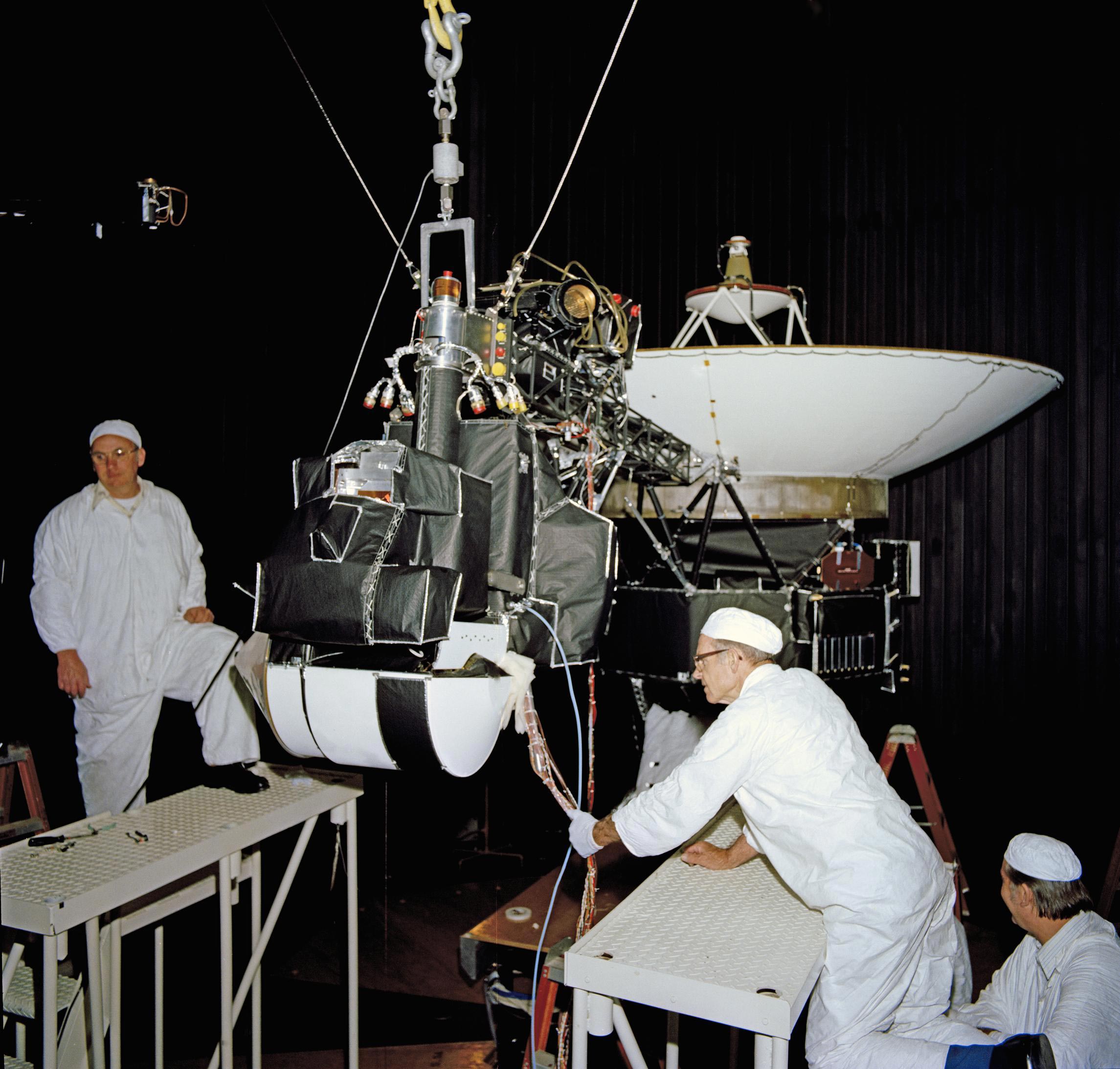
Voyager 1 was launched on September 5, 1977. Its original mission was to conduct close-range detection of outer planets such as Jupiter and Saturn. After successfully completing its initial goal, it used the slingshot effect of planetary gravity to gain additional speed and embarked on a long journey of interstellar space exploration.
In 2012, Voyager 1 officially passed through the heliopause and entered interstellar space, becoming the first human-made probe to enter the interstellar medium. For more than ten years since then, it has continued to send back to Earth precious scientific data about the edge environment of the solar system and interstellar space conditions.
Currently, Voyager 1 is moving away from the sun at a speed of about 17 kilometers per second, constantly setting new records for the farthest flight of a human spacecraft. Despite the astonishing speed, the scale of the universe is still unimaginably huge. Even at a distance of one light-day, it is still extremely far away from Alpha Centauri, the nearest star system to Earth. At current speeds, it would take tens of thousands of years to get there.
As distances continue to increase, it becomes increasingly difficult to keep detectors operating. The power of the radioisotope thermoelectric generator carried by Voyager 1 continues to decrease, and NASA engineering teams have had to shut down some scientific instruments and non-critical systems in recent years to extend the life of the detector as much as possible.
In the past few years, Voyager 1 has encountered multiple technical challenges, including communication anomalies and data transmission problems. NASA engineers successfully restored some functions of the detector through remote diagnosis and software adjustments, allowing it to continue to maintain its scientific observation capabilities. Since signal transmission delays can reach tens of hours, every troubleshooting requires great patience and precise planning.
Scientists say that the continued operation of Voyager 1 is an engineering miracle in itself. This probe, which was born in the 1970s, has already exceeded its original design life by dozens of times, but it is still able to perform missions in interstellar space and send data to the earth.
In addition to scientific equipment, Voyager 1 also carried the famous "golden record." This gold-plated copper record records sounds, music, images and greetings in multiple languages from the earth. It is regarded as a time capsule showing human civilization to the universe. If it is discovered by an alien civilization in a distant era in the future, it will become an important testimony of human existence.
NASA expects that Voyager 1’s scientific instruments will be shut down over the next few years as energy continues to decline. However, even if all observation equipment stops working, the probe will continue to fly in the Milky Way for tens of thousands of years or even longer by virtue of its own inertia.
The upcoming one-light-day distance is not only a numerical breakthrough, but also symbolizes the unprecedented height of human exploration capabilities. Since leaving Earth in 1977, Voyager 1 has flown across planetary worlds, crossed the boundaries of the solar system, and penetrated into the vast interstellar space. Now, it is making new history, becoming the first human messenger to be "one light day" away from its hometown.
Comments