
Abstract:
In modern personal computers, the graphics card is usually regarded as a huge computing engine composed of thousands of stream processors dedicated to high-parallel graphics rendering and artificial intelligence calculations. However, according to the latest in-depth analysis by the hardware development community and underlying technical personnel, there are actually dozens of RISC-V processor cores based on the open instruction set architecture hidden inside modern NVIDIA GPUs.
These low-power cores play an extremely critical role as a "micro central processing unit" inside the graphics card chip, and have even completely taken over the graphics card driver management and hardware scheduling work that originally required the main system CPU.
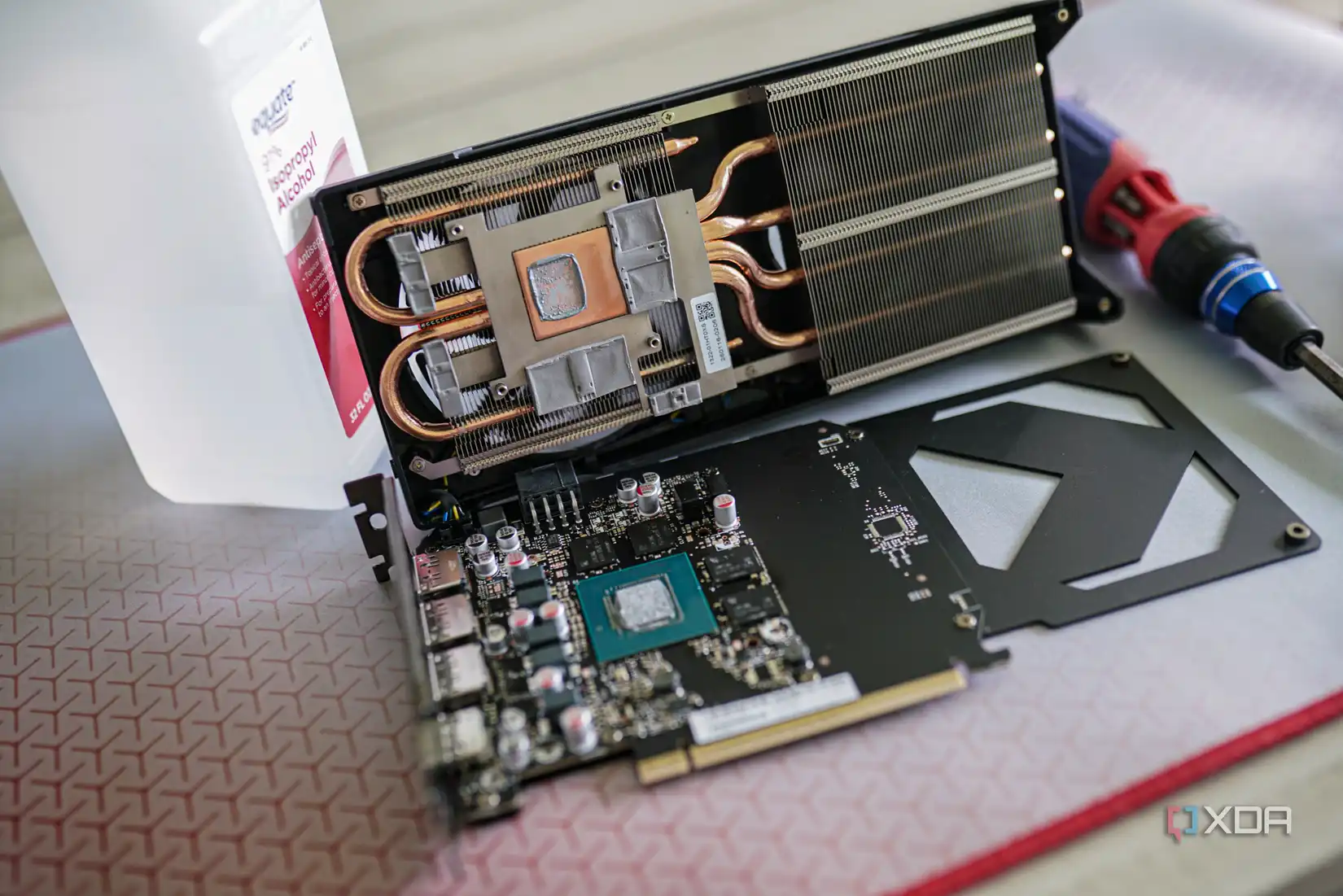
Since NVIDIA gradually introduced the open source RISC-V architecture from the Turing architecture and the Ampere architecture, these lightweight cores, called GSP (Graphics System Processor) and various underlying management units, have been secretly embedded throughout the chip. Inside a typical NVIDIA GeForce or RTX workstation graphics card, there are dozens of specialized RISC-V auxiliary cores, responsible for a series of heavy and delicate low-level system tasks ranging from memory controller management, power and temperature monitoring, secure cryptographic calculations to display output pipeline control.
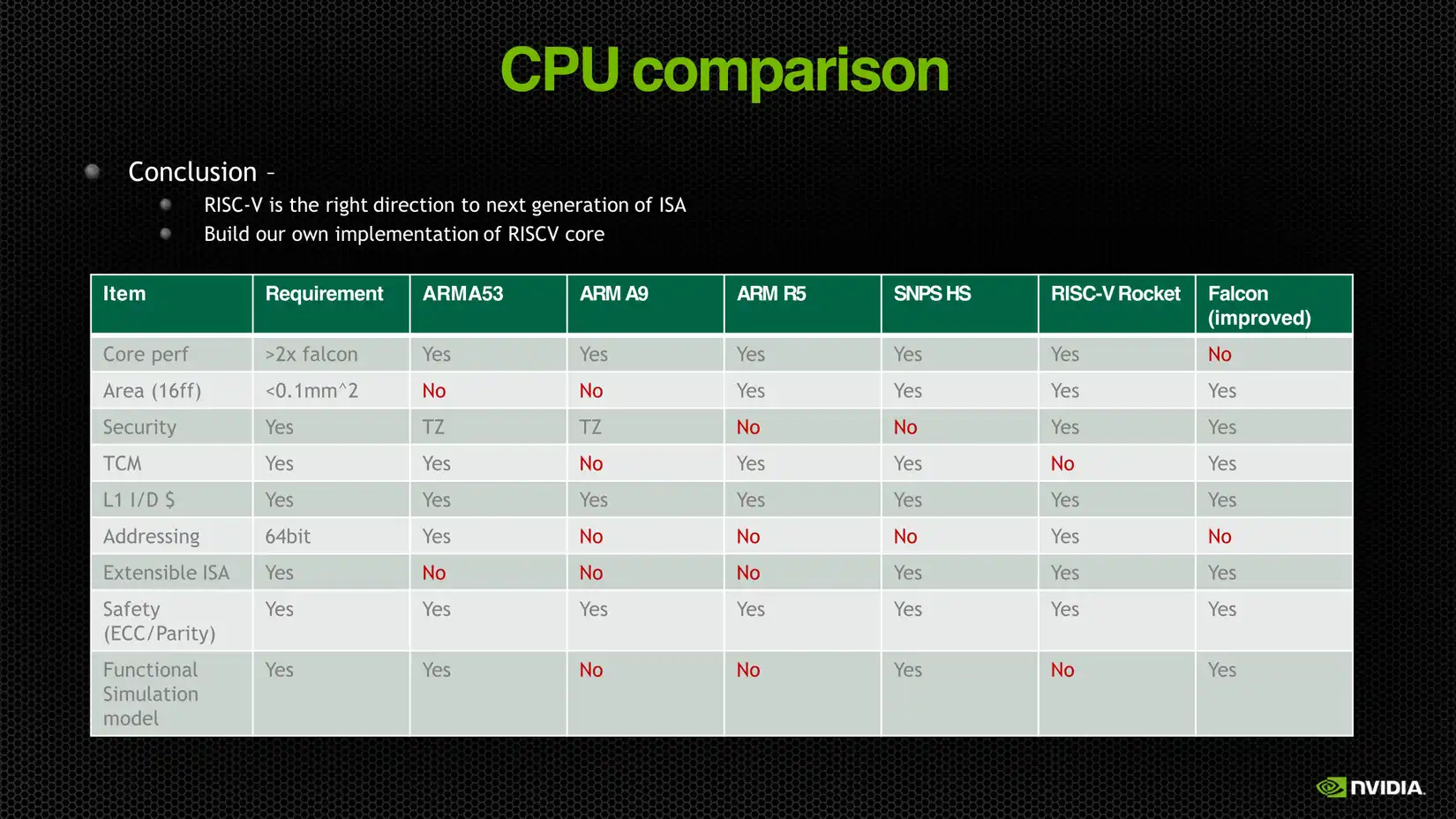
The most critical change is Nvidia’s reconstruction of the GSP firmware architecture. In early graphics card designs, most of the hardware scheduling and driver instruction translation work was completed by the system CPU on the motherboard. This not only occupied the computing resources of the main CPU, but also easily introduced unnecessary system delays. Nowadays, NVIDIA has migrated most of the driver execution logic to the specialized RISC-V controller (i.e. GSP) inside the graphics card chip, completing the real-time scheduling and management of instructions directly inside the graphics card, completely liberating the host's CPU load and significantly reducing the response latency of graphics rendering.
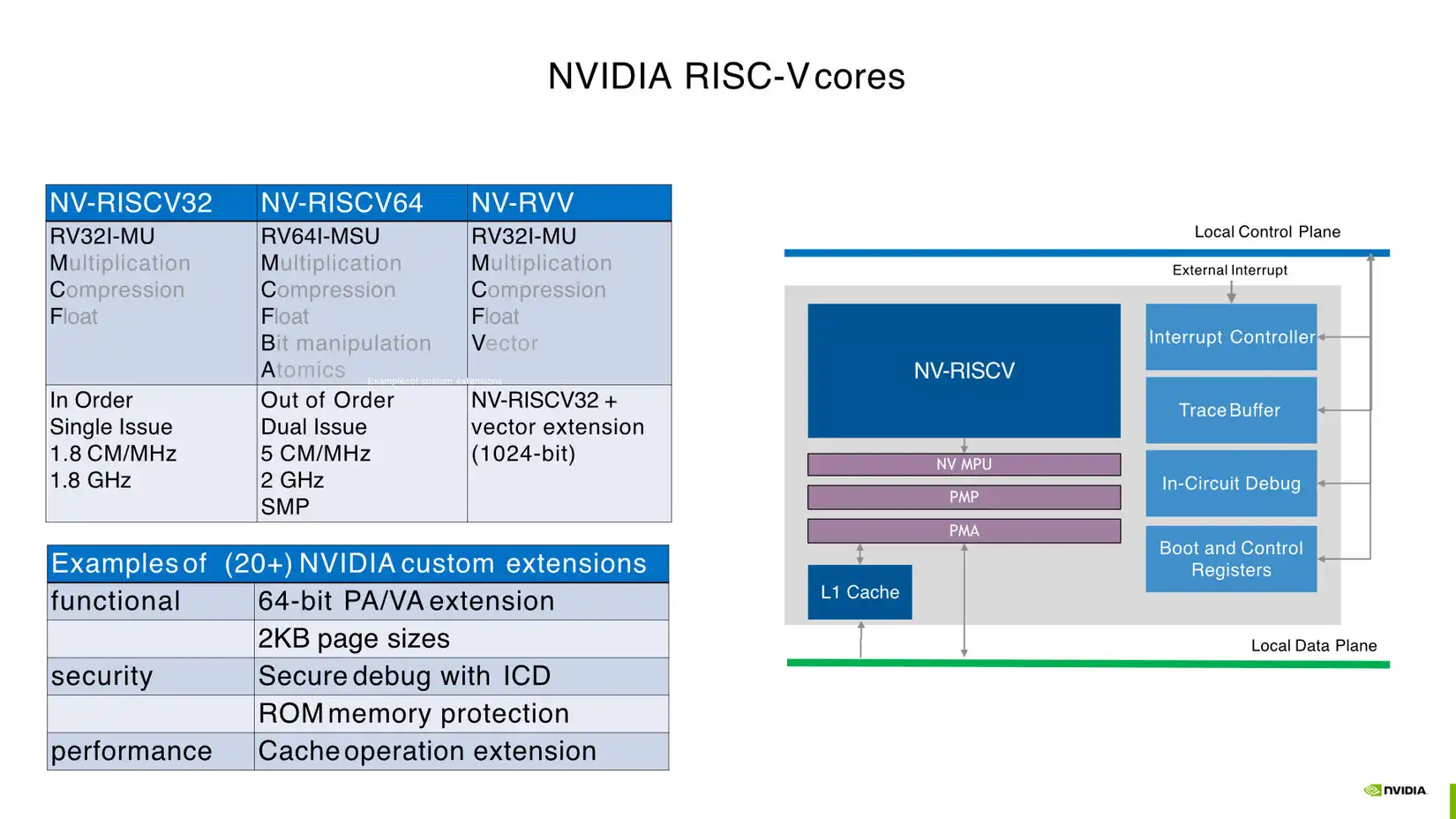
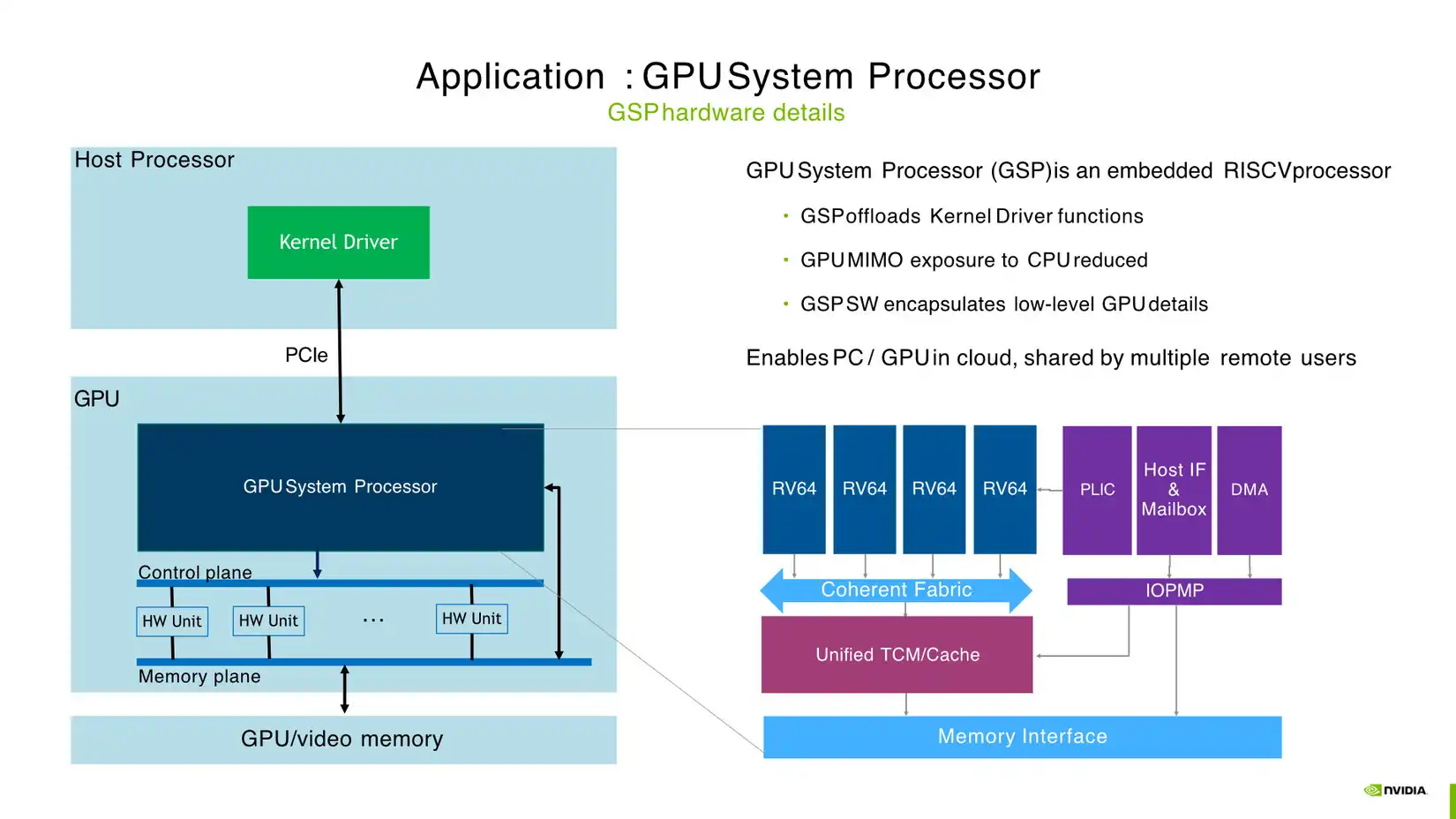
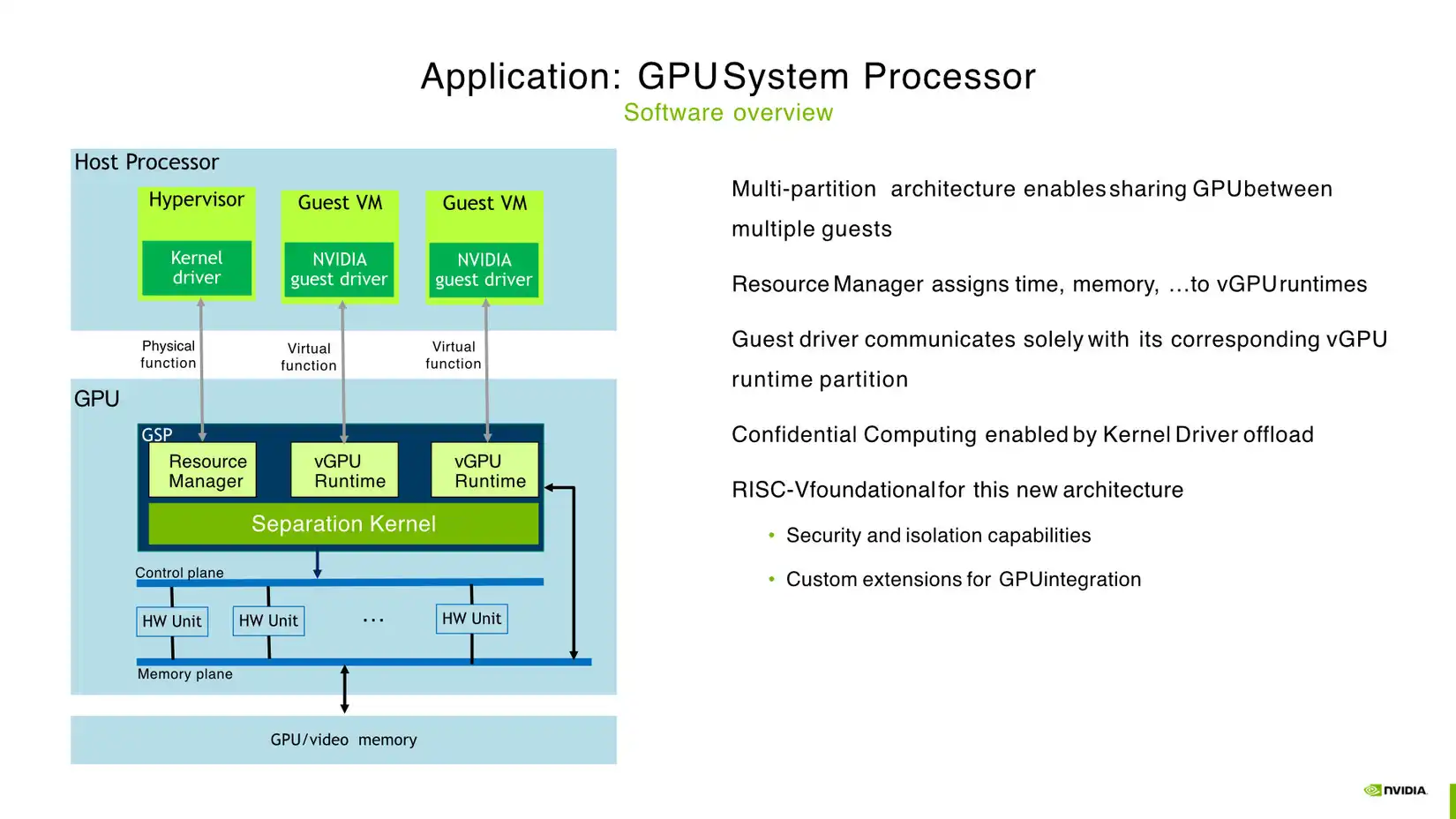
In addition to improving driver performance, the introduction of a large number of RISC-V cores also greatly enhances the security and hardware modularity of the graphics card. These lightweight cores run highly closed and encrypted system firmware, establishing an independent hardware root of trust (Root of Trust) for the graphics card, effectively blocking the security risk of using malicious drivers to intrude into the underlying channels of the graphics card. At the same time, through the standardized RISC-V architecture, the NVIDIA R&D team can quickly iteratively update the internal microcode and underlying functional modules without completely reconstructing the overall logic of the chip.
The evolution of the internal logic of NVIDIA GPUs fully demonstrates that modern graphics cards are no longer simply parallel computing co-processors, but complex system-on-chips (SoCs) that are highly integrated with multiple dedicated processing units. This core design of deep internal integration of the open source RISC-V architecture is not only a hidden barrier for NVIDIA to maintain its graphics card high performance and technology monopoly advantages, but also clearly demonstrates the huge value of the open source instruction set architecture as an invisible pillar in top commercial semiconductor products.
Comments