
Abstract:
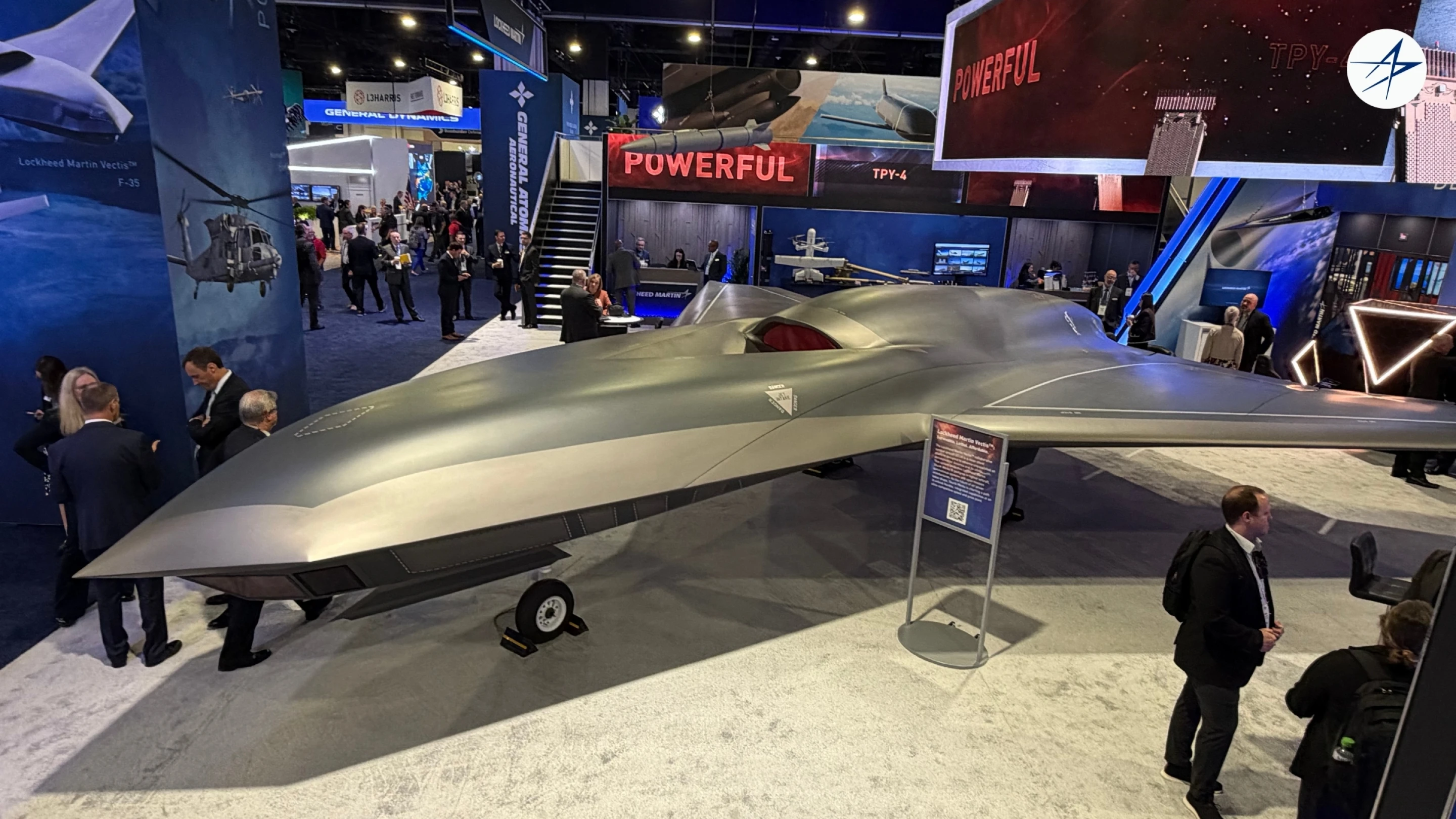
Lockheed Martin's "Skunk Works" recently further disclosed the previously mysterious Vectis Collaborative Combat Aircraft (CCA) project and showed a full-scale mock-up of the drone for the first time. At the same time, the company announced that it will expand the number of Vectis prototypes from the initial one to five to speed up flight testing and system development. The first prototype is expected to complete its first flight by the end of 2027.
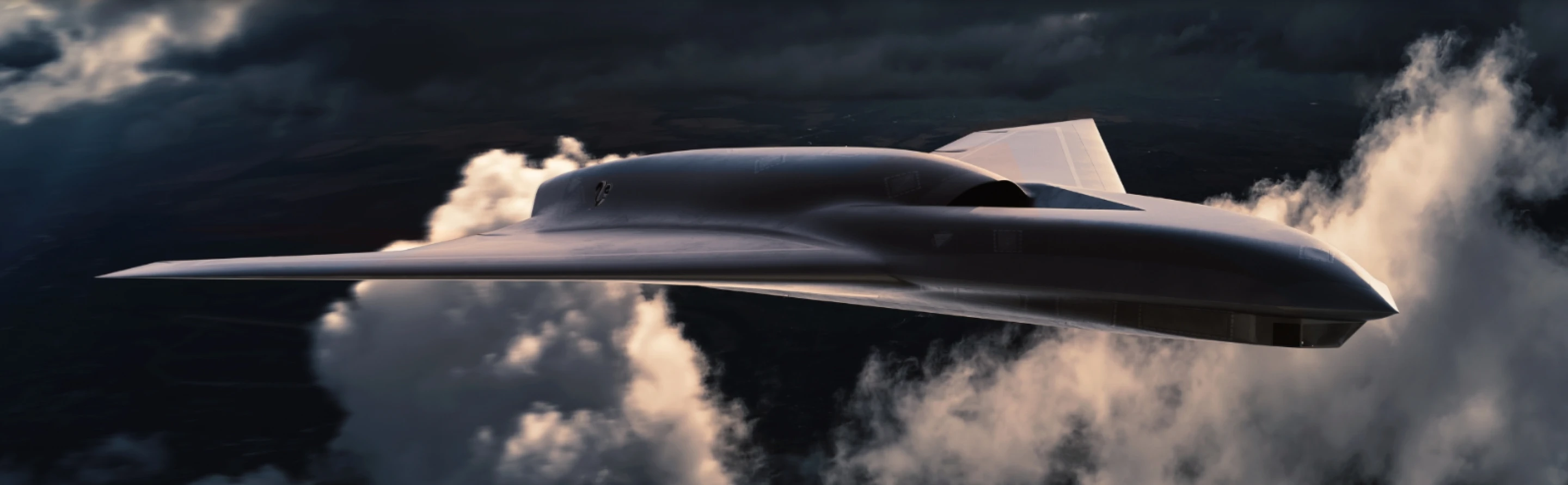
Vectis was first exposed in 2025, but Lockheed Martin has not released much specific information since then. Previously, the outside world could only understand this drone mainly through concept drawings, and even the actual size of the aircraft was not clear. As the project enters a more in-depth development stage, Lockheed Martin not only announced the full-scale model this time, but also decided to build four additional development prototypes, bringing the entire prototype fleet to five.
The four additional aircraft were built at Lockheed Martin's own expense and are mainly used to speed up flight testing, verify and improve Vectis' modular architecture, and test the ability to expand production scale in the future. The company hopes to speed up the verification of different systems and mission configurations by operating multiple prototypes simultaneously, rather than waiting for one aircraft to complete all tests before moving on to the next phase.
The emergence of Vectis is also directly related to the U.S. Air Force’s previous collaborative combat aircraft project. In 2024, the US Air Force's first phase CCA bid was ultimately won by General Atomics and Anduril, while Lockheed Martin failed to win the contract. Therefore, the current development direction of Vectis is likely to not only strive for future follow-up CCA procurement by the US Air Force, but also include the possible future ship-based unmanned combat aircraft projects proposed by the US Navy, as well as overseas markets.
Judging from the currently announced appearance, Vectis clearly places a very important emphasis on stealth capabilities and battlefield survivability. The aircraft adopts a modified fused wing body layout, forming a continuous edge line from the nose to the wing root, and controls the reflection of radar waves in different bands through a special body shape.
Unlike traditional fighter jets, the Vectis does not have a vertical tail. The aircraft uses split elevons and advanced flight control algorithms to achieve yaw control and flight stability. The elimination of the vertical tail can reduce the obvious radar reflection structure and also make the entire body more suitable for stealth design.
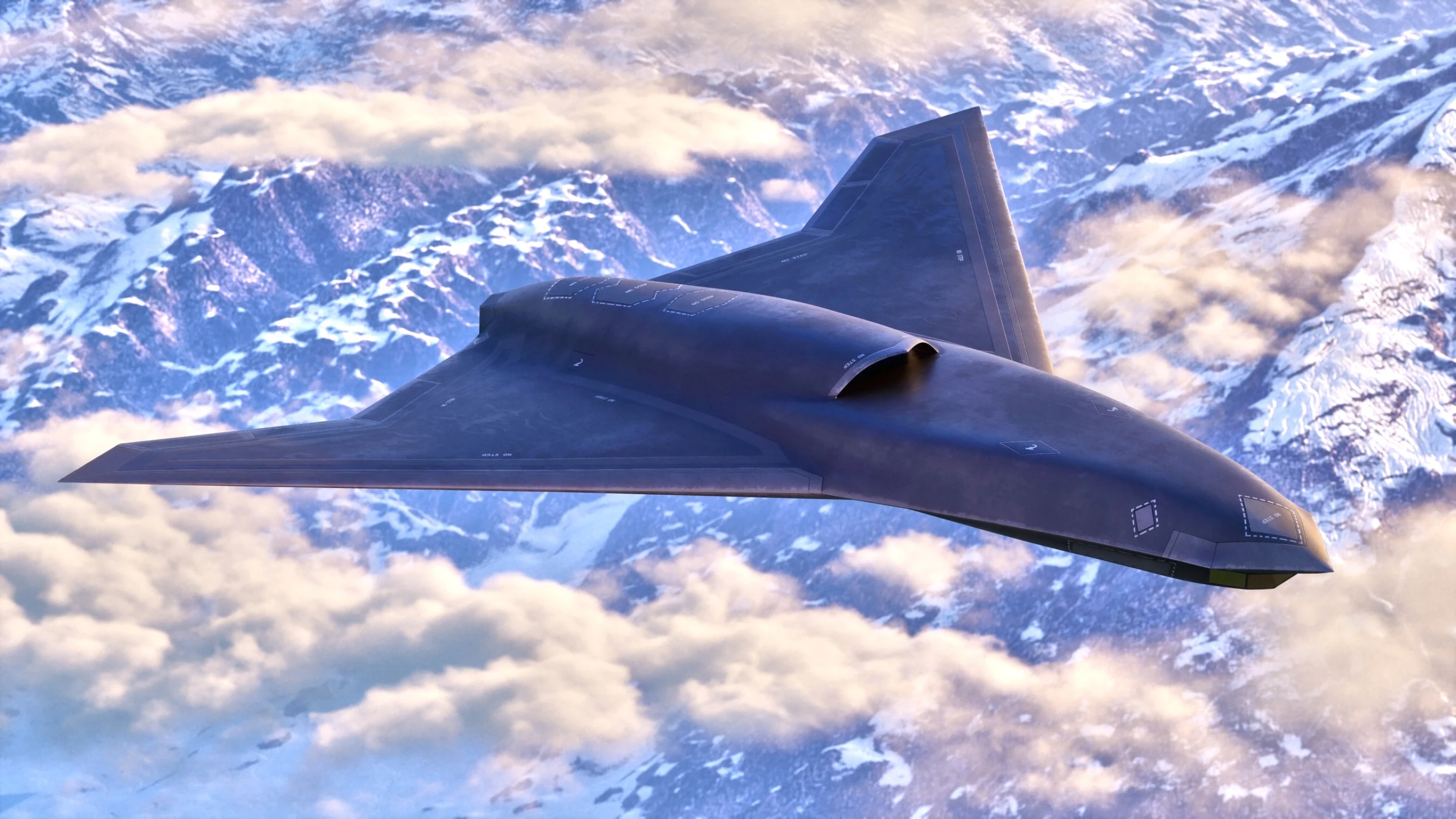
The engine air intake also adopts a very special layout. Vectis installs the air inlet on the top of the fuselage and adopts a deep sunken design so that the air inlet is almost integrated with the surface of the fuselage. An S-shaped channel is also used inside the air intake to prevent ground radar from directly seeing highly reflective components such as the engine compressor, while reducing the risk of exposure of engine thermal signals and radar signatures.
Previously published concept drawings did not fully reflect this air inlet structure. Lockheed Martin stated that this was actually not a design that was temporarily added later, but a plan that Vectis had already determined from the initial stage of the project, but the previously public renderings and scale models were not fully displayed.
In terms of weapons, Vectis uses an internal bomb bay design in the belly of the aircraft instead of hanging weapons directly on the wings or outside the fuselage. This prevents external weapons from destroying the aircraft's stealth appearance, while allowing for rapid replacement of mission loads according to different missions. The latest publicity footage also shows Vectis launching AIM-120 air-to-air missiles from its internal bomb bay and dropping GBU-53 small diameter bomb II, indicating that it at least has the potential to perform air combat and ground attack missions.
Lockheed Martin has previously positioned Vectis as a multi-purpose unmanned combat platform that can undertake tasks such as precision strike, intelligence, surveillance, reconnaissance and target designation, electronic warfare, and offensive and defensive air control. It can perform tasks independently or serve as a "loyal wingman" for manned fighter jets, operating in conjunction with manned aircraft.
In terms of size, Lockheed Martin's current data is that the aircraft is about 34 feet long, which is about 10 meters, and its wingspan is about 38 feet, which is about 12 meters. This size has significantly exceeded that of a small UAV in the general sense and is closer to a large combat aircraft. Vectis uses a single turbofan engine, and its top speed is in the subsonic range.
However, Lockheed Martin still has not announced the specific engine model, nor has it disclosed key performance parameters such as top speed, combat radius, ceiling, and maximum take-off weight. This data may gradually become public as prototypes are tested.
Although Vectis is not small in size, Lockheed Martin emphasized that its design goal is to enable the aircraft to operate in conjunction with the fifth-generation F-35 "Lightning II" fighter jets and future sixth-generation fighter jets. Its range and endurance also need to meet the needs of different combat areas such as the Indo-Pacific, Europe and the U.S. Central Command, so it is not a short-range UAV that can only operate near the front line.
Vectis also adopts a modular and open architecture design, allowing mission systems, sensors and weapons to be adjusted and upgraded according to different user needs. This approach can reduce subsequent modification costs and prevent aircraft from being tied to a single supplier's proprietary system for a long time during service.
Lockheed Martin’s sudden expansion of the number of Vectis prototypes also reflects that the company is accelerating the development of this project. Compared with building just one demonstrator aircraft, having five development aircraft at the same time allows the engineering team to test different systems in parallel and accumulate flight data faster. If the project progresses smoothly, the test cycle after the first flight is also expected to be significantly shortened.
The current positioning of Vectis also reflects a change in the development direction of the United States' next-generation unmanned combat aircraft. Previously, the first phase of the U.S. Air Force's CCA project emphasized low-cost and large-scale procurement, while the Vectis publicly displayed by Lockheed Martin this time puts more emphasis on stealth, survivability, modularity, and the ability to cooperate with manned fighter jets.
However, Lockheed Martin has not announced the final purchase price of Vectis, nor has it determined the final production quantity. The specific needs of the U.S. Air Force’s future second-phase CCA project may still affect Vectis’ final design choices. Therefore, the aircraft currently on display should be viewed more as a rapidly evolving research and development platform rather than a production model with final specifications.
If Vectis can complete its first flight by the end of 2027 as currently planned, it will enter a more intensive flight test phase in the next few years. As the number of prototypes increases, the outside world is also expected to gradually learn about the actual capabilities of this long-mysterious unmanned wingman in terms of range, speed, weapon mounting, autonomous operations, and coordinated operations with manned fighter jets such as the F-35.
Comments