
Abstract:
A genetically modified virus stopped the growth and spread of tumors in three pancreatic cancer patients in an early clinical trial in the United States, bringing new hope for the treatment of this extremely lethal cancer. However, the researchers emphasized that larger trials are still needed to verify its efficacy and safety.
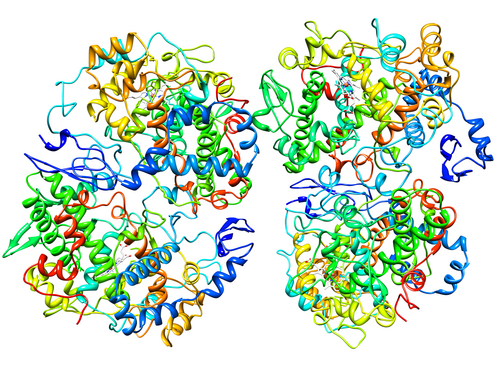
This viral therapy, led by Masato Yamamoto of the University of Minnesota, uses a modified adenovirus. It can only replicate after being activated by an enzyme called cyclooxygenase-2 (COX-2), which is present in much higher amounts in cancer cells than in normal cells. After the virus enters the cancer cells, it will continue to replicate, eventually causing the cancer cells to rupture and die, and release new viruses to continue to infect surrounding cancer cells.
In the trial, researchers injected the virus directly into tumors in patients' pancreas through an endoscope. The endoscope is inserted into the body through the patient's mouth and has an ultrasound probe at the end, allowing doctors to accurately locate tumors. The first patient received the treatment a year ago, and two other patients subsequently received the injection. At that time, the tumors in the three men had not spread beyond the pancreas. After treatment, none of their tumors continued to grow, and all three are still alive and their conditions are clinically stable.
Yamamoto said that this trial only used one-tenth of the final target dose, so the efficacy exceeded expectations, especially considering that pancreatic cancer is often extremely difficult to treat. He believes that the fact that the tumors have not yet shrunk may be related to the lower dose; as the virus has more time to replicate, the tumors may start to shrink. He also noted that when cancer cells rupture and release their contents, the immune system may be able to recognize and attack the cancer, or even eliminate cancer cells that have spread to other parts of the body. If this is confirmed, the therapy may also be effective in metastatic pancreatic cancer.
Pancreatic cancer is difficult to treat because, on the one hand, symptoms often appear late, and by the time it is diagnosed, the cancer has often spread and cannot be surgically removed; patients usually only survive about three to six months after diagnosis. Pancreatic tumors, on the other hand, have a hard, fibrotic shell that blocks the entry of chemotherapy drugs and has been described as "hard as a hockey puck." At the same time, such tumors can also evade attack by the immune system, making it difficult for conventional immunotherapy to work.
The research team plans to combine this viral therapy with immunotherapies such as checkpoint inhibitors in future clinical trials. This type of drug can relieve the suppression of the immune system by cancer cells and is expected to enhance the body's immune attack on tumors.
Adenoviruses, which cause cold- or flu-like symptoms, have long been studied for cancer treatment. As early as the 1950s, there were clinical trials in which unmodified adenovirus was injected into cervical cancer patients and achieved partial results. But later it was realized that in order to balance safety and efficacy, adenovirus must be modified to selectively attack cancer cells.
Currently, the only oncolytic virus therapy approved by the U.S. Food and Drug Administration is T-VEC, a genetically modified herpes simplex virus that can be injected directly into melanoma tumors to cause cancer cells to rupture and die.
Kay Brown, a pancreatic surgeon at Sydney's Royal North Shore Hospital, said it was an early sign worth paying attention to, but caution should be exercised. He noted that the history of oncology has been marked by many seemingly promising early results that failed to carry over in rigorous phase III clinical trials. Since this trial has not yet set up a control group, it is currently difficult to judge whether this viral therapy is better than other treatments or whether it is better than no treatment. He suggested viewing the results of this preliminary meeting as "a clue that could lead to hypotheses" rather than as established evidence of efficacy.
Next, another 15 patients will receive higher doses of viral treatment to determine the optimal dose. The researchers hope that this early result can be tested in subsequent larger and more rigorous trials.
Comments