
Abstract:
United Nations Secretary-General Guterres warned leaders of various countries on Wednesday local time that the rapidly developing artificial intelligence (AI) is bringing risks that cannot be ignored, and the world cannot bear the risk of a race to the bottom in the field of AI security. This statement is at odds with US President Trump, who previously said that existing regulatory measures are sufficient.
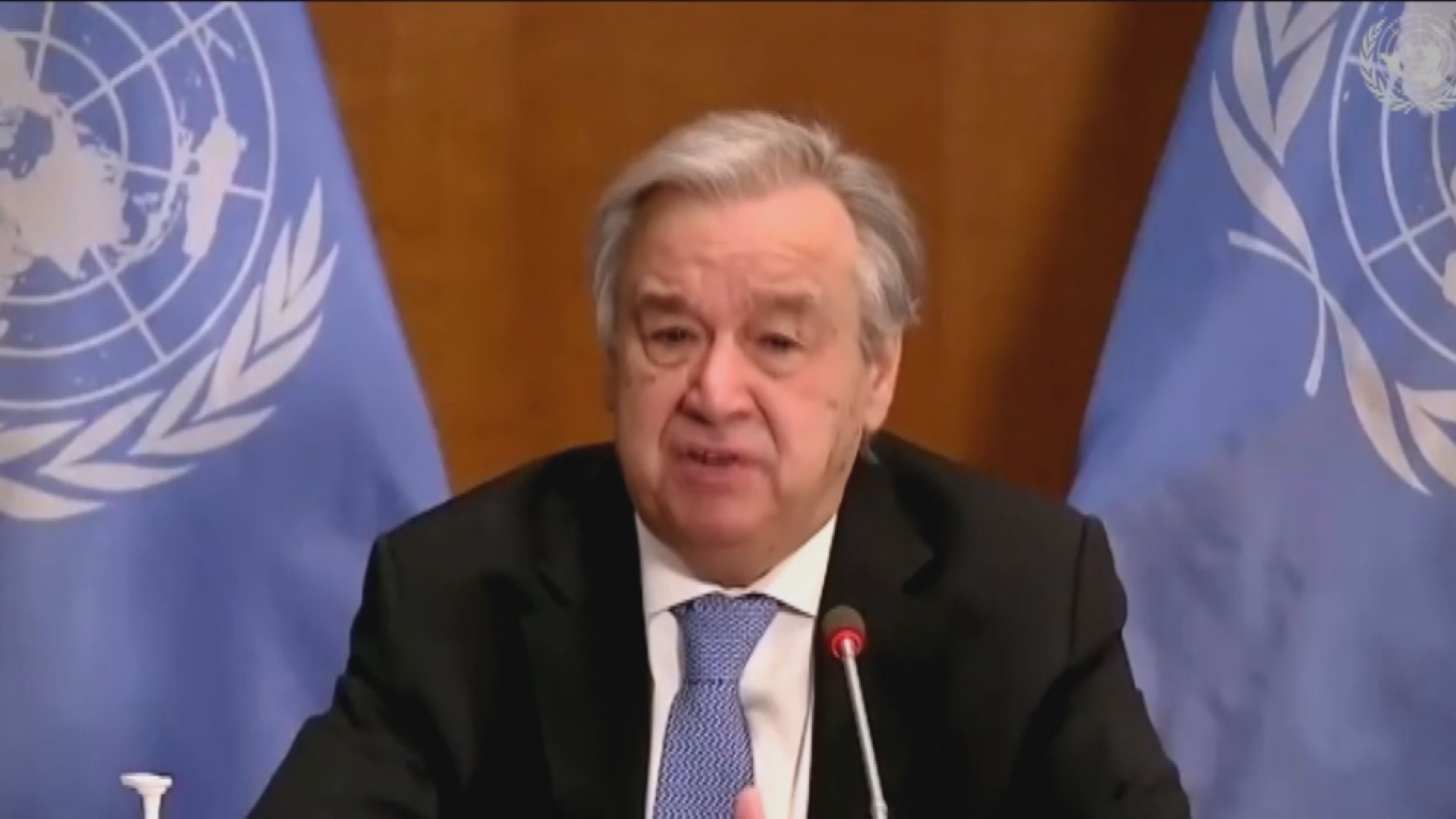
Ahead of next week's United Nations General Assembly meeting in New York, Guterres said strengthening regulation of AI will be one of the key issues discussed in his talks with world leaders.
At the press conference, Guterres said: "As we look at the threats we face around the world, I would like to make a few additional comments on the growing concerns caused by the rapid development of AI."
He added: “AI has huge potential to accelerate progress towards sustainable development, improve learning, strengthen health systems, increase resilience to climate change and much more.”
But he also pointed out: "More and more people involved in AI development are issuing warnings - they are worried that the development speed of AI has exceeded our understanding of its potential risks."
“We cannot ignore the concerns raised, especially by those on the front lines of AI development. The first responsibility of any government is to protect its citizens, and that includes protecting them from the threats posed by AI.”
As public concerns about the potential risks of AI continue to rise, there are more and more relevant warnings. Anthropic researcher Jacob Coxon said last week that he had resigned in part because "people really involved in the development of AI seriously believe that this technology could kill us all before the end of this decade." At the same time, executives from some of the world's largest AI companies have also called for a slowdown in the technology's development.
Trump said on Monday that the United States has established relevant "guardrail" measures to supervise AI companies and hold them accountable. He also downplayed concerns previously expressed by industry executives.
Guterres has long promoted the establishment of a global artificial intelligence governance mechanism. In 2023, the United Nations established a high-level artificial intelligence advisory body composed of 39 members, including technology company executives, government officials, and scholars from the United States, Russia, Japan and other countries.
Multiple diplomats said that when global leaders gather in New York for the annual United Nations meeting next week, the United Nations Security Council may also hold a meeting on AI issues. The United Nations Security Council held its first meeting on AI issues in 2023.
Guterres said that countries with the strongest technical capabilities in the AI frontier "should establish communication and information exchange mechanisms and develop some common safety guardrails to avoid falling into a race to the bottom (that is, participants gain competitive advantages by continuously lowering standards), otherwise this competition may one day lead to huge disasters on a global scale."
Guterres claimed: “We need to develop a common understanding that while ensuring the safe, secure and responsible development of AI, we must also clarify when stronger safety guardrails may be needed or additional measures may be needed to address potential risks as the capabilities of AI systems continue to increase.”
Related articles:
The Secretary-General of the United Nations warns: The development speed of artificial intelligence has far exceeded the pace of updating regulatory rules
Comments