
Abstract:
A new study led by researchers at the Haas School of Business at the University of California, Berkeley, finds that even brief use of artificial intelligence tools can have an immediate impact on people's mental states as they solve difficult problems. Research shows that interacting with AI for just 10 minutes may reduce an individual's willingness to persist and effort when faced with subsequent challenging tasks.
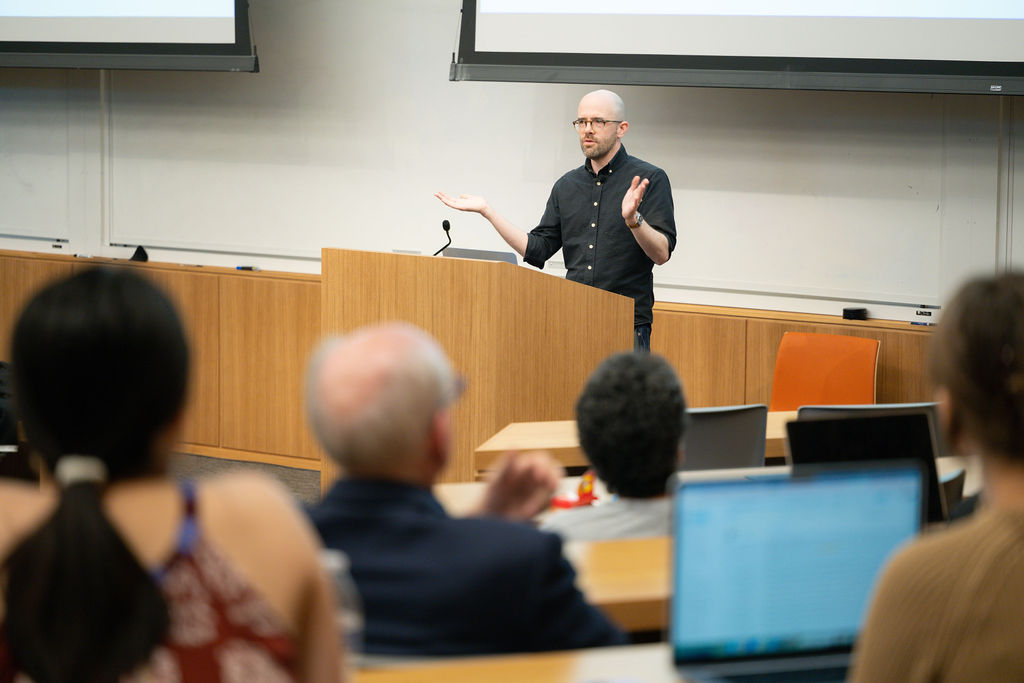
Research leader Juliana Schroeder, associate professor at the Haas School of Business at the University of California, Berkeley, and her team conducted a series of experiments to explore the impact of generative artificial intelligence on human "grit" and continued investment. The researchers focused on one question in particular: As people increasingly turn over complex tasks to AI, whether this convenience will change the way they behave when faced with difficulties.
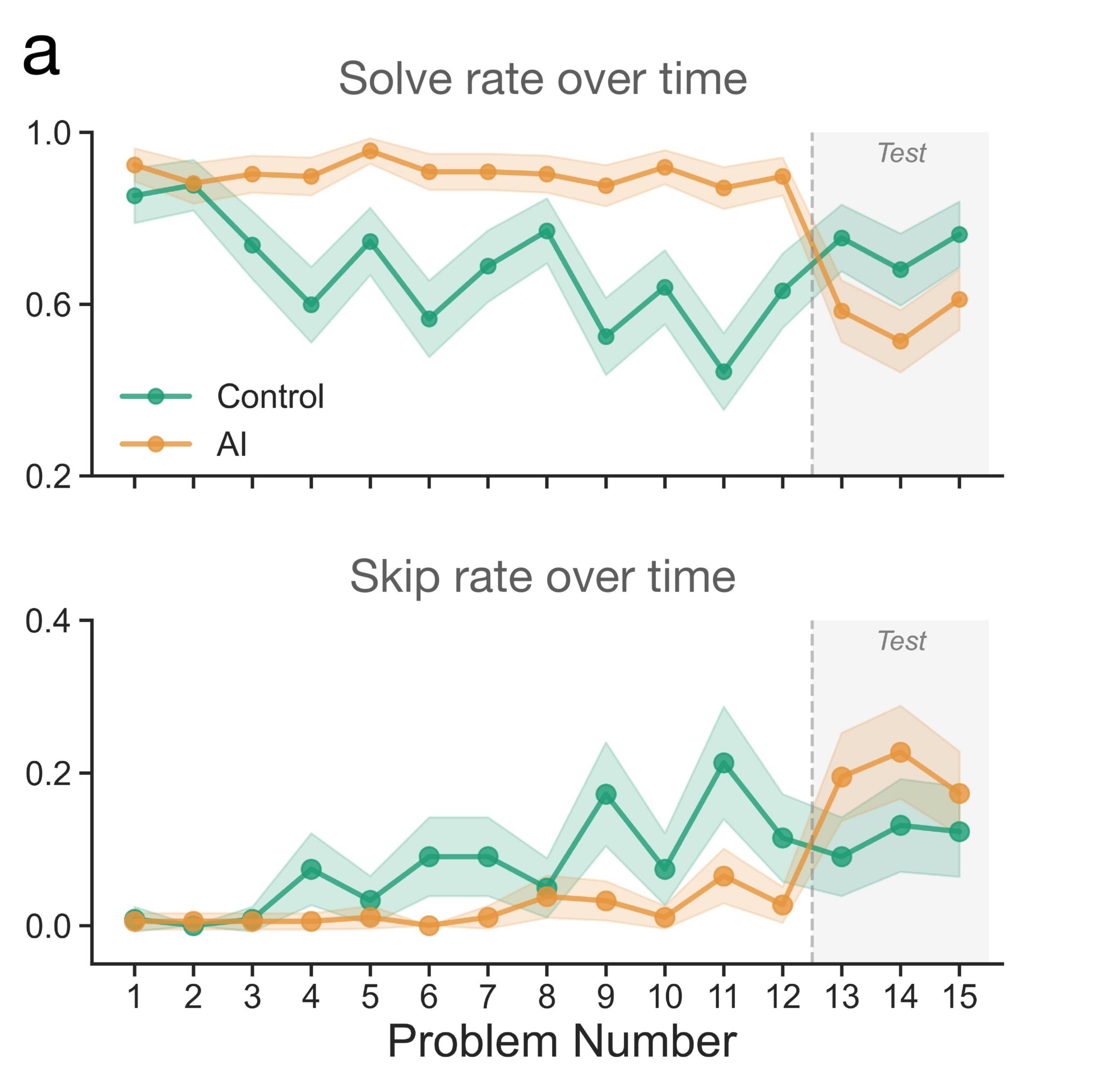
In the experiment, participants first completed tasks related to artificial intelligence. Some of them use generative AI tools like ChatGPT, while others accomplish the same job through traditional means. All participants were then challenged to face a series of challenging tasks that required sustained focus and commitment to progress.
Research results show that participants who were exposed to artificial intelligence tools were more likely to give up on difficult problems and were more likely to stop trying when they encountered obstacles. In contrast, those participants who did not use AI generally showed higher levels of persistence and patience. The research team found that this effect does not need to accumulate over a long period of time. Even if it is only about 10 minutes of AI use experience, significant differences can be observed in subsequent tasks.
The researchers pointed out that this phenomenon does not mean that artificial intelligence itself is harmful, but reveals an underlying psychological mechanism. When AI can quickly provide answers, complete writing, or solve problems, people may gradually adapt to "low-friction" completion methods. When subsequently faced with tasks for which solutions are not immediately available, they are more likely to feel frustrated and less willing to continue investing.
The research team compared this phenomenon to behavioral changes brought about by other automated tools in modern society. For example, navigation software may weaken people's ability to find routes independently, calculators reduce the need for mental arithmetic, and generative AI may reduce people's motivation to actively persist in thinking and solving complex problems.
However, the researchers also emphasized that this does not mean that the use of artificial intelligence should be stopped. AI can significantly improve productivity and is of great value in education, scientific research and business. The real question is how to use the technology, not whether.
Schroeder said people need to realize that improving efficiency and building capabilities are not always completely consistent. When AI takes over more and more cognitive tasks instead of humans, society needs to think about how to maintain the ability to solve difficult problems and how to continue to cultivate the quality of perseverance in the face of challenges.
The research team believes that future discussions about the impact of artificial intelligence should not only focus on accuracy, productivity, or economic value, but should also delve into its long-term impact on human behavior, motivation, and psychological habits. As generative AI becomes part of everyday work and learning, understanding these potential impacts will become increasingly important for educational institutions, businesses, and individuals alike.
The researchers finally pointed out that the current research mainly reveals short-term behavioral changes after the use of AI. Larger-scale and longer-term research is needed in the future to determine whether this effect will persist and whether different usage methods will produce different levels of effects.
Comments