
Abstract:
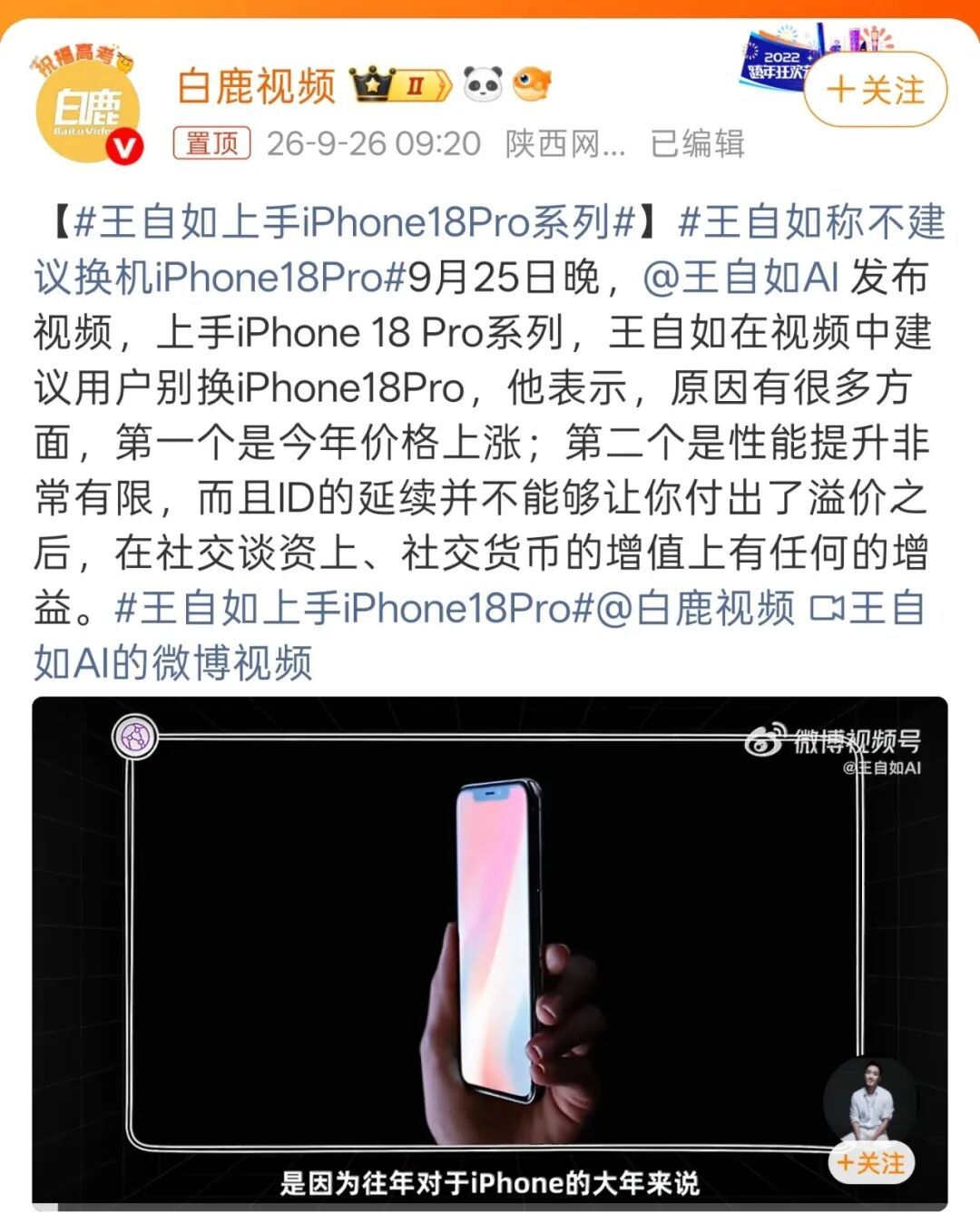
In the news on September 27, Wang Ziru once again stood at the center of public opinion. This time it’s not because of ZEALER, nor because of Gree, but a hands-on video about iPhone 18 Pro. On the evening of September 25, he released his conclusion on his experience with the iPhone 18 Pro series. He gave a qualitative statement at the beginning: This year is a very typical small year for Pro. Then there was a more direct warning to quit - you'd better not change.

This is not the first time Wang Ziru has expressed controversial views, but this time, he hit a subtle point. The iPhone 18 Pro series has just gone on sale, but prices have loosened through third-party channels, with the 256GB version falling below the official website price. At this point in time, a former digital KOL’s public dissuasion to quit has more dissemination power than any comments.
Three reasons and one conclusion to persuade iPhone 18 Pro to be dismissed
There are three core reasons given by Wang Ziru:
First, performance improvement is limited. The A20 Pro chip is indeed the biggest improvement in the past five years, but he changed the subject - "big improvement" and "you should buy it first" are two different things.
Second, the ID design continues, and the appearance changes are not enough to form social recognition.
Third, the selling price has been raised and the price-performance ratio has been further compressed.
Each of these three reasons points to the same conclusion: iPhone 18 Pro is not a product that "must be replaced".
But the question is, are these reasons valid?
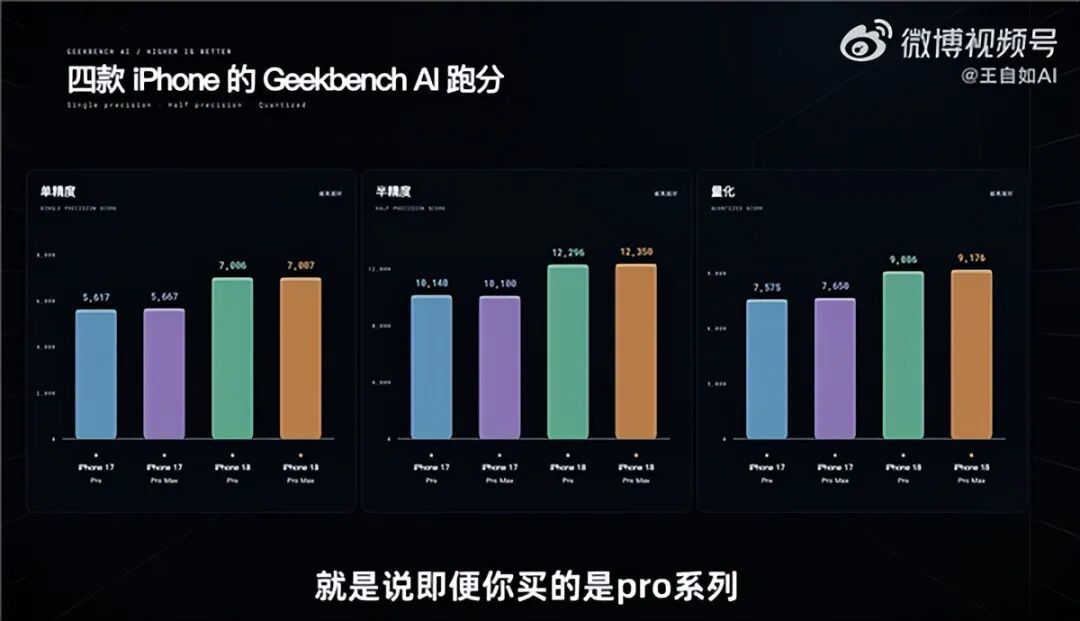
From a performance perspective, the upgrade of the A20 Pro is indeed considerable. According to actual measurement data from multiple evaluation agencies, the CPU and GPU performance have been significantly improved compared to the A17 Pro, and the AI computing power has doubled. But Wang Ziru's argument is not that "upgrade does not exist", but that "upgrade does not constitute a reason to change the machine." For iPhone 17 Pro users, this improvement is indeed difficult to perceive. The smoothness of daily use, the speed of taking photos, and the frame rate of games will not change qualitatively due to changing the phone.
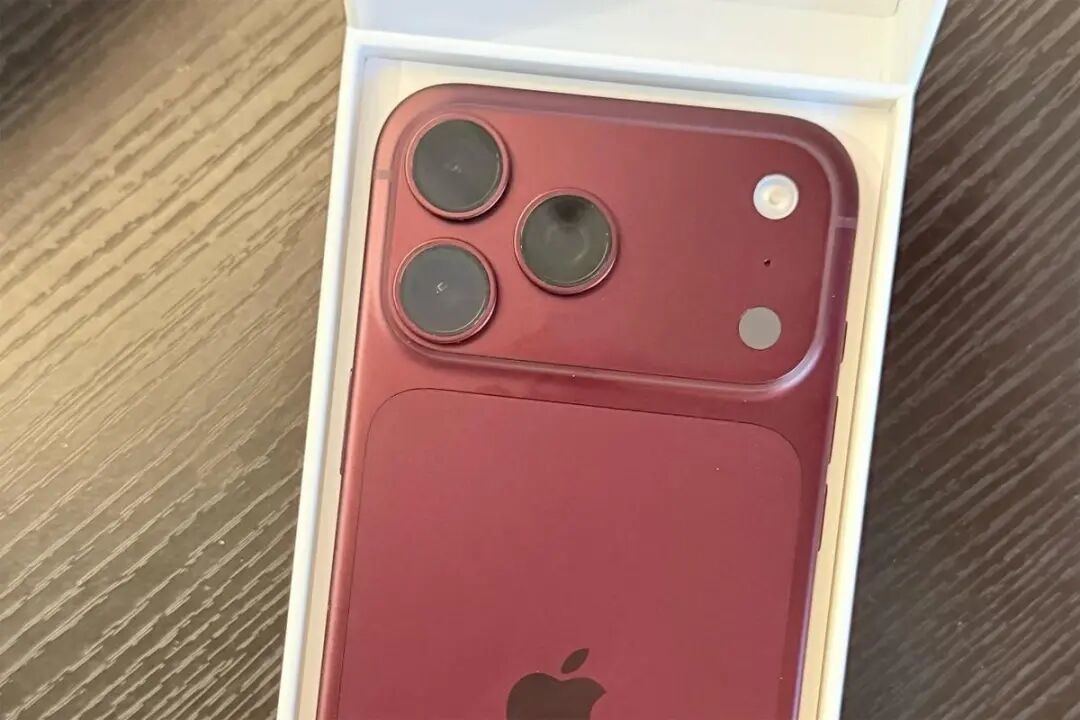
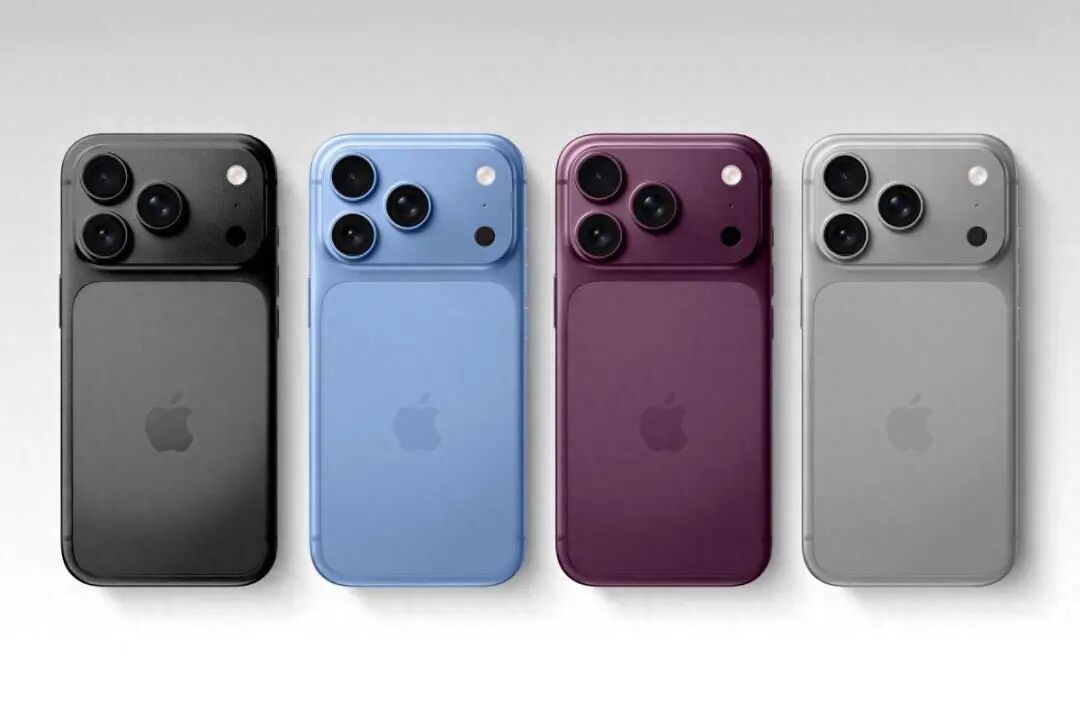
From a design perspective, iPhone 18 Pro continues the overall ID language of 17 Pro. Smart island, right-angled frame, titanium material, these elements have not changed essentially. For users who pursue "let others know that I have a new phone", this design continuation does lack recognition.
From the price perspective, this is the most convincing part. The price of the iPhone 18 Pro series has been increased, but prices have loosened in third-party channels in the early stages of sales. This phenomenon of "inflated offering price and plummeting channel price" shows that the market has limited recognition of this product.
"Little Years": Apple's iteration strategy, users' replacement trap
Wang Ziru used one word to sum up iPhone 18 Pro - "Little Year". This word has a specific meaning in the digital circle, referring to product iterations with limited upgrades and focusing on optimization and fine-tuning.
Apple’s iteration strategy has always been divided into years. New Year products are usually accompanied by major design changes or technological breakthroughs, such as the full screen of iPhone X and the Smart Island of iPhone 14 Pro. Xiaonian products are more conventional upgrades, such as chip replacement, camera fine-tuning, and battery life optimization.

What kind of iPhone 18 Pro does it belong to? Judging from the hardware parameters, it does have a good foundation. A20 Pro chip, new imaging system, larger battery capacity. But from the perspective of user experience, these upgrades lack sufficient perception. For most users, the iPhone 17 Pro is good enough, so good that it is difficult to notice the improvement of the 18 Pro.
This is the subtlety of Apple's iteration strategy, and it is also a trap for users to switch phones. By releasing products year after year, Apple has created a kind of anxiety of "if you don't change, you will fall behind." But the reality is that the technological progress of smartphones has entered a plateau period, and the differences between each generation of products are getting smaller and smaller.
Wang Ziru’s persuasion to retreat was to combat this anxiety. He told users: Your mobile phone is still useful enough, and there is no need to replace it for a "new one".
Channel prices plunge, the market votes with its feet
What is more convincing than Wang Ziru’s advice is the market’s reaction.
After the iPhone 18 Pro series went on sale, prices quickly eased through third-party channels. The 256GB version has dropped below the official website price, and some channels have even dropped hundreds of yuan
. This phenomenon was not common in previous years. Usually new iPhones will maintain a premium for a period of time during the initial launch period, and the price will gradually fall after supply and demand are balanced.But iPhone 18 Pro is different. It broke after it went on sale, which shows that channel dealers have insufficient confidence in this product. With oversupply and weak demand, prices will naturally not be able to hold up.
Behind this phenomenon is consumers’ re-understanding of smartphone replacement cycles. According to data from multiple market research institutions, the average replacement cycle of global smartphones has extended to 3-4 years. In the Chinese market, this cycle is even longer. Users no longer pursue replacement every year, but evaluate the "replacement value" more rationally.
The pricing strategy of iPhone 18 Pro obviously does not take this change into full consideration. In the context of consumers becoming more and more budget-conscious, it is difficult for a product with "limited improvements and increased prices" to receive a warm response from the market.
Motivation Debate: Sincere Persuasion or Gaining Traffic
Every time Wang Ziru expresses controversial views, someone will always question his motives. This time is no exception. Some people think he is sincerely trying to persuade him to quit, while others think he is trying to gain traffic.
Judging from the video content, Wang Ziru’s arguments are supported by data and logically consistent. He didn't simply say "don't buy it", but gave specific reasons and analysis. This method of argument at least shows that he has done his homework.
But on the other hand, Wang Ziru does need traffic. After leaving ZEALER, his influence was not as good as before. The Gree incident put him under tremendous pressure from public opinion. In this context, a video of "persuading people to quit their iPhones" can not only attract attention, but also create a persona that "dare to tell the truth". Why not?
The crux of the matter is whether we need to dwell on his motives. Whether he is sincerely persuading or trying to attract traffic, and whether his point of view itself is valuable, is the more important criterion.
From this perspective, Wang Ziru’s persuasion to retreat does have its value. In a consumerist environment filled with "buy, buy, buy", a public figure publicly saying "don't buy" is a rare voice. Even if his motives are impure, the voice is worth listening to.
Write it at the end
Wang Ziru’s persuasion to quit triggered a deeper discussion: Why do we change our mobile phones?
In the past ten years, the logic of smartphone replacement has been simple: the new phone is faster, better, and cooler, so I want to switch. But as technological progress slows, this logic no longer holds true. The new phones are indeed faster, but not by much; they are indeed better, but not by much; they are indeed cooler, but by no means cool.
In this context, replacement value needs to be redefined. It is no longer about replacing for "new", but for "needs". Is your phone stuck? Is the battery dead? Not enough storage? If the answer is no, then the need for replacement is questionable.
The release of iPhone 18 Pro provides an opportunity to re-examine the value of replacement. It's neither a bad product nor one that must be replaced. It's just a "good but not amazing" product. For Apple, this may be a warning; for users, it is an opportunity to rethink consumption decisions.
Wang Ziru's persuasion to quit reminds us of one thing: in the world of consumerism, "not buying" is also a right and even a kind of wisdom.
Comments